
# Mujtaba Khamenei
Latest news and articles about Mujtaba Khamenei
Total: 12 articles found
Brinkmanship in the Gulf: Trump Pauses Strikes as Tehran Threatens 'New Fronts'
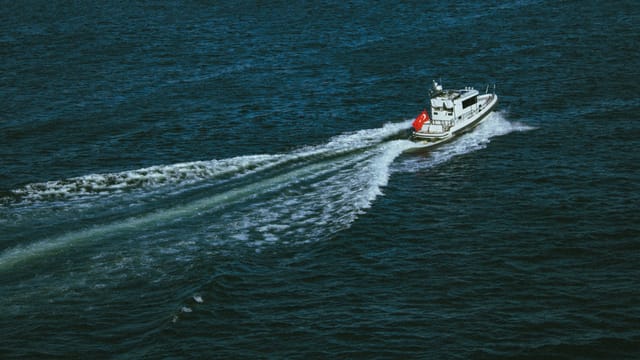
President Trump has temporarily delayed a massive military strike on Iran following pleas from Gulf allies, even as negotiations via Pakistan hit a stalemate. Meanwhile, Tehran is escalating the crisis by asserting regulatory control over subsea cables in the Strait of Hormuz and threatening unconventional 'new fronts' of warfare.

Trump’s 15-Point Peace Gambit: Why Tehran Sees an Ultimatum, Not a Deal
The Trump administration has proposed a 15-point plan to end conflict with Iran, but Tehran has rejected the terms as an unrealistic 'surrender document.' Citing a total collapse of trust and ongoing US military deployments, the Iranian leadership appears prepared for a long-term war of attrition rather than accepting high-stakes concessions.

Iran’s New Supreme Leader Signals Escalation After IRGC Claims to Have Disabled US Carrier — A Region on Edge
Iran’s IRGC says it launched a major round of strikes, claiming the USS Abraham Lincoln was rendered combat‑ineffective, while the newly installed supreme leader, Mujtaba Khamenei, used a televised address to vow revenge, threaten closure of the Strait of Hormuz and press Gulf states to expel U.S. forces. The competing claims and muted U.S. confirmation point to a campaign that blends military action, psychological operations and proxy warfare, raising the risk of prolonged regional disruption and oil‑market shocks.

Iran’s New Supreme Leader Vows Revenge and Threatens Renewed Blockade of the Strait of Hormuz
Mujtaba Khamenei’s first statement as Iran’s supreme leader vows revenge for his predecessor’s killing, renews the threat to blockade the Strait of Hormuz, and urges neighbouring states to close US military bases. The mix of maritime threats, strikes on foreign bases, and economic reprisals raises the probability of regional escalation and immediate disruptions to global energy markets.

Iran’s New Supreme Leader Issues Vow of Revenge and Threatens Strait Closure — What It Means for a Fracturing Region
Mujtaba Khamenei’s inaugural statement as Iran’s new supreme leader framed the country’s response to a U.S.-Israel strike as uncompromising: a vow of revenge, a threat to keep the Strait of Hormuz closed, and continued reliance on the IRGC and regional proxies. The declaration raises the likelihood of prolonged asymmetric conflict, heightens risks to global energy markets, and creates both strategic challenges and limited diplomatic leverage for powers such as China.
China’s Shuttle Diplomacy Intensifies as Four Variables Threaten to Deepen Middle East Crisis
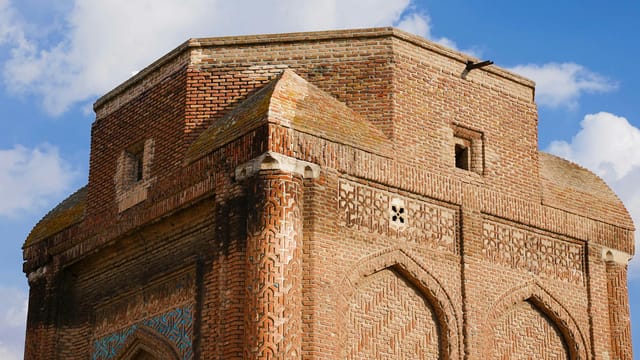
As US-Israel strikes on Iran continue and Tehran expands retaliatory operations, China has intensified shuttle diplomacy to press for de-escalation. Four variables — oil-market shock, Iranian internal cohesion, the success of external mediation, and control of the Strait of Hormuz — will largely determine whether the conflict widens into a global crisis.
Iran’s New Supreme Leader Vows Revenge, Threatens Hormuz Blockade and Calls Neighbours to Close US Bases
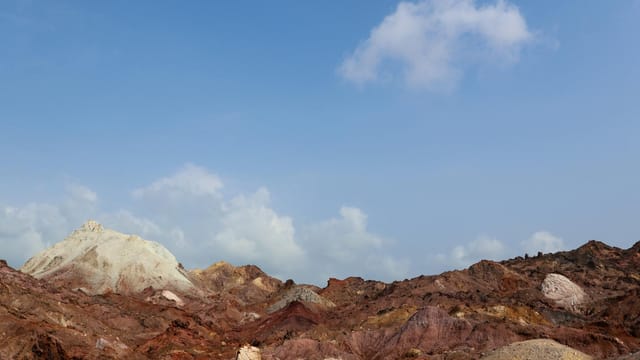
Iran’s new supreme leader, Mujtaba Khamenei, issued his first statement pledging revenge, promising to continue using a blockade of the Strait of Hormuz and urging neighbouring states to close US military bases. The rhetoric follows nearly two weeks of heavy US and Israeli strikes, ballooning military costs and sharp reactions in global energy markets.
Trump Signals Conditional Talks with Iran as U.S. Military Strikes Intensify
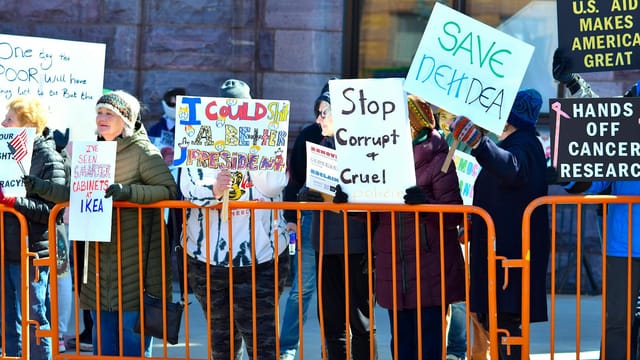
President Trump said conditional talks with Iran are possible, even as the Pentagon announced intensified strikes inside Iran. The mix of public openness to negotiation and simultaneous military pressure creates a risky, potentially ambiguous moment that could either open a narrow path to de‑escalation or exacerbate miscalculation in an already volatile region.
Trump Declares Iran War 'Basically Over' as Oil Markets Whipsaw and Tehran Names New Supreme Leader
President Trump declared the US‑led campaign against Iran "basically over," citing widespread destruction of Iranian military assets after strikes on over 3,000 targets, a claim that coincided with wild swings in Brent crude. Iran named Mujtaba Khamenei as its new supreme leader as the Strait of Hormuz remains closed, keeping energy markets and diplomatic tensions on edge.
Iran’s Experts Assembly Names Mujtaba Khamenei Supreme Leader After Deadly US–Israel Strike
Iran’s Assembly of Experts has elected Mujtaba Khamenei, son of Ali Khamenei, as the country’s third Supreme Leader following a February 28 US–Israeli airstrike that Iranian authorities say killed the sitting leader. Mujtaba’s IRGC background and seminary training point to a likely continuity of hardline, security-first policies, but the rapid transition raises questions about legitimacy, elite cohesion and regional escalation risks.
‘Black Monday’ in Asia as Iran’s Hardline Turn Sparks Oil Surge and Market Rout
Asian stocks tumbled sharply and global oil prices spiked after Iran’s clerical body selected Mujtaba Khamenei as supreme leader and Tehran vowed further strikes. The immediate market reaction—circuit breakers in Korea, steep falls in Japan and Hong Kong, and a near‑30% jump in WTI—reflects fears that the conflict will prolong disruption to the Strait of Hormuz and global oil supplies.
Wartime Succession: Mujtaba Khamenei Installed as Iran’s Supreme Leader, Deepening Regional Risk
Mujtaba Khamenei, son of the slain Ali Khamenei, was confirmed as Iran’s supreme leader in a rapid, wartime succession backed by the IRGC. His appointment blends family legitimacy with military backing, raising the likelihood of near-term escalation while creating a long-term legitimacy crisis for the Islamic Republic.