
# Neuralink
Latest news and articles about Neuralink
Total: 7 articles found
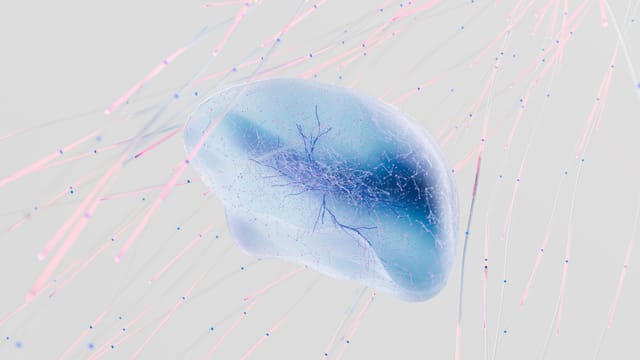
The Neuralink Dream vs. The EEG Reality: Neuracle’s Bid to Become China’s First BCI Stock
Neuracle Technology is seeking a landmark IPO on Shanghai's STAR Market, leveraging its status as a pioneer in invasive brain-computer interfaces. However, the company remains unprofitable and currently relies almost entirely on sales of traditional EEG machines, as its frontier BCI technology faces a long and uncertain path to commercialization.

Mapping the Inner Frontier: Neuralink’s Deep-Brain Robotic Ambitions
Neuralink is developing a specialized surgical robot capable of reaching deep-brain regions beyond the motor cortex. This move signals a shift toward treating complex neurological disorders and positions the company as a major contender in deep-brain medical intervention.
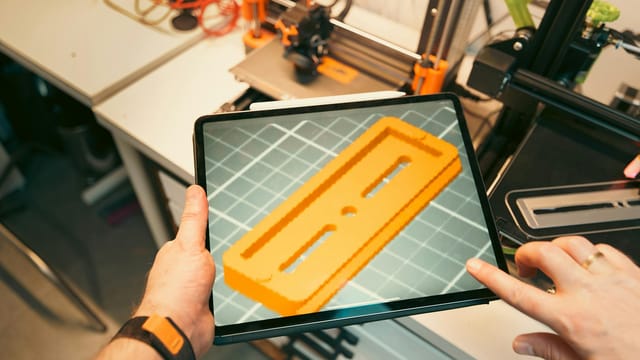
The Pig Paradigm: How Ultrasound 3D Printing is Breaking the Brain-Computer Barrier
Researchers in Shenzhen have pioneered a technique using ultrasound to 3D print electrodes inside a pig's scalp, allowing for high-fidelity brainwave capture without invasive surgery. This approach leverages the cost-effectiveness and biological similarities of pigs to humans, potentially disrupting the billion-dollar EEG market.
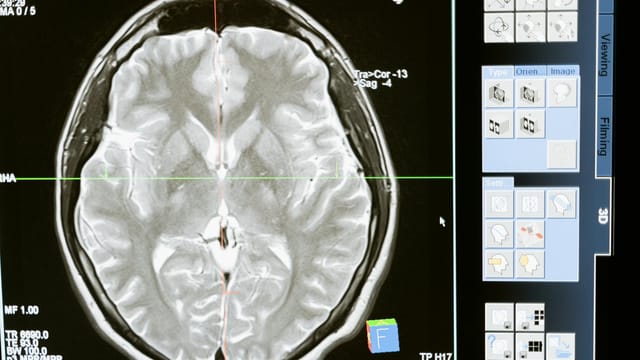
Alibaba and Tencent Back Chinese Brain‑Computer Start‑up as It Eyes 40 Clinical Implants This Year
Shanghai’s Jieti Medical has raised RMB 500 million in a strategic round led by Alibaba, with Tencent among returning investors, and has accelerated clinical work including a domestic first 256‑channel implant. The company plans a large multi‑centre registration trial targeting about 40 implants in 2026, signalling China’s push to move brain–computer interfaces from lab to clinic quickly.
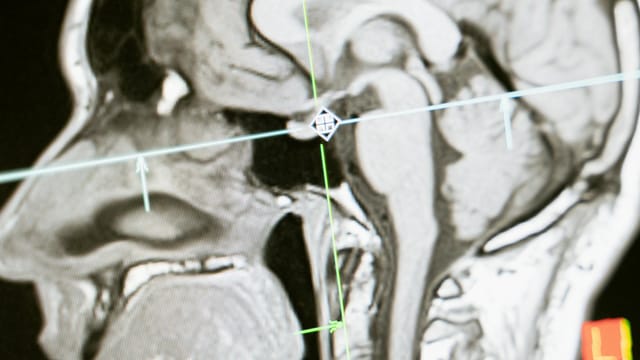
How Shanghai Became the World’s First Hotbed for Clinical Brain‑Computer Interfaces
Shanghai has emerged as a global leader in bringing brain‑computer interfaces from the lab to the clinic after BoruiKang secured the world’s first Class‑III approval for an implantable BCI. The city’s dense industrial ecosystem, top hospitals and supportive policy are accelerating commercial launches, raising competitive, regulatory and ethical questions as China seeks to scale the nascent industry.

From Restoring Sight to 'Consciousness Machines': Neuralink Co‑founder Says BCI Is Entering a Takeoff Era — and Predicts Humans May Live to 1,000
A retinal implant developed by Max Hodak’s company Science has reportedly restored coherent visual percepts in more than 40 blind patients and published results in the New England Journal of Medicine. Hodak frames this clinical success as the start of a BCI "takeoff era," outlining ambitious plans for biohybrid implants, deep AI–neuroscience convergence, and even radical longevity claims that the first 1,000‑year humans may already be alive.

Musk Says Next‑Gen Neuralink Will Triple Performance and Aim to Restore Low‑Resolution Vision for the Blind
Elon Musk announced that Neuralink's next‑generation brain–computer interface will offer about three times the performance of the current system and plans to introduce a blind‑vision enhancement for totally blind people pending regulatory approval. The device aims to provide low‑resolution visual percepts, but technical, safety and regulatory challenges mean clinical validation and widespread use will take time.