
# Nuclear%20Diplomacy
Latest news and articles about Nuclear%20Diplomacy
Total: 35 articles found
The Islamabad Gambit: Inside the Fragile Brinkmanship of a New US-Iran Peace
High-level negotiations in Islamabad between the U.S. and Iran have reached a tentative impasse following a 40-day conflict. While a ceasefire remains in effect, fundamental disagreements over the Strait of Hormuz transit fees and nuclear enrichment limits threaten to derail the diplomatic process.

The Dual-Track Paradox: Washington and Tehran Pivot to a 'Fight While Talk' Doctrine
The U.S. and Iran appear poised to enter a new phase of negotiations defined by a 'fight-and-talk' strategy, where diplomatic efforts coexist with ongoing regional military and economic pressure. This model aims to manage friction rather than resolve it, as both nations seek to maintain leverage while avoiding a full-scale confrontation.
The Islamabad Pivot: Why a Failed US-Iran Summit is Being Rebranded as a 'Process'
Recent US-Iran negotiations in Islamabad ended without a breakthrough, yet Iranian officials are framing the encounter as the start of a sustained diplomatic process rather than a failure. While fundamental disagreements over nuclear issues and 'unreasonable demands' persist, the professional tone of the meeting suggests a mutual interest in maintaining a functional communication channel.

The Islamabad Impasse: Why 20 Hours of U.S.-Iran Talks Failed to Break the Cycle of Contempt
A high-stakes, 20-hour diplomatic marathon in Islamabad between U.S. and Iranian officials ended in deadlock due to a profound lack of mutual trust. Despite domestic pressures on the U.S. to stabilize oil prices, the two sides remain fundamentally divided over regional proxies, asset unfreezing, and military posture.
The Islamabad Impasse: Vance’s High-Stakes Diplomacy Fails to Break the Iran Deadlock
A historic, 21-hour face-to-face negotiation in Islamabad between Vice President J.D. Vance and a senior Iranian delegation has failed to produce a ceasefire or nuclear agreement. The stalemate underscores deep-seated mistrust and leaves the region's security in a fragile state as the Trump administration continues its 'maximum pressure' campaign.
Deadlock in Islamabad: The Fragile Failure of Direct US-Iran Diplomacy
Historic face-to-face negotiations between US Vice President Vance and Iranian Speaker Qalibaf ended without an agreement after 21 hours in Pakistan. Despite the diplomatic contact, fundamental disputes over nuclear enrichment and control of the Strait of Hormuz continue to block a strategic breakthrough.
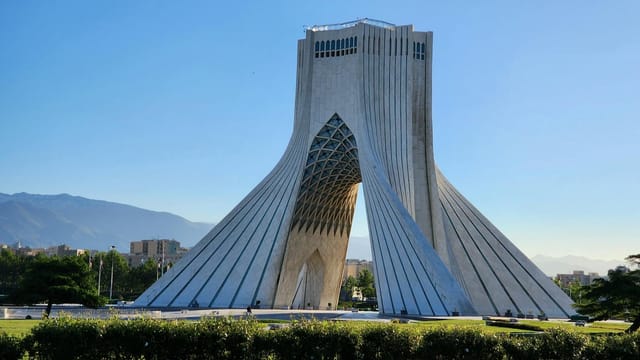
Ball in Washington’s Court: Pezeshkian and Macron Signal Pivot Point in Nuclear Diplomacy
Iranian President Pezeshkian informed French President Macron that the future of international negotiations hinges on U.S. policy shifts, while Macron urged for a ceasefire in Lebanon. The call highlights France's ongoing role as a mediator and Tehran's strategy of placing the burden of diplomatic success on Washington.
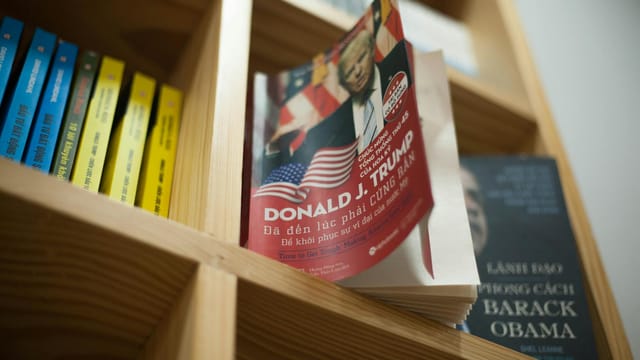
Hormuz Brinkmanship: Trump Demands Reopening of Key Waterway Amid High-Stakes Islamabad Talks
President Trump has issued an ultimatum for the reopening of the Strait of Hormuz, asserting that the waterway will be cleared with or without Iranian cooperation. As Vice President J.D. Vance prepares for negotiations in Islamabad, the U.S. has identified the permanent termination of Iran's nuclear program as the non-negotiable core of any future deal.

Macron Distances France from US-Israel 'Unrealistic' Military Push in Hormuz
President Emmanuel Macron has dismissed the possibility of a military solution to the Strait of Hormuz crisis, labeling such efforts unrealistic. He explicitly distanced France from the unilateral actions of the United States and Israel, warning that Paris will not provide support for a conflict it did not authorize.

Trump’s 15-Point Peace Gambit: Why Tehran Sees an Ultimatum, Not a Deal
The Trump administration has proposed a 15-point plan to end conflict with Iran, but Tehran has rejected the terms as an unrealistic 'surrender document.' Citing a total collapse of trust and ongoing US military deployments, the Iranian leadership appears prepared for a long-term war of attrition rather than accepting high-stakes concessions.
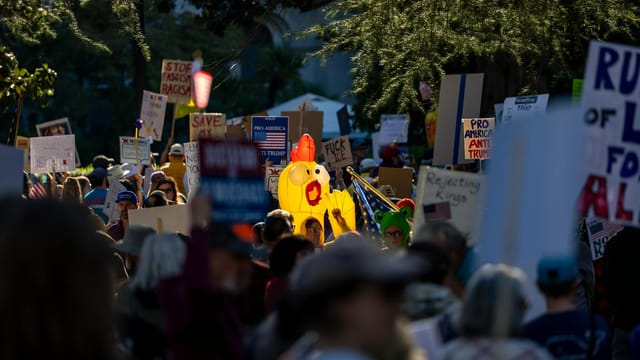
The Art of the Persian Deal: Trump’s High-Stakes Backchannel to Tehran
The Trump administration has reportedly opened secret backchannels with Iran via Egypt and Qatar to negotiate an end to the current three-week military conflict. Led by Jared Kushner and Steven Witkoff, the US is demanding total nuclear dismantling and a halt to proxy funding, while Iran is holding out for war reparations and a permanent end to hostilities.