
# U.S.%20foreign%20policy
Latest news and articles about U.S.%20foreign%20policy
Total: 27 articles found
America's Expanding Influence: A New Era of Interventionism in the Americas
The United States is intensifying its interventionist policies in Latin America, exemplified by the abduction of Venezuelan President Maduro and aggressive rhetoric towards neighboring countries. This shift, termed 'Tangroism,' reflects a departure from traditional diplomatic practices and raises concerns about regional stability and the potential for increased cooperation among Latin American nations in response to U.S. actions.

Trump's Greenland Gambit: A Test of NATO Unity and Global Alliances
President Trump's recent comments regarding Greenland's defense capabilities have intensified tensions between the U.S. and Denmark, highlighting the fragility of NATO alliances. As both nations prepare for discussions on the territory's future, the situation underscores broader concerns about U.S. commitments to its European allies and the strategic implications for Arctic geopolitics.
Trump's Venezuela Maneuver: A New Era of Economic Warfare and Its Global Implications
President Trump's recent executive order to seize Venezuelan oil revenues marks a significant escalation in U.S. interventionism, with potential repercussions for global economic stability and international norms. This move not only threatens Chinese investments in Venezuela but also sets a dangerous precedent for unilateral actions against foreign assets, prompting a reevaluation of overseas interests for nations engaged in globalization.
Trump's Ultimatum to Cuba: A New Chapter in U.S.-Cuba Relations Amid Venezuelan Turmoil
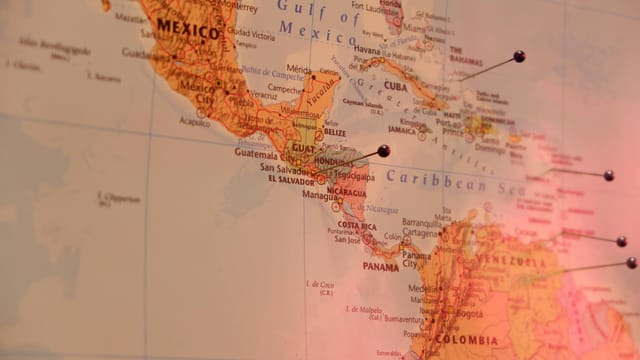
President Trump has warned Cuba to negotiate with the U.S. quickly or face severe economic consequences, particularly a cutoff of oil and financial support from Venezuela. This ultimatum comes amid recent U.S. military actions in Venezuela and highlights the precariousness of Cuba's economic situation, raising concerns about regional stability and the future of U.S.-Cuba relations.

Escalating Unrest in Iran Sparks U.S. Military Contemplation
The Trump administration is reportedly discussing potential military action against Iran as protests escalate into demands for regime change. With the Iranian military now involved in quelling dissent, the situation poses significant risks for regional stability and U.S. foreign policy.
America's Bold Move: The Implications of Declaring a National Emergency to Seize Venezuelan Oil
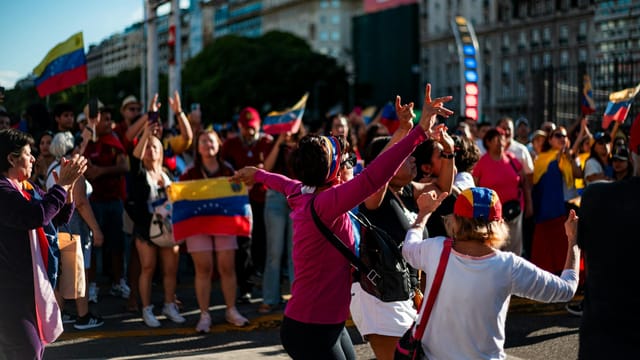
President Trump's declaration of a national emergency to seize Venezuelan oil revenues marks a significant shift in U.S. foreign policy, raising alarms about the erosion of international law and the sanctity of national sovereignty. This move, coupled with military intervention, sets a dangerous precedent that could embolden other nations to follow suit, challenging the global order established after World War II.

Greenland's Strategic Importance: A Potential Flashpoint for NATO and U.S.-Denmark Relations
The Trump administration's renewed interest in acquiring Greenland raises significant concerns about NATO's stability and U.S.-Denmark relations. With potential military action on the table, European allies are alarmed by the implications of U.S. unilateralism, emphasizing the need for diplomatic solutions to avoid conflict.

Trump Halts Military Action Against Venezuela Amid Ongoing Turmoil in Caracas
President Trump has canceled a planned military strike against Venezuela, citing that it appears unnecessary. This decision reflects a shift in U.S. foreign policy towards avoiding direct military intervention in the region, amidst ongoing turmoil and humanitarian crises in Venezuela.
Trump's Greenland Ambitions: A Strategic Gamble or a Diplomatic Misstep?
President Trump has reiterated his desire for the U.S. to 'own' Greenland, emphasizing the strategic value of direct control over the territory. This bold statement raises significant diplomatic concerns and highlights the growing geopolitical competition in the Arctic as nations vie for resources and influence in a rapidly changing environment.
U.S. Eases Sanctions on Venezuela: A Strategic Move Amidst Oil Interests
The U.S. has announced a partial lifting of sanctions against Venezuela, aiming to stabilize its governance and facilitate investment in its oil sector. This move follows a military intervention that removed President Maduro, highlighting America's strategic interests in Venezuela's vast oil reserves amidst ongoing geopolitical tensions.
U.S. Greenlights Israeli Military Action Against Hezbollah: A New Phase in Regional Tensions
Israeli Prime Minister Netanyahu has announced that the U.S. has approved military action against Hezbollah, reflecting growing frustration with Lebanon's response to the group's threats. This development signals a potential escalation in regional tensions, with implications for stability in the Middle East and beyond.
Trump's Withdrawal from Global Institutions: A Shift Towards Isolationism
President Trump's directive to withdraw from 66 international organizations reflects a significant pivot towards isolationism, prioritizing U.S. interests over multilateral cooperation. This move raises concerns about the future of global governance and the effectiveness of international institutions in addressing critical global issues.