
# brain–computer interface
Latest news and articles about brain–computer interface
Total: 6 articles found

China Accelerates Commercial Space and Neurotech: HuanTian’s 12-Satellite Tender and Jiangsu’s Drive to Fast‑Track Brain‑Computer Devices
China is fast‑tracking technologies that connect the physical and biological worlds. HuanTian’s newly announced tender seeks to procure, build and launch 12 remote‑sensing microsatellites under a roughly 1.25 billion‑yuan investment, pointing to an acceleration of commercial Earth‑observation capacity. Simultaneously, Jiangsu province has set concrete targets to certify at least 20 brain–computer interface medical devices and to incubate 30 consumer BCI scenarios by 2030, signalling a provincially backed push to industrialise neurotechnology.
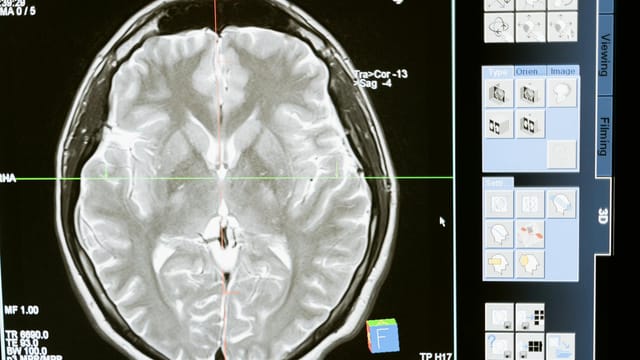
Guangdong Bets Big on Brain Tech: Push to Commercialize Implantable Electrodes, High‑Speed BCI Chips
Guangdong’s 2026–2035 industrial plan prioritizes brain‑computer interface technologies, from implantable and intravascular electrodes to high‑channel acquisition chips and specialized software, and seeks rapid commercialization across healthcare, entertainment and manufacturing. The move strengthens China’s bid to build domestic BCI supply chains while raising regulatory, ethical and dual‑use challenges that will shape global competition and collaboration in neurotechnology.

China’s Fourier Says Brain‑Controlled Exoskeletons for Stroke Rehab Could Reach Clinics in 1–2 Years
Fourier, a Chinese robotics firm, says it will integrate brain‑computer interfaces with exoskeletons to enable robots to detect patients’ movement intentions and provide timed physical assistance, aiming for clinical rollout within one to two years. The move rests on more portable BCI hardware, AI advances in signal interpretation, and a staged market strategy that targets hospitals first, then care homes and households.

From Thought to Motion: Why China’s Robotics Industry Is Betting on Brain–Computer Interfaces for Rehabilitation and Elder Care
Chinese robotics firms are prioritizing rehabilitation and eldercare as the first real markets for embodied intelligence, pairing non‑invasive brain–computer interfaces with exoskeletons to restore patient agency and create quantifiable training data. Industry players are addressing technical, data and integration challenges through consortiums and clinical partnerships, aiming to convert early prototypes into scalable clinical products over the next three to five years.

Musk Says Next‑Gen Neuralink Will Triple Performance and Aim to Restore Low‑Resolution Vision for the Blind
Elon Musk announced that Neuralink's next‑generation brain–computer interface will offer about three times the performance of the current system and plans to introduce a blind‑vision enhancement for totally blind people pending regulatory approval. The device aims to provide low‑resolution visual percepts, but technical, safety and regulatory challenges mean clinical validation and widespread use will take time.

China’s Robotics Race Turns Inward: Zhiyuan Spins Off Dexterous‑Hand Unit as Component Competition Intensifies
Zhiyuan Robotics has spun off its dexterous‑hand division into a new, majority‑owned company led by an industry veteran, reflecting a sectorwide pivot from whole‑machine integration to component specialisation. The move, alongside regulatory changes for surgical robots and advances across clean energy and machine tools, signals China’s industrial strategy shifting toward manufacturable, high‑performance subsystems that underpin next‑generation robotics and automation.