
# corporate%20governance
Latest news and articles about corporate%20governance
Total: 75 articles found
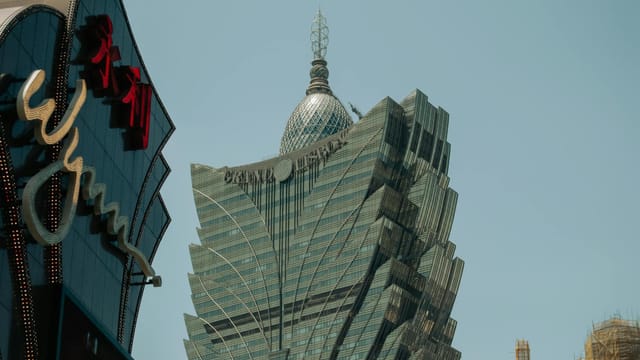
Bona’s Fall: Chairman’s Casino Debt Scare Highlights Deepening Financial and Governance Strains
Bona Film Group and its founder‑chairman Yu Dong faced renewed scrutiny after Wynn Macau filed suit over an alleged HK$4.73 million shortfall tied to a credit line; Yu’s lawyers say the debt has been repaid and litigation terminated. The incident compounds wider business and governance problems at Bona, which has posted cumulative losses of more than RMB 2.7 billion between 2022 and 2025 and faces regulatory warnings and frozen shares.
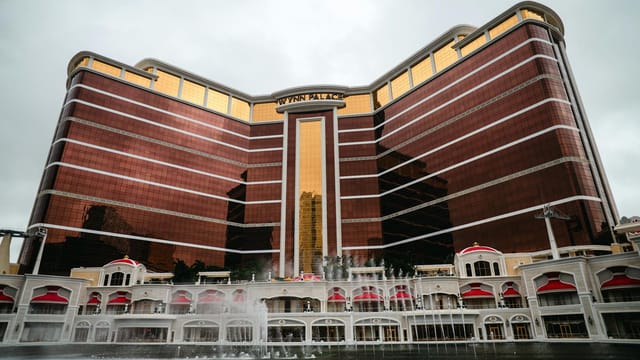
Bona Film's Fall: Macau Debt Claim Exposes Deepening Financial Strain
Bona Film Group’s chairman, Yu Dong, was the subject of a lawsuit by Wynn Macau over about HKD 4.73 million, a dispute his lawyer says arose from a third‑party guarantee and has since been settled. The incident comes as Bona wrestles with four consecutive years of losses exceeding RMB 2.7 billion, regulatory warnings over related‑party fund flows, and a declining market valuation.

Control Change Sparks Boardroom Purge at Delong Huineng, Leaving Investors in the Dark
Delong Huineng’s board was overhauled after a newly created entity, Nuoxin Chip Materials, completed a Rmb1 billion purchase of a 29.64% stake and became the controlling shareholder. Eight directors resigned and replacements were nominated, but the buyer’s recent incorporation and lack of operating history have raised governance and strategic uncertainties for minority investors. The company’s weak 2025 profitability and recent volatile share price have amplified market speculation about potential asset injections or a business pivot.

Gambling Allegations Ripple Through China’s Corporate Elite — From Bona Film to Fund Managers
A gambling‑related claim involving Yu Dong, chairman of Bona Film, has reignited concerns about governance and financial vulnerability in Chinese corporates. Similar scandals among executives in gaming, real estate and asset management show the reputational and regulatory fallout can damage companies and investor confidence well beyond the initial accusation.
Founder Sells into Rally as Losses Mount: Shaanxi Heimao’s Chairman Realises ~RMB170m After Two Years of RMB2.2bn Deficits
Shaanxi Heimao’s founder, Li Baoping, sold 32.79 million shares in a block trade that realised about RMB170.8m after buying the same stock a year earlier for roughly RMB100m. The company, a coking producer, has reported two consecutive years of heavy losses totalling more than RMB2.2bn and faces industry-wide headwinds including weak coke prices, high input costs and structural overcapacity.

China’s Taurine Champion Warns of More Than 50% Profit Drop as Prices and Demand Slip
Yong'an Pharmaceutical, a leading Chinese taurine producer, expects net profit for 2025 to fall between RMB 18.19m and RMB 27.05m, down more than half from the prior year. The drop reflects weaker prices and sales in the taurine market; the company plans a RMB 50m capital injection into its subsidiary to develop downstream capabilities, even as regulators issued a warning over disclosure lapses.

China’s Test-Equipment Star Seeks Nearly RMB3bn, While Major Shareholder Sells Into the Rally
Jingzhida, a STAR Market maker of semiconductor test equipment, announced a RMB 29.59 billion private placement to fund R&D and industrialisation while a major shareholder plans to sell about RMB 417 million worth of shares. The move comes after a 778% share-price surge, and follows 2025 results showing strong revenue growth but falling net profit due to heavy R&D and stock-based compensation.

Fosun’s Bet on Shede Falters as Local Liaison Departs and Sales Slide
Shede Liquor, controlled by Fosun, is under strain: key local liaison Wang Yong has resigned amid slipping sales, swollen inventories and a market that favours ultra-premium and mass-market players. The company’s governance concentration, large capacity expansion and high dividend payouts complicate recovery, leaving Shede at a crossroads between operational rescue, retrenchment or portfolio reallocation.

Top Team Walks Out at Hailianxun After Bold Turbine Merger and a Near‑70% Profit Warning
Hailianxun experienced a sudden, multi‑executive resignation of its top management amid a near‑70% profit warning for 2025 and just weeks after completing a large share‑swap merger that shifted its business toward turbine manufacturing. The departures amplify governance and integration risks as the company transitions and faces investor scrutiny.
Judicial Auction Sells Nearly 6% of Pediatric Drug Firm as Creditors Move In
ST Huluwa, a Chinese paediatric drug manufacturer, saw 23.9 million shares (about 5.97% of equity) sold at a judicial auction after a major-shareholder pledge triggered creditor action. Buyers included private funds and individuals; Huluwa Investment remains the largest shareholder but its stake fell to 35.79%. The sale highlights acute liquidity, governance and regulatory problems at the company and the broader risks that share pledges pose in China’s markets.

NPC Deputy Proposes Longer A‑share Trading Hours and a National Independent‑Directors Association to Bolster Liquidity and Governance
NPC deputy Tian Xuan has proposed extending A‑share trading hours in stages and creating a national, non‑profit independent‑directors association under CSRC oversight. The twin measures aim to boost liquidity, attract foreign capital and professionalise corporate governance, but would require significant technical, regulatory and institutional work to implement effectively.
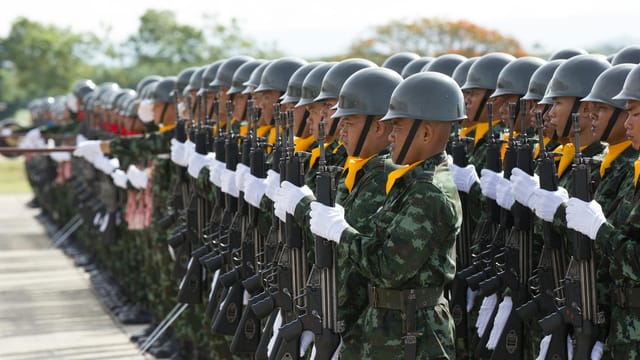
China’s HLA Blacklisted from Military Procurement, Putting Its Group‑Buy Engine and Cash Flow at Risk
China’s leading menswear retailer HLA was suspended from participating in all military procurement after refusing to sign a contract it had won. The sanction, which also penalises two company representatives, threatens the firm’s group‑purchase revenue stream, exacerbates existing margin pressure and signals stricter enforcement of procurement rules across China’s institutional supply chains.