
# emergency response
Latest news and articles about emergency response
Total: 4 articles found

Retired Military Medic Springs into Action Twice in One Day, Highlighting Gaps in Public Emergency Response
Xu Yanli, a recently retired Chinese military medic, intervened twice in one day to help ill passengers on a flight and a high-speed rail station queue. Her actions—rapid assessment, improvised treatment and crowd management—underscore both the value of veteran medical training and gaps in routine emergency equipment and coordination in public transport settings.

Retired Chinese Military Medic Saves Two Strangers in One Day — A Study in Civilian First Response
Xu Yanli, a recently retired PLA medic, intervened twice in one day to stabilise a fainting airline passenger and assist a collapsed commuter at a railway station. Her actions underscore the practical value of military medical training in civilian emergencies and highlight gaps in equipment and bystander preparedness in public transport settings.
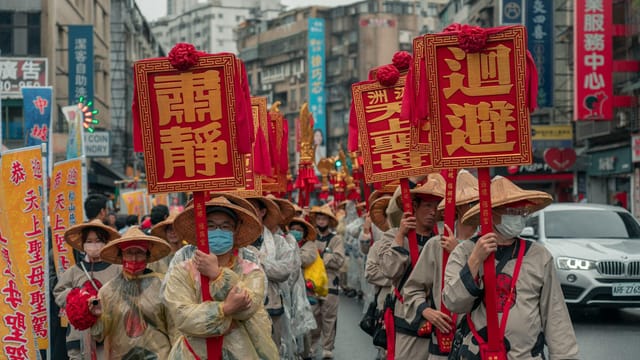
Night Watchers of Beijing’s Spring Festival: How Fire Crews Keep a Megacity Safe While Families Reunite
Beijing firefighters forgo Spring Festival reunions to staff mobile posts and micro fire stations, maintaining strict rapid-response standards that have reduced true fire incidents despite rising call volume. Their mix of routine inspections, public education and decentralized preparedness keeps densely populated neighbourhoods safe during the holiday surge. The story highlights a governance model that relies on disciplined personnel and community-level resources, offering lessons for other megacities balancing celebration and urban safety.

Veteran Volunteers Keep Troops Fed on the Move — A Local Fix for China’s Logistics Crunch
A volunteer "small cart" team of retired servicemen in Bengbu now prepares and delivers hot meals to passing military units, addressing manpower shortfalls in China’s shifting logistics needs. The project is a small-scale example of municipal-level civil–military cooperation that boosts surge capacity while raising questions about standardization and long-term governance.