
# nuclear
Latest news and articles about nuclear
Total: 10 articles found
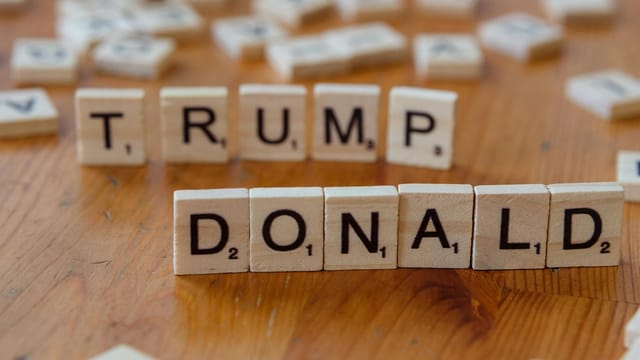
Trump Declares Iran War 'Almost Over' as U.S. Claims Leadership Decapitation and Tightens Nuclear Demands
President Trump declared the U.S. campaign against Iran "almost over," claiming that Tehran's leadership has been effectively eliminated and that the country's nuclear program has been significantly set back. His remarks, made after meeting families of fallen U.S. service members, set the administration's victory criteria as preventing Iran from rapidly reconstituting nuclear-weapons capability.

Trump Says He Must Approve Iran’s Next Leader, Threatens Military Options Over Nuclear Material
President Trump said the United States must approve Iran’s next supreme leader and threatened military options, including special forces raids to seize enriched uranium. Tehran reports a successor has been chosen, and Washington’s posture risks escalating regional tensions and undermining diplomatic norms.
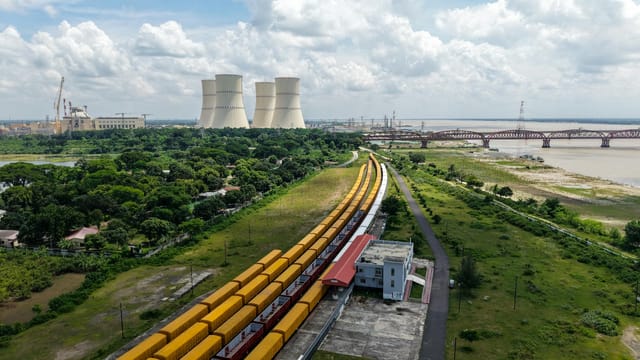
Iran’s New Supreme Leader Is Portrayed as the ‘Shadow Architect’ of a Militarised Nuclear‑Missile Complex
Mojtaba Khamenei’s elevation to supreme leader coincides with a profile that depicts him as the central architect of Iran’s integrated nuclear and missile programme. The portrayal suggests Tehran has institutionalised a strategy of maintaining a rapid path to a nuclear weapon while embedding that capability within hardened, precision missile forces — a shift that will reshape regional deterrence and complicate diplomatic efforts.
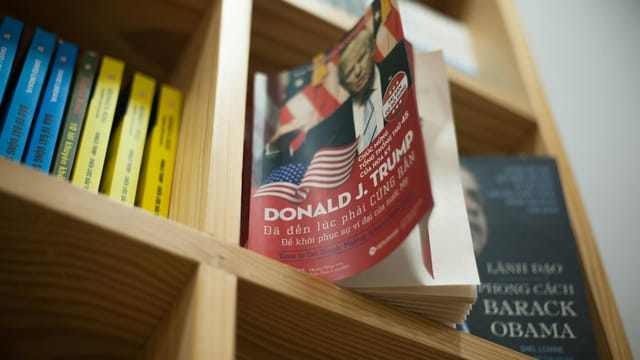
Trump Says Iran’s Next Leader Must Have US Approval; Tehran Says Successor Chosen — Tensions Ripen
President Trump publicly demanded U.S. approval for Iran’s next supreme leader and threatened special forces action to seize enriched uranium, while Iran announced that a successor has already been chosen and will be publicly named by the Assembly of Experts. The exchange heightens risks of escalation, undermines norms of state sovereignty, and complicates allied diplomacy.
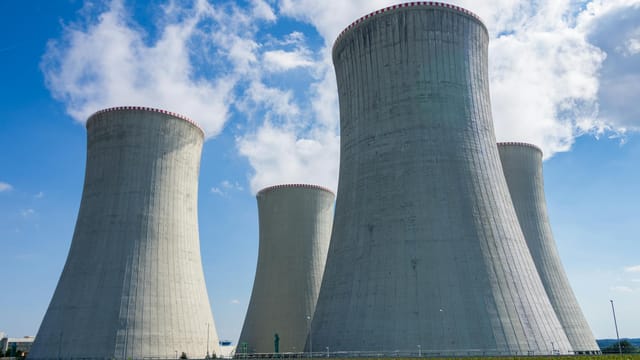
Iran Accuses US and Israel of Striking Natanz, Urges IAEA to Condemn ‘Illegal’ Attack
Iran has accused the United States and Israel of conducting two strikes on the Natanz nuclear facility and has asked the IAEA to condemn the attacks. Tehran stresses its programme is peaceful, vows legal action, and signals defensive measures while the incident heightens risks of escalation and complicates diplomatic efforts over its nuclear activities.

U.S. and Israel Reportedly Coordinated Months-Long Daytime Strike Plan to Surprise Iran
Israeli Channel 12 reports that the United States and Israel have coordinated a months-long joint operation against Iran, with an initial four-day phase timed for morning strikes to seize the element of surprise. The report, citing an anonymous Israeli security official, comes as President Trump reiterates a hardline stance on Iran's nuclear capabilities, and if true would heighten risks of regional escalation and complicate diplomatic avenues.
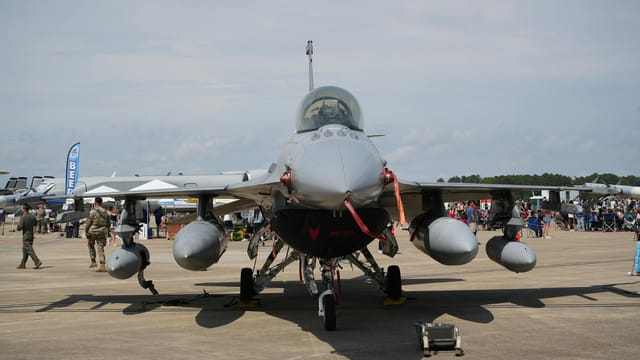
Echoes of 2003: U.S. Rhetoric on Iran Raises Fears of an Iraq‑style Build‑Up to War
The United States has intensified military deployments and public accusations against Iran, raising alarms that Washington may be following an Iraq‑war playbook of overstating threat to justify intervention. International agencies and some intelligence assessments contradict claims of an imminent Iranian nuclear or intercontinental missile threat, while signs of Israeli‑U.S. coordination and low domestic support for new foreign wars complicate the picture.
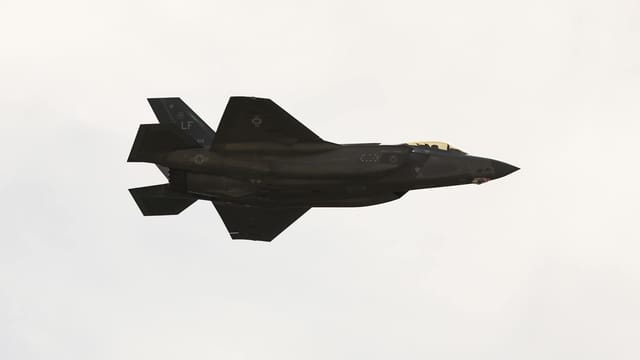
U.S. Readies Potentially Prolonged Strikes on Iran as Tensions Surge
U.S. officials say military planning is underway for strikes on Iran that could last weeks and extend beyond nuclear targets to security and state institutions. Washington has bolstered forces in the Middle East while Tehran warns of retaliation, raising the risk of a protracted regional confrontation.
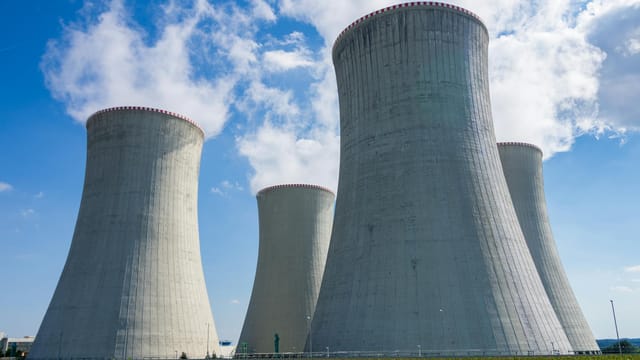
Iran Declares It Does Not Seek Nuclear Weapons and Offers Unspecified Inspections as U.S. Military Pressure Rises
Iran’s president declared the country does not seek nuclear weapons and said Tehran would accept any inspections, a statement delivered against heightened U.S. military pressure and ongoing indirect talks in Muscat. The offer is politically significant but vague on verification details, and its credibility will hinge on the scope of access granted and reciprocal incentives such as sanctions relief.

Talks Open but Trenches Deepen: U.S. and Iran Signal Willingness Amid Stark Differences
Both Washington and Tehran have publicly signalled willingness to enter talks on nuclear, missile and proxy issues, but deep disagreements over demands, sequencing and verification make successful negotiations uncertain. Military posturing and strict U.S. conditions fuel Iranian scepticism, leaving the region under continued diplomatic and security strain.