
# nuclear deterrence
Latest news and articles about nuclear deterrence
Total: 9 articles found

A New Deterrent: Pakistan’s Shaheen‑3 in Saudi Arabia and the Remaking of Middle‑East Strategy
A Chinese analysis argues that Pakistan could deploy Shaheen‑3 missiles to Saudi Arabia under a Russia‑Belarus style arrangement, providing Riyadh with credible long‑range conventional and nuclear‑capable deterrence. The move would reshape regional calculations—deterring Iranian expansion, complicating Israeli strategy and reducing U.S. security burdens—while risking erosion of non‑proliferation norms and increased crisis instability.

France and Germany Forge Closer Nuclear Deterrence Partnership, Signalling a New Phase in European Security
France and Germany have launched a high‑level partnership to coordinate nuclear deterrence, combining French nuclear capability with German conventional forces and broader European cooperation. Paris will stop publishing detailed nuclear force numbers and inaugurates a doctrine of “forward deterrence” that offers partners increased participation in deterrent exercises, while both governments say the move is meant to complement NATO rather than replace it.

Macron Proposes “Forward Deterrence,” Seeks European Buy‑In as France Moves to Expand Nuclear Arsenal
President Emmanuel Macron announced a plan to expand France’s nuclear arsenal and launch a “forward deterrence” strategy that tightens nuclear‑related cooperation with eight European partners. Paris will keep exclusive command of its forces while offering temporary, conditional integration—exercises, intelligence sharing and possible short‑term deployments—to strengthen Europe's collective deterrence amid weakened arms control and doubts about U.S. reliability.

Macron Orders an Expansion of France's Nuclear Arsenal and Ends Public Disclosure of Warhead Numbers
President Emmanuel Macron has ordered an increase in France's nuclear warhead inventory and announced that Paris will stop publicly reporting warhead totals. He argued the move is necessary amid rising international tensions, stressed that the decision to use nuclear weapons remains solely with the French head of state, and said eight European countries have shown interest in French extended deterrence proposals.

Macron Proposes Europe‑Wide Nuclear Deterrent as Germany Signs On — A Boost to EU Defence or a New Strategic Faultline?
France has proposed a ‘forward deterrence’ plan that would let French nuclear forces operate from allied European soil, with Germany as a key partner. Paris frames the initiative as complementary to NATO and a hedge against doubts about U.S. reliability, but the move has raised legal, operational and non‑proliferation concerns at home and abroad.

Munich Aftermath: Transatlantic Alliance Intact but the Old Order Is Dead
At the Munich Security Conference, warm rhetoric from the U.S. masked deep policy disagreements that have hollowed out the post‑Cold War transatlantic order. European leaders, while publicly affirming ties with Washington, are openly exploring greater strategic autonomy — including talks about a shared or independent nuclear deterrent — in response to perceived U.S. unpredictability.

Munich Aftermath: A Frayed Transatlantic Order and Europe’s Drift Toward Strategic Autonomy
The 62nd Munich Security Conference exposed widening fissures in transatlantic relations: conciliatory rhetoric from the United States masked hardline policy demands, while European leaders signalled growing interest in strategic autonomy — including preliminary talks on nuclear deterrence. The old post–Cold War order that sustained U.S.–Europe cooperation is fraying, forcing Europeans to weigh deeper defence integration against continued reliance on American security guarantees.
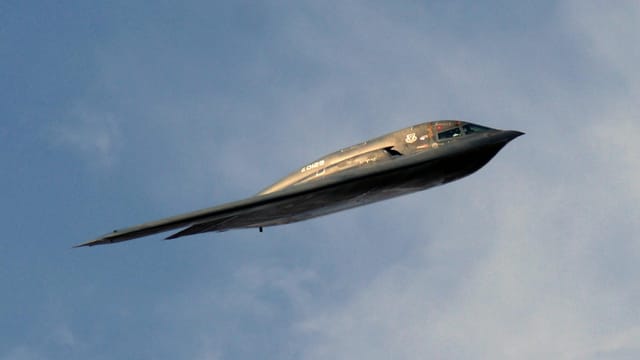
U.S. Signals Readiness to Re‑MIRV ICBMs and Reactivate B‑52 Nuclear Role as New START Expires
The U.S. Air Force says it is prepared to reintroduce MIRVs on Minuteman ICBMs and restore B‑52 nuclear carriage now that New START has lapsed. Those options, while technically reversible, broaden U.S. military choices and risk provoking reciprocal moves by Russia and China, complicating arms‑control prospects.
The Sentinel Sinkhole: How a $141bn ICBM Upgrade Is Exposing Fault Lines in US Nuclear Renewal
The US LGM‑35A Sentinel ICBM programme has ballooned to roughly $141 billion and triggered a Nunn‑McCurdy breach after costs surged and schedules slipped. Much of the overrun stems from unexpectedly heavy investment in new hardened silos and associated infrastructure, creating risks to the timing and credibility of the US land‑based deterrent.