
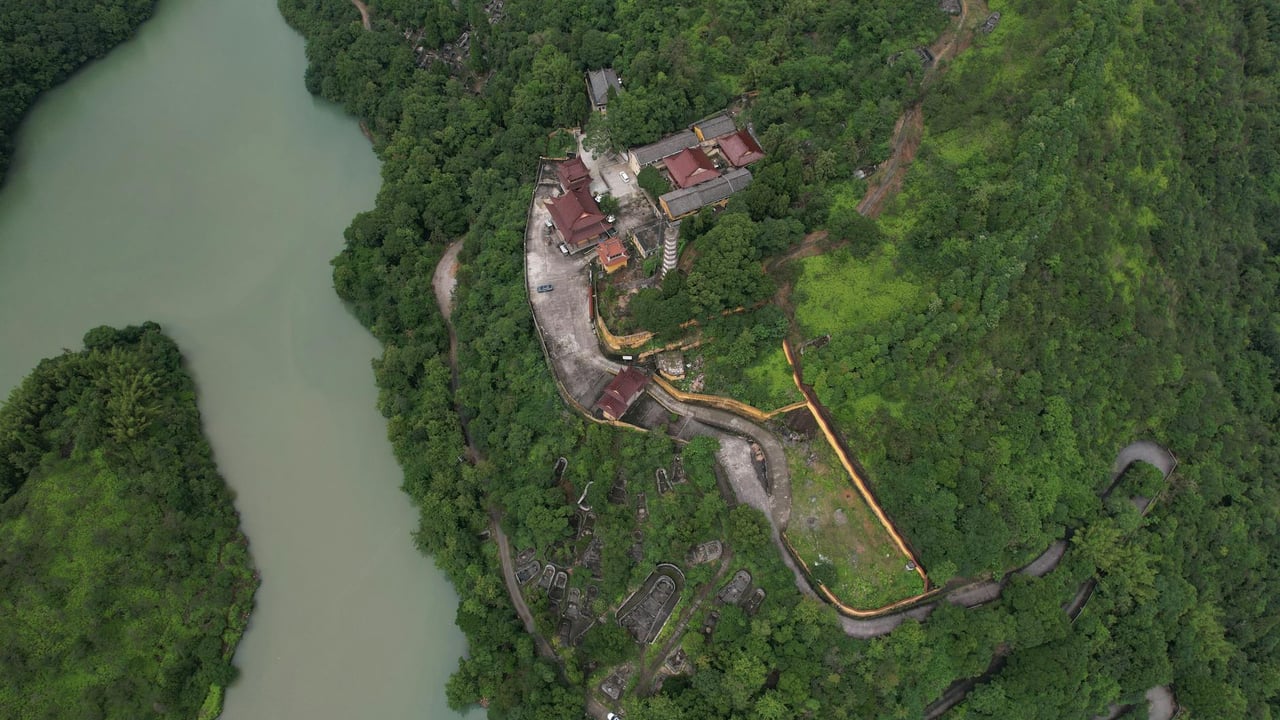

Wenzhou has become the 28th Chinese city to top a trillion yuan in annual GDP, a milestone that propelled the coastal city to 28th place nationally and back into the top ten among prefecture-level cities. The achievement crowns years of rapid private-sector-driven growth: Wenzhou reached 971.8 billion yuan in 2024 and cleared the trillion threshold in 2025, earning it the distinction of the tenth ordinary prefecture-level city to achieve that scale.
The milestone strengthens Zhejiang’s standing, raising the province’s tally of trillion-yuan cities to three and consolidating the Yangtze River Delta’s dominance with ten such cities—fully one-third of China’s trillion-yuan urban cluster. Wenzhou’s ascent highlights a broader pattern: advanced industrial and privately capitalised prefecture-level cities—such as Suzhou, Foshan and Dongguan—are closing the gap with provincial capitals and municipalities, competing on industrial output and export strength rather than administrative rank.
Wenzhou’s progress, however, is not purely economic theatre. The city has long been known as China’s "first private-economy city," and during the 14th Five-Year Plan it repeatedly bridged successive 100-billion-yuan steps, signalling both scale and momentum. Yet the city fell short of an accompanying demographic ambition: a target to become a city of 10 million residents by 2025 looks unlikely to be met in the short term, with a 2024 resident population of 9.852 million and an annual increase of about 91,000—short of the roughly 148,000 needed in a single year.
The story of Wenzhou is unfolding alongside other near-miss contenders. Xuzhou and Dalian, with 2024 GDPs just under the trillion mark, are poised to join the club, and their possible promotions carry symbolic provincial and regional implications. Xuzhou’s rise would push Jiangsu’s tally to six trillion-yuan cities, reinforcing that province’s dominance, while Dalian’s accession would mark the first trillion-yuan city in the Northeast and help lift northern China’s representation past ten cities if Shenyang follows.
Looking ahead, the benchmark that once mattered most—the first break‑through to a trillion—appears set to be replaced by new targets: two-trillion and three-trillion ambitions are already being aired by leading cities. Nanjing, Qingdao, Zhengzhou, Wuhan and Chengdu are among those with explicit multi-trillion plans, and some coastal industrial cities like Suzhou have publicly set three-trillion goals within short three-to-five-year windows. These shifting yardsticks will change the hierarchy of China’s urban economy and refocus competition on scale, industrial upgrading and talent attraction.
But the headlines conceal structural anxieties. China’s slowing population growth and limited intercity migration mean that labour and talent constraints are increasingly binding; demographic shortfalls could blunt consumption growth and raise labour costs. Meanwhile, the race for headline GDP figures risks incentivising short-term investment or credit-fuelled expansion rather than higher-quality, productivity-led growth, especially among prefecture-level governments keen to prove their credentials.
For international observers and investors, Wenzhou’s promotion is a useful reminder that China’s economic dynamism is not monopolised by capital cities and first-tier municipalities. A constellation of industrial, export-oriented mid-sized cities is accumulating scale and capacity, reshaping provincial balances of power and creating new nodes for manufacturing, trade and private entrepreneurship. How these cities navigate demographic limits, upgrade industrial structures, and transition from headline growth to sustainable competitiveness will determine which ones remain ascendant in the next phase of China’s urban contest.