
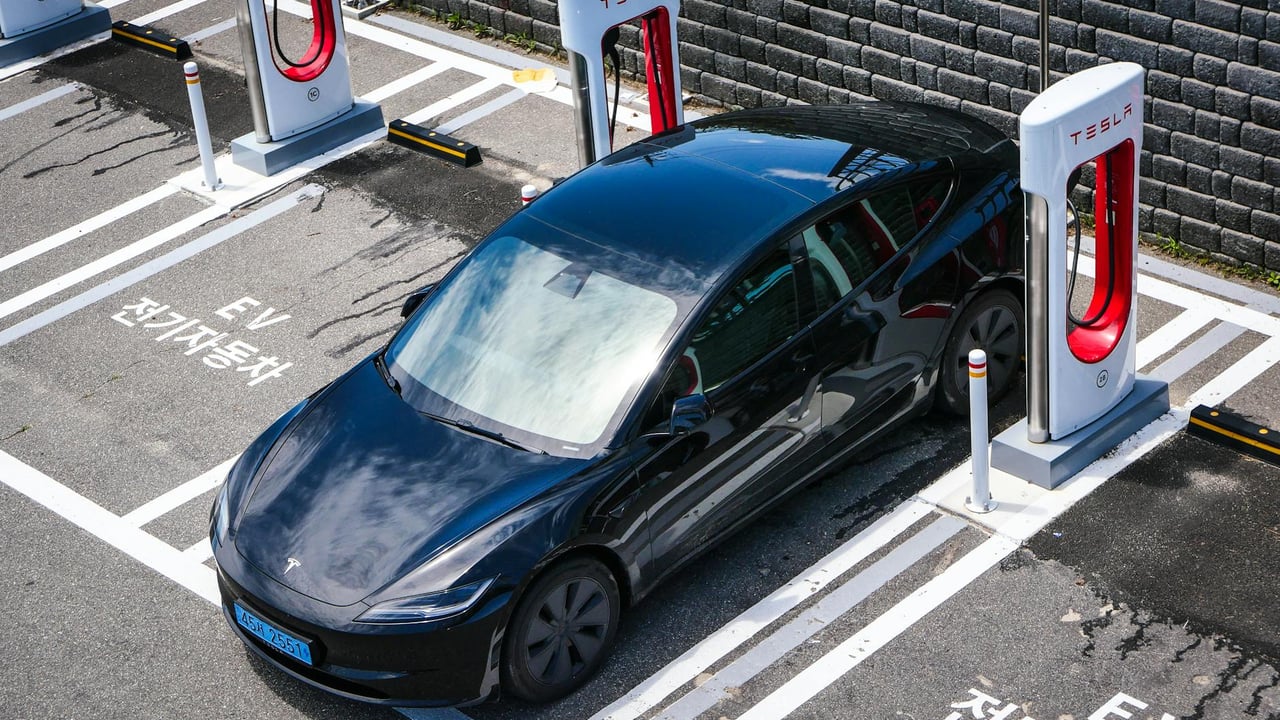

China has passed a new milestone in its electric-vehicle transition: the total number of public and private EV charging connectors has exceeded 20 million. The figure — often reported domestically as the number of “charging guns” — reflects a surge in infrastructure build-out that has accompanied rapid sales of new-energy vehicles across the country.
The expansion has been driven by a mix of central directives, generous local subsidies in earlier years, and fierce commercial rivalry among charging operators and automakers. Municipal programmes to install chargers in residential compounds, workplaces and along highways have reduced range anxiety for many urban drivers and made the car market more hospitable for purely battery-powered models.
Despite the headline number, the network’s value depends on how those connectors are distributed and managed. Large cities and wealthier provinces tend to have dense coverage, while many smaller cities and rural areas still rely on a sparser set of facilities. That mismatch creates episodic congestion at popular stations and leaves pockets of drivers dependent on private slow-charging solutions.
The grid consequences are already apparent. A charging fleet measured in tens of millions increases electricity demand patterns and creates peaks that require smarter load management, vehicle-to-grid research and more flexible pricing. Integrating charging with renewable generation and storage will be critical if electrification is to reduce emissions rather than simply shifting them from tailpipes to power plants.
Commercially, the milestone marks both achievement and a turning point. Early growth was fuelled by subsidies and investor optimism; the sector is now shifting into an era where operators must prove sustainable revenue from utilisation, maintenance and value-added services such as software, fleet charging and roaming agreements. Consolidation, standardisation and competition over interoperable payment and authentication systems are likely outcomes.
For policymakers and foreign automakers, 20 million connectors change the calculus. The depth of China’s network lowers barriers for domestic EV makers to lock in market share and accelerates opportunities for Chinese charging firms to export know‑how. At the same time, pressure grows for coherent national standards on cybersecurity, data sharing and safety as charging becomes a strategic slice of the broader energy transition.
The milestone is therefore more than a numeric achievement: it signals that electrification in China has moved past the experimental phase into mass infrastructure. The immediate questions now are operational: can the network be scaled smarter, made fairer geographically, and linked to cleaner power so that the environmental promise of EVs is fully realized?