
# energy transition
Latest news and articles about energy transition
Total: 7 articles found

China Expands EV Highway Network as Service Area Charger Count Reaches 85,400
Charging infrastructure now covers over 98 percent of highway service areas as vehicle-grid integration advances.
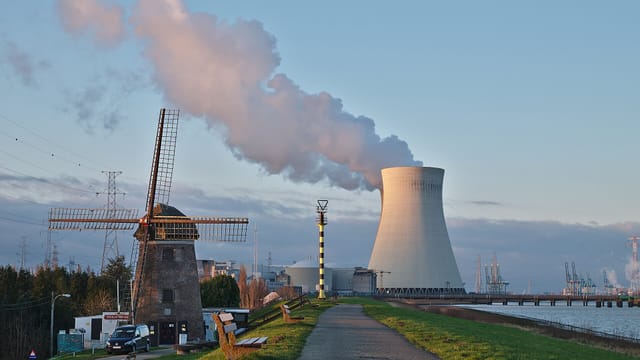
Tianwan Nuclear Power Plant Unit 7 Begins Initial Fuel Loading in East China
The Russian-designed VVER-1200 reactor enters nuclear commissioning ahead of its planned 2026 commercial startup.

China Connects Green Power to AI Hubs as Computing Electricity Surges
Computing centers are projected to consume 800 billion kilowatt-hours by 2030, prompting direct green power integration.
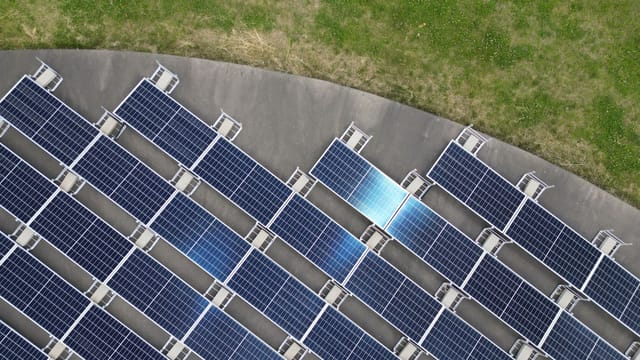
Chinese Clean Energy Suppliers See Surge in Middle East Infrastructure Demand
Modular construction speeds and robust supply chains accelerate Middle Eastern procurement of Chinese solar, wind, and grid equipment.

China Plans Carbon Market Expansion to Petrochemicals and Chemicals
The national emissions trading scheme will broaden beyond four existing sectors to cover roughly 80 percent of China's carbon dioxide emissions.
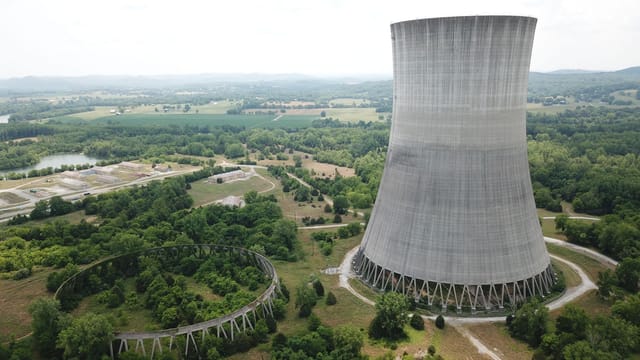
First Hualong One Nuclear Project in Greater Bay Area Fully Operational
CGN brings Unit 2 of Guangdong's Taipingling nuclear plant online, completing Phase I of the region's first Hualong One facility.

China Issues 15th Five-Year Plan for Renewable Energy Development
The strategy targets power generation, non-electric utilization, and reliable substitution across seven priority tasks.