
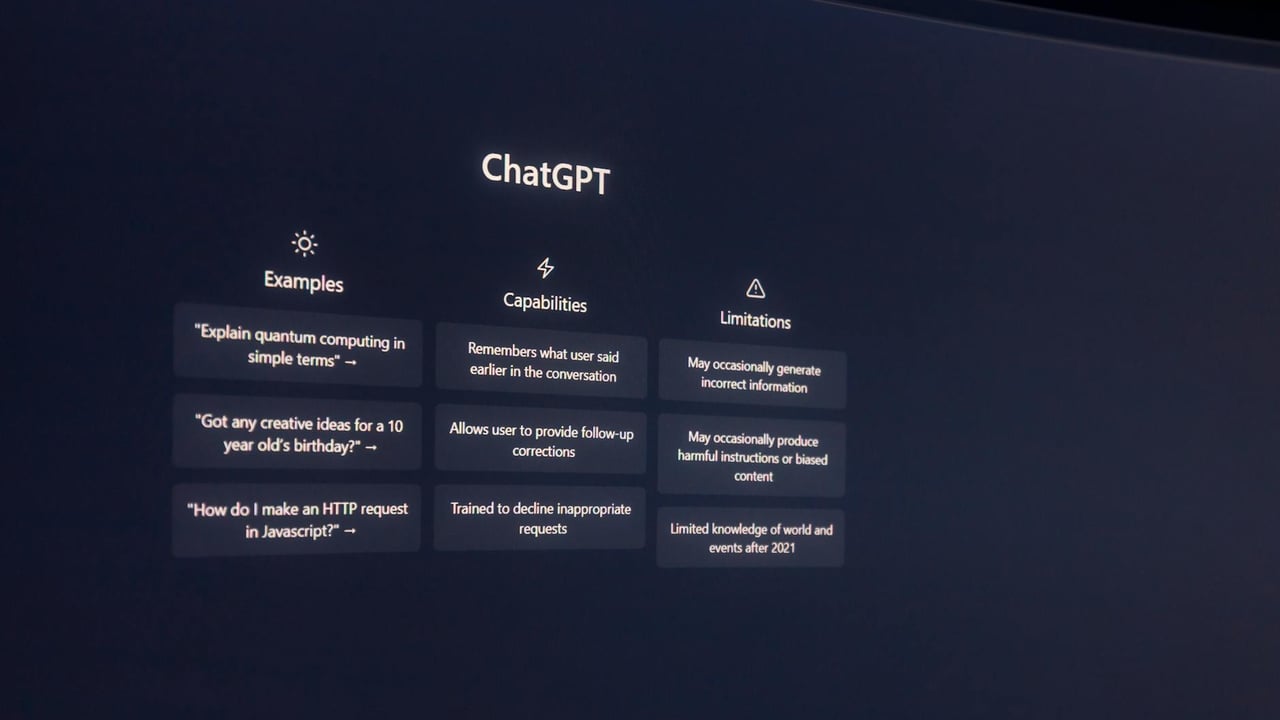

OpenAI has quietly begun selling advertising inventory tied to ChatGPT and is pitching that inventory at price levels usually reserved for premium video programming such as NFL broadcasts. Early advertiser terms reflect a willingness to treat conversational placements as scarce, brand‑safe real estate — and to charge accordingly — putting OpenAI's initial rates above those of typical social apps.
The company is not, however, offering the kind of granular attribution and conversion tracking that digital buyers now take for granted. OpenAI will supply headline metrics — impressions and aggregate clicks — but will not disclose whether ads drove specific user behaviours such as purchases or site visits, nor will it report the detailed query‑level data that would show how ad exposure changed subsequent chat replies.
OpenAI says more advanced measurement tools could arrive over time, but building them will take “time.” For the moment the reporting package resembles the traditional services television networks provide: reach and basic engagement figures rather than event‑level, programmatic signals used to optimise performance campaigns.
That choice reflects a calculated trade‑off. Presenting ChatGPT placements as premium, TV‑like inventory helps OpenAI attract brand advertisers seeking attention and context rather than direct‑response outcomes. But it also risks narrowing the buyer base: performance marketers who rely on tight attribution and iterative optimisation are less likely to pay top dollar without conversion evidence.
The move also highlights broader commercial and technical challenges. Competing with entrenched ad platforms such as Meta and Google will require not only competitive pricing but robust ad tools — auction mechanics, targeting controls, fraud and viewability measurement, and APIs that feed campaign optimisation. Building that stack while maintaining user trust and conversational quality is a complex engineering and policy task.
Privacy and regulatory constraints will shape how quickly OpenAI can expand targeting and measurement. Using conversational context to personalise ads raises fresh questions about consent, data retention and cross‑site profiling in jurisdictions with strict privacy rules. OpenAI will have to balance advertiser demand for signals with the legal and reputational risks of mining chat logs for commercial insights.
For now the rollout signals an aggressive new revenue path for OpenAI. Premium pricing demonstrates confidence in ChatGPT's commercial value, but the platform's eventual success as an ad competitor will depend on whether it can close the measurement gap and offer advertisers the data needed to justify sustained, high‑value spend.