Anta's Bold Bet: Chinese Sportswear Group to Buy a Near-30% Stake in Puma for €1.5bn

Anta has agreed to buy a 29.06% stake in Puma SE for €1.505 billion, a near-30% holding that confers large minority influence while remaining below Germany’s 30% mandatory-offer threshold. The purchase advances Anta’s global expansion strategy and creates scope for commercial cooperation across product, retail and markets, but also invites governance and regulatory scrutiny.

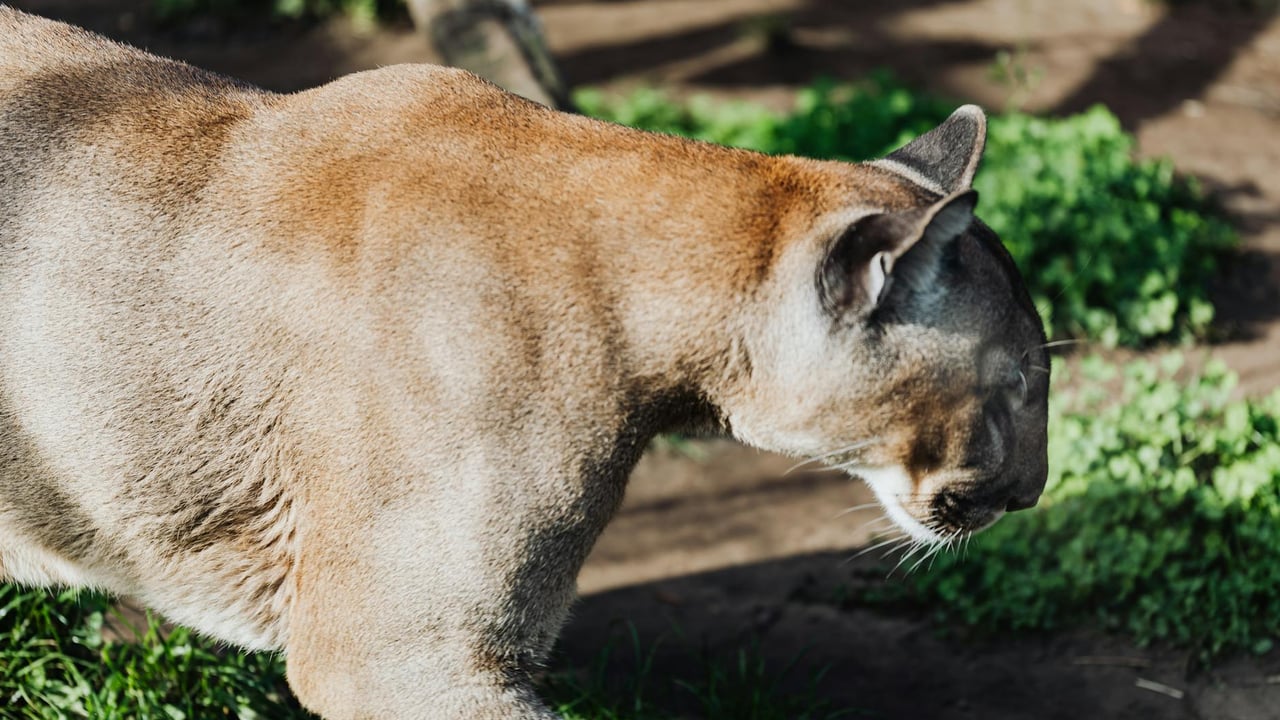
Close-up of a majestic puma walking in its natural habitat, showcasing its powerful build.

Key Takeaways

  • 1Anta to acquire 43,014,760 Puma shares (≈29.06% of issued capital) at €35 per share for a total of €1,505,516,600 (≈RMB 12.28 billion).
  • 2The stake is large enough to confer significant influence but remains under Germany’s 30% mandatory takeover threshold.
  • 3Anta is a fast-growing Chinese sportswear conglomerate with a portfolio of brands and investments; Puma already operates an extensive China retail network.
  • 4The deal furthers Anta’s internationalisation strategy and could unlock distribution, design and sponsorship synergies while exposing both sides to integration and regulatory risks.

Editor's
Desk

Strategic Analysis

Strategic Context: This transaction exemplifies the next phase of Chinese outbound investment in consumer brands: moving from acquiring distribution rights or minority stakes in niche premium labels to taking substantial, strategically chosen positions in established global names. By stopping short of the 30% takeover trigger, Anta has chosen a cautious legal posture that preserves optionality — it gains heft as a shareholder without immediately assuming the obligations and political scrutiny of a full bid. For Anta, the upside is clear: faster access to European design, global sponsorship deals and the prestige of a major Western label to complement its domestic success stories. For Puma, a strong Chinese partner could accelerate growth in its largest and fastest-growing market. The risks are geopolitical and managerial. European policymakers remain sensitive to strategic Chinese investments, and Puma’s wider shareholder base will watch closely for governance arrangements, board representation and any push to realign supply or branding strategies. Whether Anta uses this stake as a collaborative lever or as a stepping stone to greater control will determine whether the deal becomes a model for cross-border brand consolidation or a flashpoint prompting tougher regulatory responses across Europe.

China Daily Brief Editorial
Strategic Insight
China Daily Brief

Anta Sports announced on January 26 that it has entered a conditional agreement to purchase 43,014,760 ordinary shares of Puma SE — roughly 29.06% of the German sportswear group's issued share capital — for €35 per share, a total consideration of €1,505,516,600 (about RMB 12.28 billion). The transaction was filed on the Hong Kong Stock Exchange and, according to Anta's disclosure, remains subject to the usual conditions set out in the share-purchase agreement.

The deal marks a striking move by one of China’s largest sportswear manufacturers to deepen its footprint in a major European global brand. Anta, a company founded in 2007 and wholly owned by Anta Investment, has built a string of international and domestic brands and investments. Company filings list Ding Shijia as its legal representative and show a diversified stable of subsidiaries and investments across manufacturing, logistics and retail.

Puma already has an established presence in China: its local trading arm, Puma (Shanghai) Trading Co., was set up in 2005 and remains a wholly owned subsidiary of Puma Hong Kong Limited, operating more than eighty retail outlets and concessions across Chinese cities. A nearly 30% block of Puma’s stock would give Anta a substantial economic stake and potentially meaningful influence over strategic discussions without immediately seizing control.

The precise size of the stake is notable for regulatory and corporate-governance reasons. At 29.06% Anta sits just below Germany’s 30% threshold that would normally trigger a mandatory takeover offer under the German Securities Acquisition and Takeover Act. That positioning allows Anta to become the largest single shareholder in effect while avoiding the formal obligations of a full offer, at least for now.

Strategically, the acquisition could accelerate Anta’s internationalisation and brand-building ambitions. Anta has previously raised the profile of premium labels in China through capital, distribution and marketing support; a minority stake in Puma would create opportunities for cooperation on design, supply chains and sponsorships, and give Anta access to Puma’s European R&D and brand cachet. At the same time, the deal raises familiar integration risks and governance questions, and will attract scrutiny from investors and regulators monitoring cross-border acquisitions of prominent Western consumer brands.

Share Article

Related Articles

📰
No related articles found