

Wall Street closed higher on January 26 as investors shrugged off a surprise tariff escalation by President Donald Trump and instead focused on a busy slate of corporate earnings and fresh developments in AI hardware. The Nasdaq rose 0.43%, the Dow gained 0.64% and the S&P 500 added 0.5%, with heavyweight tech names including Apple, Meta and Microsoft climbing ahead of this week’s quarterly results.
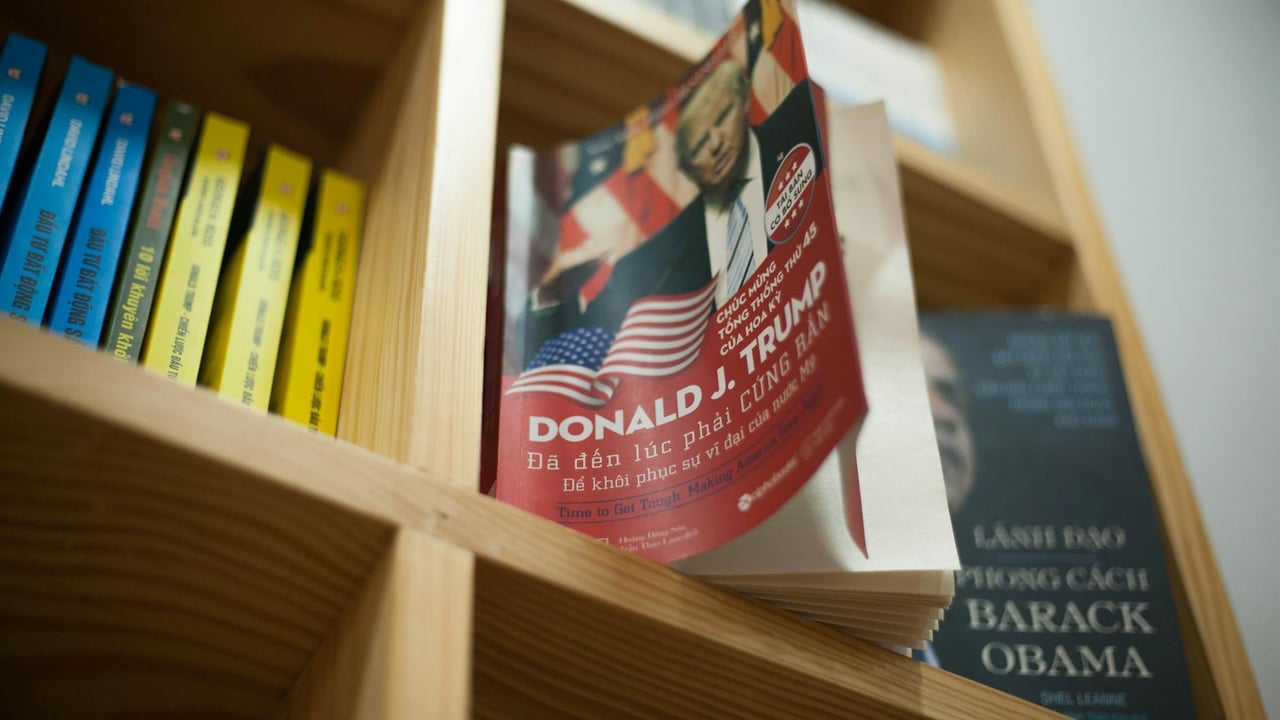
Late in the trading day Mr. Trump posted on his social platform, saying that because the South Korean National Assembly had not ratified a trade pact negotiated with Washington last year, the United States would raise duties on Korean automobiles, lumber, pharmaceuticals and other reciprocal tariff items from 15% to 25%. The move—framed by the White House as enforcement of a bilateral agreement reached between Trump and South Korean President Lee Jae‑myung in July 2025 and reaffirmed during Mr. Trump’s October 2025 visit—was immediate and unilateral, creating fresh uncertainty for exporters in Seoul.
Markets parsed the tariff shock alongside corporate news. Microsoft revealed its long‑rumoured Maia 200 AI chip, built on TSMC’s 3nm process, with the company claiming superior FP4 and FP8 performance versus Amazon’s Trainium3 and Google’s seventh‑generation TPU. Microsoft positioned the chip as optimised for large AI model inference and said it contains more than 140 billion transistors, a signal that hyperscalers are increasingly vertically integrating hardware to control costs and performance.
Not all tech headlines were upbeat. Intel plunged after offering weak guidance for fiscal 2026’s first quarter, forecasting revenue below Street expectations and adjusted earnings near break‑even. That disappointment compounded investor anxiety about legacy semiconductor makers amid the fast‑moving shift to custom AI accelerators and the heavy investment required to catch up.
Sector moves were mixed but decisive: banks generally rose on the day, while health insurers and drug-related names fell sharply in after‑hours trading when the White House proposed holding Medicare payment rates to insurers steady in 2027—below what the market had expected. Chinese ADRs were predominantly lower, with pockets of strength in cloud and data services stocks, and precious metals saw dramatic intraday swings as gold and silver hit historic highs before easing back.
The tariff announcement presents a thorny policy dilemma. South Korea is a strategic U.S. ally and a major node in global supply chains—particularly autos, batteries and semiconductors—so punitive trade measures risk economic pain for both sides and could complicate cooperation on defence and technology. For investors, the episode underlines how geopolitical and political calculations can intrude rapidly on commercial relationships and market expectations.
Looking ahead, markets will watch how Seoul’s legislature responds, whether exemptions or phased implementation are announced, and how multinational firms with Korean exposure adjust sourcing and pricing. At the same time, Microsoft’s chip roll‑out will be scrutinised by enterprise customers and competitors for real‑world performance and cost advantages, which could reshape demand for third‑party accelerators and influence the cadence of AI infrastructure investment.