
# trade policy
Latest news and articles about trade policy
Total: 9 articles found
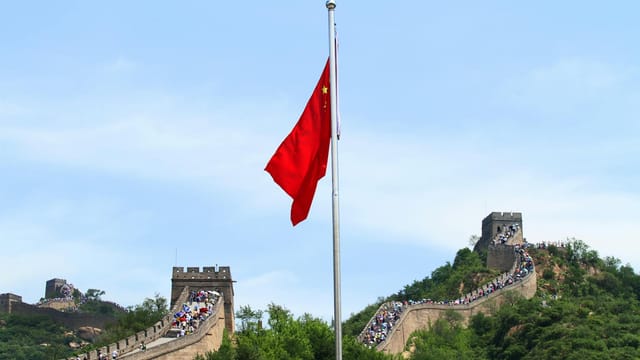
Washington Reboots Trade Warfare: New 301 Probes Target China and a Dozen Partners
After a Supreme Court ruling curbed the president’s emergency tariff powers, the U.S. launched new investigations under Section 301 targeting China and a dozen other economies. The probes, focused on subsidies, excess capacity and labour practices, aim to restore a credible tariff threat but risk reigniting trade tensions and disrupting global supply chains.
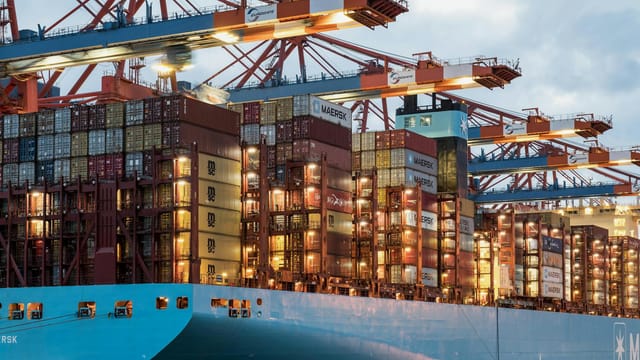
Beijing Summons Maersk and MSC After Gulf Surcharges — A Warning That Could Ripple Through Global Shipping
China summoned Maersk and MSC executives to protest emergency surcharges and route suspensions following disruptions in the Strait of Hormuz, and signalled it may take further measures to protect trade stability. The meetings come amid a related Panama port dispute involving Chinese companies and highlight the growing politicisation of global shipping.
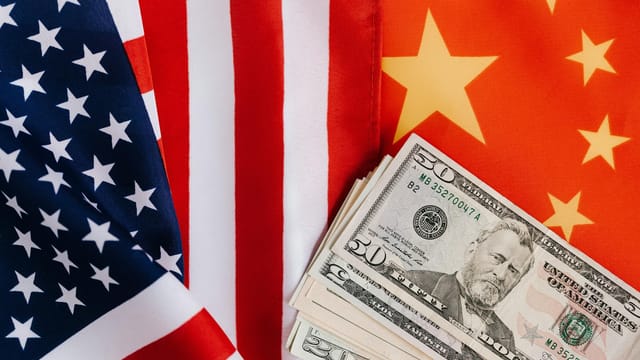
Washington’s Tariff Pivot: 15% for Some Partners, No New China Levies Ahead of Trump Visit
After a Supreme Court rebuke of its earlier emergency tariff plan, the U.S. administration has implemented a 10% global temporary tariff and signalled it will raise duties to 15% or more for selected countries while publicly sparing China ahead of a planned Trump visit. Officials plan to rely on Section 301 investigations and other statutes, including Section 232 and Section 338, to justify targeted, more permanent levies — a strategy that heightens uncertainty for trading partners and global supply chains.

Washington Signals Intent to Keep Steep Tariffs on Chinese Goods, Raising Stakes for Global Trade
A Chinese outlet reported that a US government representative said Washington plans to maintain tariffs of 35%–50% on Chinese imports. If sustained, such high tariffs would reshape supply chains, raise costs for global businesses and consumers, and deepen the economic dimensions of US–China strategic competition.

Trump Poised to Pare Back Steel and Aluminum Tariffs to Ease Consumer Pain and Court Voters
The administration is preparing to exempt selected steel and aluminum products from high tariffs introduced last summer, aiming to cool consumer prices and regain voter support. The shift narrows broad, politically contentious levies in favour of targeted national‑security probes, easing pressure on exporters in Europe and North America but preserving future legal and lobbying battles.
Fed and CBO Find U.S. Households Shoulder Almost All of Trump’s Tariff Bill
New York Fed and CBO analyses show roughly 90% of the cost of President Trump’s tariff surge has been borne by American households and businesses. The reports highlight sharp price increases, elevated economic uncertainty and rising political strain in Washington, where legal and congressional challenges to the tariff program are mounting.

Trump Raises Tariffs on South Korean Imports as U.S. Markets Digest Tech Wins and Intel Weakness
President Trump announced an increase in U.S. tariffs on South Korean autos, timber and pharmaceuticals from 15% to 25%, blaming Seoul for not ratifying a bilateral trade deal. U.S. markets closed higher as investors focused on upcoming tech earnings and Microsoft’s launch of a new AI chip, while Intel slumped on weak guidance.
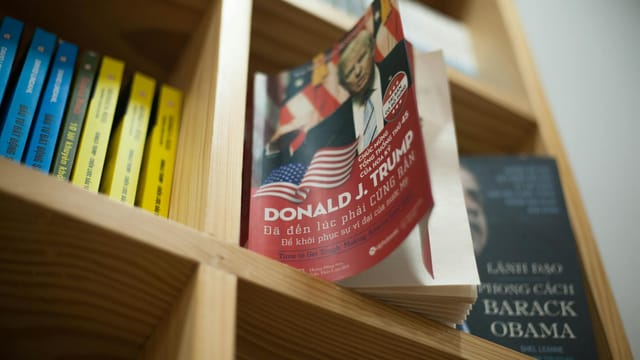
Trump Slaps 25% Tariffs on South Korea as Markets Rally and Microsoft Unveils New AI Chip
President Trump announced a unilateral increase in tariffs on South Korean cars, lumber and pharmaceuticals from 15% to 25%, citing Seoul’s failure to ratify a bilateral trade deal, while U.S. markets rose as investors focused on tech earnings and Microsoft’s unveiling of its Maia 200 AI chip. The tariff move risks straining a strategic alliance and creating supply‑chain uncertainty even as competition among cloud providers intensifies over in‑house AI hardware.

Global Risk-Off Sends Stocks Tumbling as Nvidia Loses Nearly $200bn; China Readies a Domestic-Demand Push
Global markets turned risk-off on renewed US tariff rhetoric, sending US indices sharply lower and erasing roughly $196 billion from Nvidia’s market value. Beijing signalled a policy pivot toward expanding domestic demand — including a 2026–2030 strategy and extended tax breaks for services — as geopolitical and market volatility complicate external growth prospects.