

Chinese premium electric marque Lantu has announced an ambitious 2026 product slate: four new models spanning SUVs, a family-focused FUV and a high-end MPV, all equipped with Level‑3 autonomous‑driving hardware. The program centers on the Taishan Ultra—positioned as Lantu’s first mass‑production L3 SUV—which the company expects to begin delivering in March, followed by the large five‑seat Taishan X8 in the first half, a smart pure‑electric FUV (code‑named FE) around mid‑year, and a luxury MPV (internal code “Zhufeng”) priced at roughly RMB 500,000 to arrive in the second half. By equipping its entire 2026 line‑up with L3 hardware, Lantu is attempting to build a broad product matrix that marries conventional segment coverage with advanced driver‑assistance capabilities.
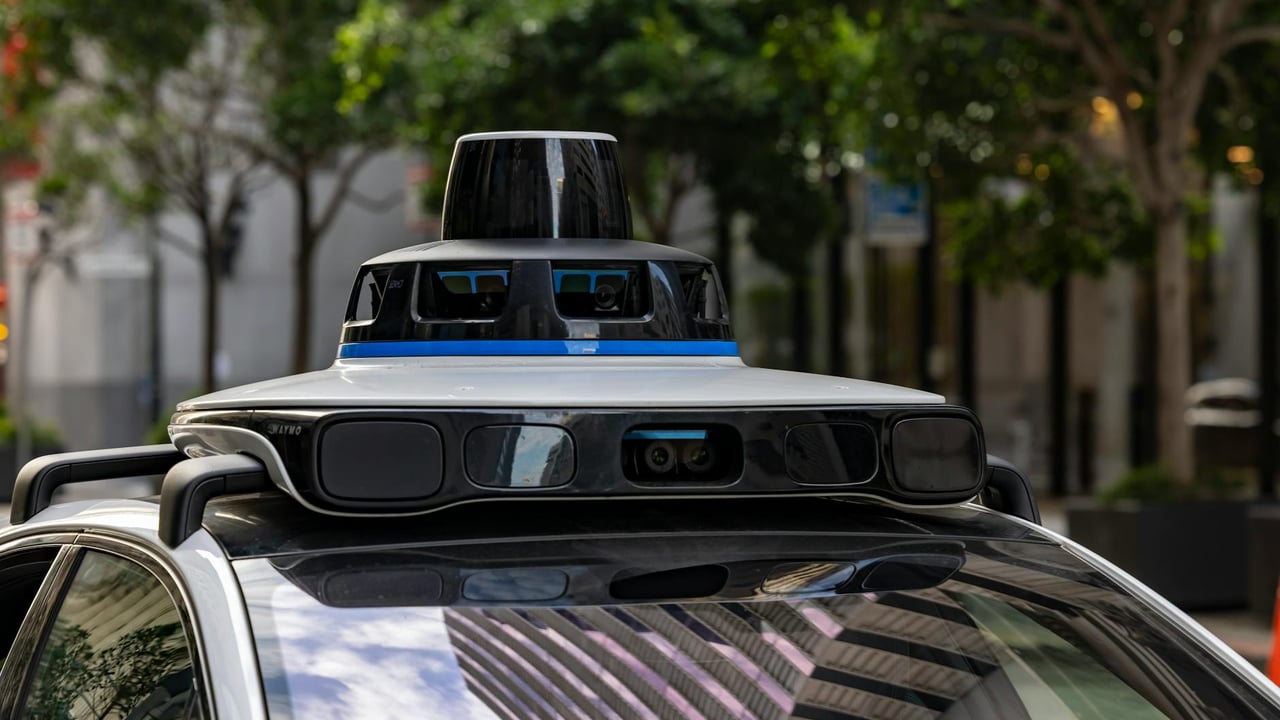
The move is as much strategic positioning as it is product planning. Installing L3‑grade sensor suites and computing platforms across several body styles signals Lantu’s intent to be seen as a technology leader within China’s crowded new‑energy vehicle market. Hardware deployment will include the kinds of sensors and processing power that, in principle, support conditional hands‑off driving in defined scenarios; whether customers will immediately experience true L3 autonomy depends on software, validation and regulatory green lights rather than hardware alone. The Taishan Ultra’s March deliveries will therefore be watched closely as an early test of Lantu’s integration of hardware, software and real‑world safety validation.
For buyers, the headline is simple: more cars with advanced sensor stacks are coming to showrooms. For rivals and suppliers, the implication is broader: mainstreaming L3 hardware raises demand for lidar, high‑precision mapping, redundant compute and the software stacks that orchestrate them. It also raises questions about unit economics; premium sensor suites add cost, and manufacturers must decide whether to absorb that cost, price it to buyers, or offset it with other features. The planned Zhufeng MPV, pitched at about RMB 500,000 (roughly US$70,000), positions Lantu in the upper‑end family and executive transport market where buyers may be most receptive to advanced driving features.
The timing is significant. China has emerged as one of the most active markets for piloting higher‑level automated driving products, and a number of incumbent and new entrants are racing to field commercially viable L3 offerings. Lantu’s announcement therefore intensifies competition among premium EV brands and specialist automakers that are increasingly differentiating on driver assistance and convenience rather than solely on range or styling. But hardware parity is only the opening curtain: the commercial value will hinge on software maturity, regulatory approvals for hands‑off operation, and public trust after careful safety validation and transparent liability arrangements.
Risks to Lantu’s plan are clear. Achieving reliable L3 behavior in complex urban environments is still technically demanding and expensive, testing regimes are time‑consuming, and regulatory frameworks for liability and certification remain evolving. Consumers may be wary of paying a premium for hardware whose full capabilities arrive later through software or remain constrained by legal limits. Still, if Lantu successfully delivers on the March timeline and follows through with software rollouts and approvals, it could convert a hardware‑first strategy into a marketing and competitive advantage that reshapes premium EV buying decisions in China.
What to watch next: whether the Taishan Ultra’s early deliveries include active L3 functionality or are initially limited to advanced driver assistance, the suppliers Lantu selects for lidar and compute, and how regulators and insurers respond as these vehicles enter public roads. Together these factors will determine whether Lantu’s 2026 program is a tactical announcement or a genuine step toward mainstream autonomous driving in one of the world’s largest EV markets.