
# autonomous vehicles
Latest news and articles about autonomous vehicles
Total: 19 articles found
Geely Deepens NVIDIA Partnership to Build an AI Foundation for Next‑Generation Mobility
Geely has agreed with NVIDIA to deepen cooperation across physical, enterprise and industrial AI, integrating NVIDIA’s software and hardware stack into its assisted driving platform and using DRIVE AGX Hyperion for robotaxi development. The partnership targets vehicle intelligence, smart cabins, and factory optimisation and could accelerate Geely’s autonomy roadmap while raising supply‑chain and geopolitical tradeoffs.

Wayve, Uber and Nissan Team Up to Trial AI-Driven Taxis in Tokyo by End of 2026
Wayve, Uber and Nissan have signed a memorandum to pilot autonomous taxis in Tokyo by the end of 2026, using Wayve’s AI driving system in Nissan Leaf EVs and rides booked through Uber. The collaboration unites machine-learning autonomy, ride-hailing distribution and OEM manufacturing but faces technical, regulatory and public-acceptance hurdles before it can scale.

Uber to Offer Amazon‑Owned Zoox Robotaxis on Its App — Las Vegas Pilot This Summer, Los Angeles by 2027
Uber and Amazon‑owned Zoox will begin offering Zoox’s purpose‑built robotaxis on the Uber app, starting with a Las Vegas pilot this summer and expanding to Los Angeles by mid‑2027. The partnership combines Zoox’s dedicated autonomous vehicles with Uber’s distribution, but widespread adoption will hinge on regulatory approvals, operational scaling and economic viability.

China Turns Up the Heat on Strategic Tech: Long March 8A’s March 13 Debut, a Quantum Commercialisation Push and Huawei’s 896‑line LiDAR
China this week signalled a stepped‑up push to turn laboratory advances into industrial capacity: the Long March‑8A rocket is set to fly on March 13 to support large satellite constellations; leading quantum scientist Pan Jianwei vowed faster commercialisation during the 15th Five‑Year Plan; and Huawei’s Qian Kun released a mass‑production 896‑line LiDAR that promises image‑level perception for cars. Together these moves tighten China’s position across space launch, quantum tech and autonomous‑vehicle sensing, with consequences for global markets and strategic competition.
Chinese AV CEO Urges Faster Model Upgrades to Make Assisted Driving Safe and Scalable
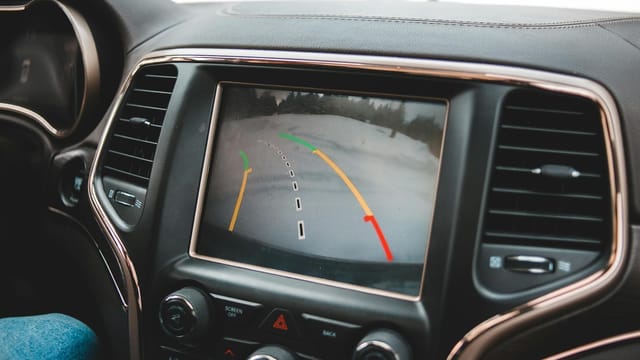
Yuanrong Qixing CEO Zhou Guang urged the rapid advancement of model capabilities to overcome data inefficiencies, long‑tail scenarios and credibility gaps in combined assisted driving systems. He advocates engineering foundational models for traffic safety, and strengthening links between basic research, scenario validation and industrial deployment to ensure safe, reliable rollouts.
Robotaxis on the Road: Rapid Roll‑out Meets a Reality Check on Safety
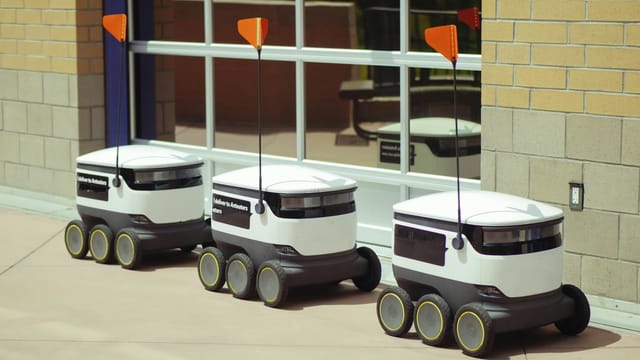
Robotaxi deployments are accelerating worldwide and in China in 2026 as firms from Tesla to Baidu scale fleets and raise capital. However, a series of fires, collisions and sensor failures has exposed technical, regulatory and operational gaps that make widespread public trust premature. The sector’s commercial promise is real, but moving from pilots to safe, public‑facing services depends on tougher oversight, open data and demonstrable improvements in handling rare and hazardous scenarios.
Uber Pours $100m+ into Fast-Charging Hubs as It Prepares for an Electric, Autonomous Fleet
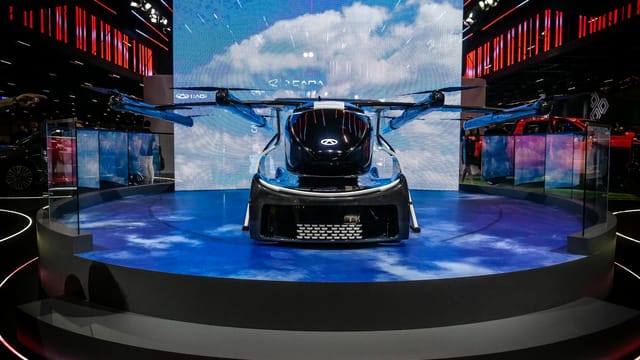
Uber will invest over $100 million to build DC fast-charging hubs for autonomous electric vehicles at its operations bases and along key city routes. The move is intended to reduce vehicle downtime and support a future scale-up of electric, autonomous ride-hailing, but it faces logistical, regulatory and grid-infrastructure challenges.
Driverless, With Help: Waymo Pays Delivery Couriers to Close Car Doors in Atlanta
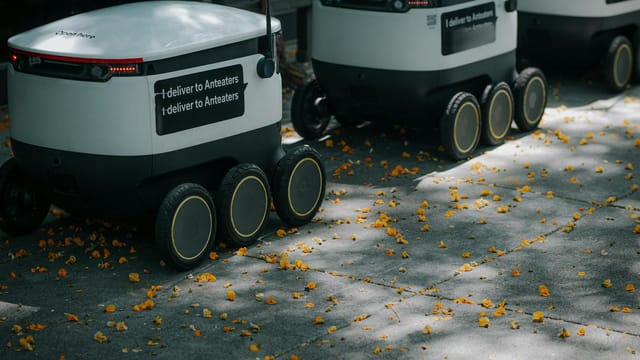
Waymo has begun paying DoorDash couriers in Atlanta to close car doors when passengers leave them ajar, a pragmatic fix for an operational snag that prevents autonomous vehicles from resuming service. The pilot highlights the persistent need for human intervention in advanced automation and raises questions about liability, labor and the pace of engineering solutions.
China Readies L4 Autonomous Bus Pilot in Suzhou as CRRC-Tiantong Partnership Brings Self‑Driving Tech into Public Transit
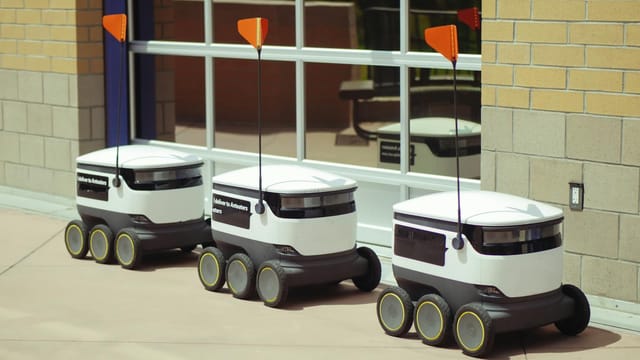
TianTong Weishi and China CRRC plan to deploy Level‑4 autonomous buses in Suzhou’s Taihu New City in Q1 2026, linking a university campus to Metro Line 7. The pilot is a contained, strategic test of driverless public transit that could inform safety rules, urban planning and commercial rollouts if it proves reliable under real‑world conditions.
XPeng Begins Open‑Road Trials of L4‑Capable GX SUV, Packing 3,000 TOPS of Onboard Compute
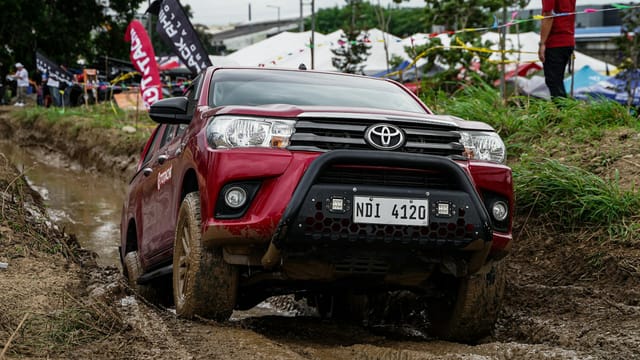
XPeng has started open‑road validation of its GX six‑seat SUV equipped with four Turing chips and roughly 3,000 TOPS of onboard compute, marking a step toward Level‑4 autonomy. The tests in Guangzhou are technical verification rather than an indication of immediate commercial availability, and significant regulatory and safety hurdles remain.

Grab to Distribute Chinese LiDAR Maker Hesai Across Southeast Asia — A Power Play for Mobility Hardware
Hesai has named Grab its exclusive distributor of lidar products across Southeast Asia, leveraging Grab’s platform to commercialise sensing hardware among fleets and logistics operators. The deal promises faster regional deployment but brings integration, regulatory and competitive challenges.
Waymo’s $16bn Windfall: A Record Bet on Robotaxis That Comes with Regulatory Risk
Waymo has secured a record $16 billion financing round valuing the company at about $126 billion, signalling investor confidence in robotaxis. The deal accelerates global expansion plans but arrives amid safety incidents and federal probes that underscore regulatory and operational risks.