
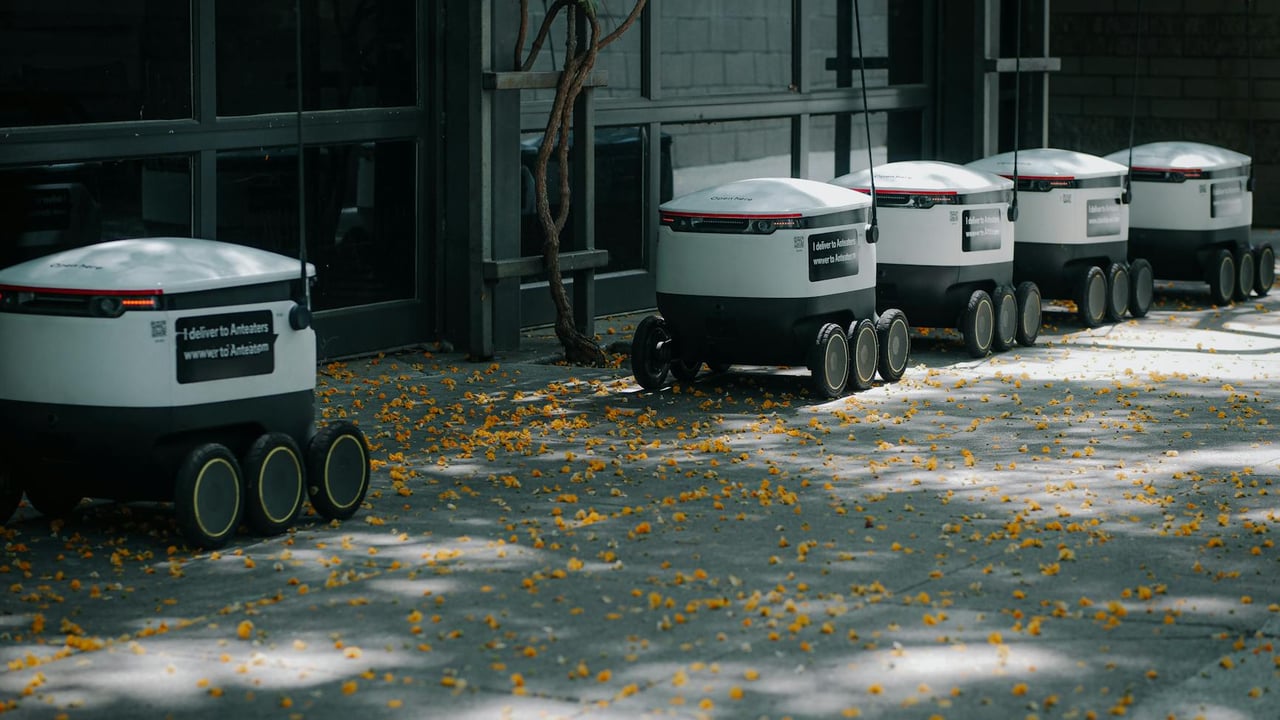

A NetEase post carrying the headline “菜鸟无人车与九识智能战略整合” indicates a strategic consolidation between Cainiao’s unmanned-vehicle operations and Jiushi Intelligent. The original item on the social-media platform offered no substantive details beyond the headline and a standard platform disclaimer, but the move implied by the title is notable given both parties’ roles in China’s logistics and autonomous-vehicle ecosystems.
Cainiao, the logistics arm long linked to Alibaba, has for years invested in robotics and autonomous vehicles to cut labour costs and speed delivery in dense urban and peri-urban environments. Jiushi Intelligent is known in the industry as a developer of perception and autonomy software for low-speed logistics and last-mile vehicles; a closer tie between the two would combine fleet deployment experience and logistics operations with specialist perception and control technology.
If formalised, such an integration would be an example of vertical consolidation that China’s big platform firms have pursued to capture more of the value chain: hardware, software and data would sit closer together, enabling faster iterative improvements, tighter fleet management and potentially lower operating costs. For Cainiao, owning or deeply integrating a core autonomy stack reduces dependency on third-party suppliers and helps standardise fleets across hundreds or thousands of service routes.
The broader sector context sharpens why this matters. China’s last-mile logistics market is enormous and intensely competitive, with well-funded rivals including JD, Meituan and multiple AV startups such as Pony.ai and WeRide all racing to scale pilots into city-wide services. Governments and municipal regulators in China have been relatively receptive to staged deployments of low-speed delivery vehicles, creating a permissive environment for pilots but still demanding safety demonstration and operational transparency.
Beyond operational gains, the strategic consolidation would deepen data advantages. Autonomous delivery improves with scale: more vehicle miles generate richer perception datasets, edge-case scenarios and route-optimisation insights. That data, combined with Cainiao’s order and routing information, would strengthen route planning, energy management and predictive maintenance, and raise the technical bar for challengers without comparable logistics volumes.
There are, however, limits and risks. Integrating teams and technologies is expensive and time-consuming; safety and public acceptance remain hurdles in mixed-traffic urban settings. Geopolitical dynamics and export controls over AI chips and sensors could also restrict hardware options, making software–hardware co-design a strategic necessity but a technically demanding one. Ultimately, the headline signals a pragmatic industry shift: China’s platform logistics groups are moving from trials to operational consolidation, seeking durable advantages through tighter integration of autonomy technology and logistics know‑how.