
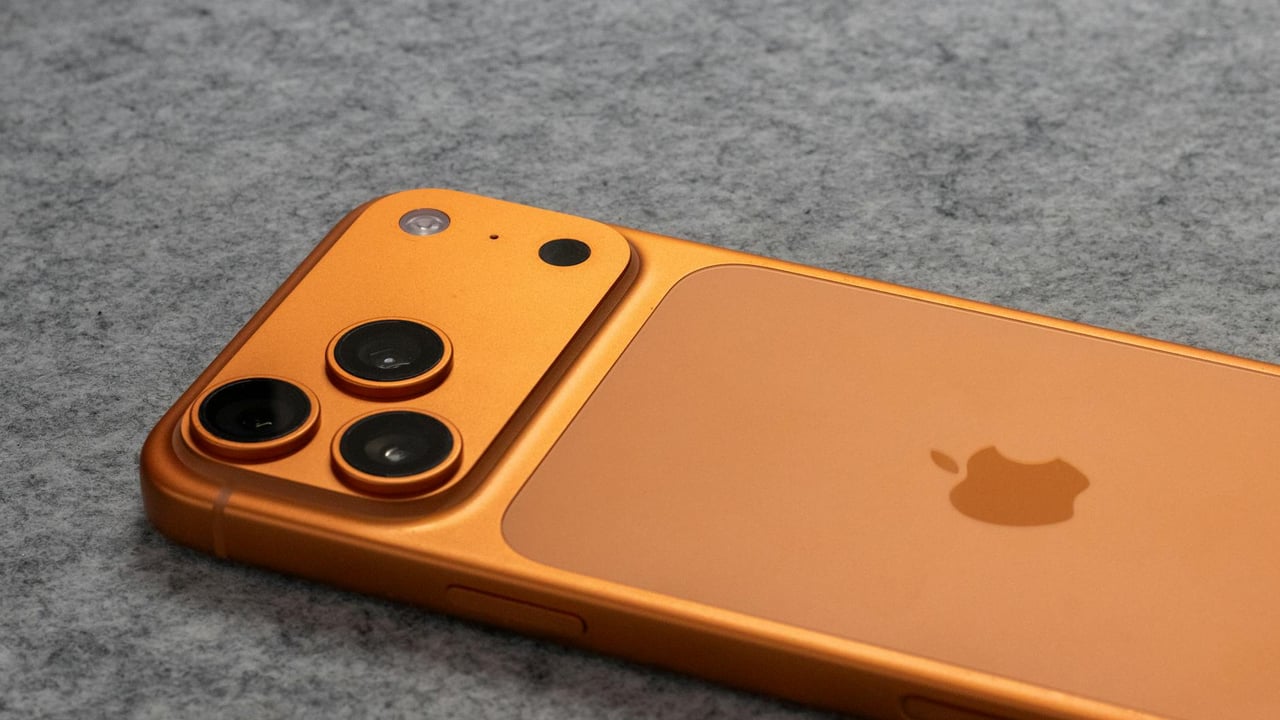

Apple closed its fiscal 2026 first quarter with numbers that few rivals can match: revenue of $143.8 billion, up 16% year‑on‑year, and net income of $42.1 billion. Earnings per share rose to $2.84, a 19% increase, driven overwhelmingly by the iPhone, which generated $85.3 billion in the quarter and posted a 23% revenue jump.
The haul was global: every geographic segment set records, and Greater China was the standout, with sales jumping 38% to $25.5 billion. Apple’s services business — the company’s higher‑margin annuity made up of the App Store, Apple Music, iCloud+, Apple Pay, and related offerings — surpassed $30 billion in a single quarter for the first time, helping lift gross margin to 48.2%.
The consumer story behind the headline is a long‑suppressed upgrade cycle. Many devices bought around 2019–20 reached the end of their useful lives, and the iPhone 17’s substantial camera and design changes catalyzed widespread replacement. Higher‑end models drove the revenue surge: research firms estimate Pro variants accounted for a clear majority of sales in core markets, pushing up average selling prices and gross profit per unit.
Not every product fared equally. iPad sales rose modestly, while Mac revenue fell despite a new M4 chip. The iPhone Air, positioned as a lighter model, underperformed as buyers opted for standard or Pro models that offered better imaging and battery life for the price, demonstrating how consumers still prioritize core capabilities over experimental form factors.
Beyond consumer hardware, Apple’s first‑quarter report signalled a decisive pivot in its AI strategy. Rather than trying to win a race to build the largest foundational models, Apple struck a multi‑year deal to integrate Google’s Gemini models into its Apple Intelligence roadmap and bolstered its own capabilities through acquisitions — notably a near‑$2 billion purchase of Israeli start‑up Q.AI, which develops technology to infer silent speech from facial micro‑movements. Apple’s approach emphasises integration: converting AI models into private, device‑centric experiences across its 2.5 billion active devices.
That strategy comes at a cost. R&D spending jumped almost 32% to $10.89 billion as Apple allocates capital toward AI features and next‑generation experiences. At the same time, a supply‑side shock threatens the upside from premium hardware: a global surge in demand for AI data centre capacity has driven mobile DRAM spot prices up roughly 400% since September 2025, and analysts expect NAND and mobile DRAM prices to rise more than 50% quarter‑on‑quarter.
The economics are stark. Memory content can account for 10–20% of a smartphone’s bill of materials. Apple’s scale and procurement muscle give it some hedging ability, but sustained, sharp increases in memory costs would materially compress margins unless the company raises prices, accepts lower profitability, or reshuffles its product mix. Management has signalled a willingness to invest through the transition, but the market will be watching whether Apple can translate its current cash cushion into a sustainable mid‑term advantage.
For China, the quarter is proof that premium product cycles still matter. Apple captured record upgrade volumes and attracted two‑digit growth in net new users switching from Android. That success buys time and resources as Apple recalibrates across AI and supply‑chain volatility. Yet local competition and tighter regulation remain structural headwinds: Beijing’s market matters enormously, but victory there is no guarantee of immunity from margin pressure or political risk.