
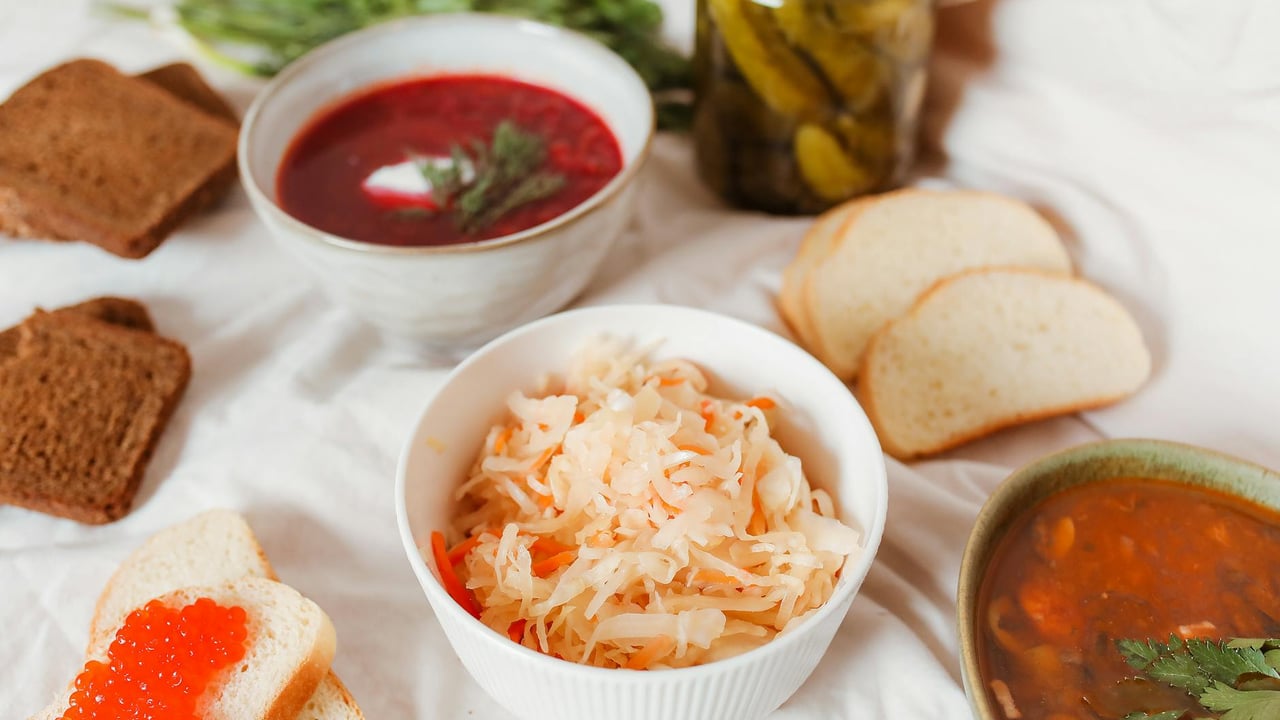

Six major shareholders of Changchun‑based preserved‑vegetable maker Zhu Laoliu completed a coordinated reduction of holdings worth roughly RMB 47.41 million on February 2, marking the latest sign of investor unease at a company long billed as the "pickled‑cabbage leader." The sellers included the controlling shareholder Zhu Xianming, members of his family and two senior executives, who carried out the disposals after a sustained deterioration in the group's operating performance.
Zhu Laoliu, founded in 1991 and known for suan cai (pickled cabbage), fermented bean curd and cooking wine, rose to public attention as an agricultural industry 'dragon' and moved from the NEEQ to the Beijing Stock Exchange in 2021. The company’s struggle is visible in its financials: net profit attributable to shareholders fell from RMB 64.04 million in 2022 to RMB 18.40 million in 2024, a decline of roughly 71% from its recent peak. Revenue and margins have also compressed, with three straight years of falling sales and gross margin sliding from 35.7% in 2021 to 22.2% in 2024.
The sell‑off follows an earlier round of reductions announced in late 2025, when the controlling group disclosed plans to trim holdings by centralized trading or block deals and executed a portion of that plan in November. Those earlier sales reduced the family’s stake modestly, and the February disposals complete a planned exit window that shareholders had signalled in regulatory filings.
The combination of insider selling and weak operating metrics matters for more than one company. Zhu Laoliu is listed on the Beijing Stock Exchange, a market tailored to smaller, often family‑run firms where the actions of controlling shareholders carry outsized signalling power. When founders and senior managers—rather than diversified institutional holders—are net sellers, it raises questions about future capital needs, confidence in turnaround plans and corporate governance.
The slump in profitability points to multiple structural pressures. Compression of gross and net margins suggests rising input costs, increased competition in processed and packaged regional food products, and limits to pricing power for a brand whose core product is a low‑price, bulk commodity. The company will need either a credible cost‑retrenchment and product‑innovation programme or new demand drivers—export pushes, branded premium lines, or alliances—to arrest the decline.
For investors, regulators and sector watchers, the immediate focus will be on forthcoming quarterly results, inventory and receivables trends, and whether management provides a concrete recovery plan. The market reaction to the insiders’ disposals will also test investor appetite for small‑cap, producer‑led food firms on the Beijing Stock Exchange at a time when margins across the industry are under strain.