

China’s top-20 cities by GDP have shown stability at the summit, but the real drama has shifted to the middle ranks where industrial dynamism and policy-backed investment are reshaping the pecking order. In 2025 Hefei and Jinan each recorded GDP of 1.42 trillion yuan, leaving them tied for 18th nationwide; Hefei’s climb from 19th last year is explained less by a sudden leap in size than by faster growth. Across the top 20, 15 cities outpaced the national growth rate, and Hefei led that cohort with a 6.1% expansion.
Hefei’s momentum is rooted in industry. Since breaching the trillion-yuan mark, its secondary sector—particularly regulated industrial output—has consistently outpaced overall GDP, with 2025 industrial value added up 17.6% year-on-year. A cluster of high-value, capital- and technology-intensive sectors—integrated circuits, new displays, new energy vehicles and AI-driven manufacturing (the shorthand “芯屏汽合”)—has moved from fringe to frontline, with computer and electronic equipment manufacturing jumping 60.6% in a single year.
That industrial concentration is no accident: Hefei has used government-guided funds and early-stage investments to seed flagship firms and pull in suppliers, creating dense supply chains and an ecosystem that converts financial support into measurable output. Strategic emerging industries now account for roughly 60% of its regulated industrial output, giving the city a strong growth inertia as capacity continues to come online. Local officials have set a 2026 growth target of at least 5.5%, higher than Jinan’s 5%, and some analysts judge Hefei well placed to overtake Jinan next year.
Jinan’s recent performance looks more mixed. The city has leaned into services—tertiary-industry growth ran at about 6.0% in 2025—and has seen respectable gains in high-tech manufacturing, with equipment and high-tech sectors contributing materially to industrial growth. Yet Jinan’s industrial expansion lacks the same explosive momentum; its transformation from old heavy industries toward green, smart manufacturing is under way but not yet dominant, leaving it vulnerable to cities that are already converting policy support into rapid high-tech output.
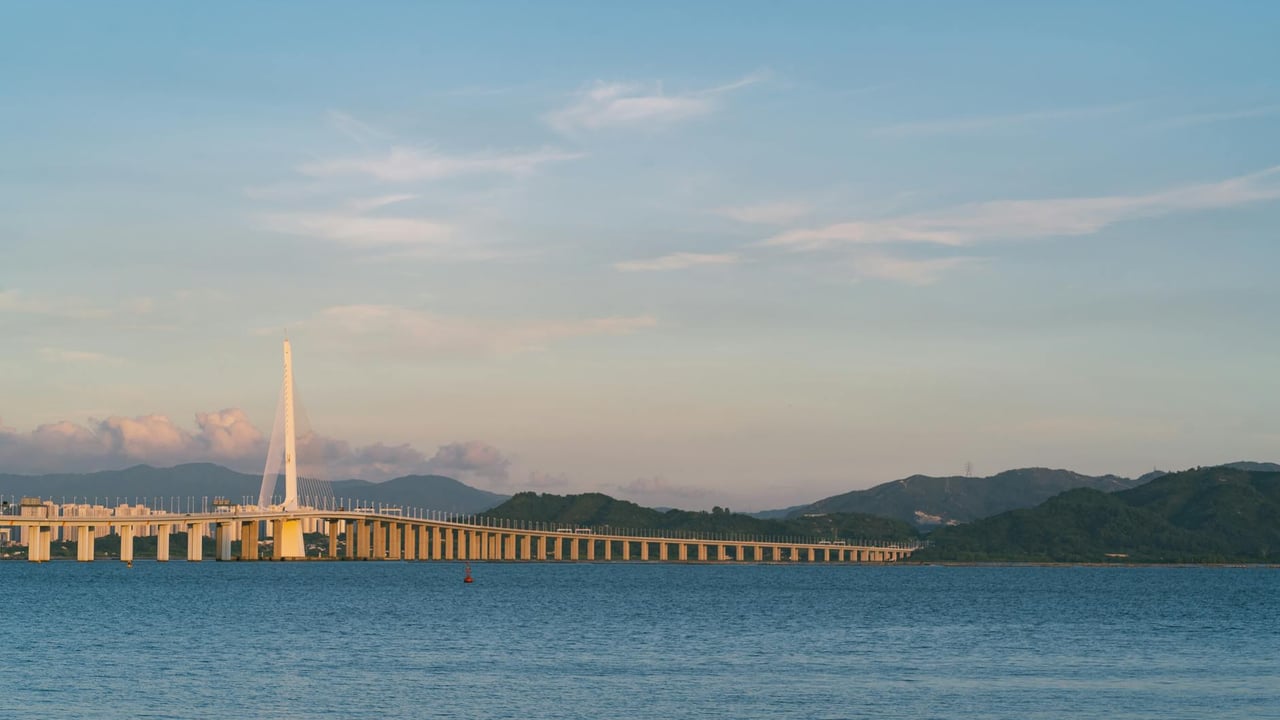
At the top end of the scale, Shenzhen is the most credible candidate to join the 4-trillion-yuan club next year. Its 2025 GDP reached 3.87 trillion yuan, up 5.5% year-on-year, supported by robust consumption, record-setting export performance and a rising share of strategic emerging industries—now about 43% of GDP. Physical constraints are visible: limited land, saturated property and infrastructure have pushed fixed-asset investment down by 21.7% in 2025, but analysts argue this retrenchment is part of a structural shift from heavy-capex growth toward a more balanced model driven by consumption, trade and high-end manufacturing.
The scramble beneath the 2-trillion-yuan threshold is equally consequential for regional development. Nanjing, Ningbo and Tianjin are the headline contenders. Nanjing looks best placed to cross the line in 2026, buoyed by a software industry cluster that has breached the 1-trillion-yuan mark and by strong research credentials. Ningbo’s advantages are industrial and logistical—its port and manufacturing base are formidable—but the city must deepen modern services and move up value chains if it is to escape a “pass-through” role as a corridor for goods rather than a value creator.
Tianjin faces the sternest test: its industrial mix remains heavy on legacy sectors and the pace of upgrading has been judged insufficient. Analysts advise leveraging Tianjin’s port and proximity to Beijing to build a division of labor—basic R&D and idea generation in the capital, industrialisation and scale in Tianjin and production in neighboring Hebei—while developing new growth fronts such as advanced materials, low-orbit space services and commercial aerospace. Across the board, the contest for scale and status is less a zero-sum medal tally than a revealing indicator of where China’s post-pandemic growth engines are forming.
Why this matters beyond regional bragging rights is simple: which cities grow fastest determines where investment, talent and supply-chain capacity concentrate—and that in turn shapes China’s industrial trajectory and global trade patterns. The rise of mid-sized, policy-backed tech hubs such as Hefei signals that industrial policy, strategic finance and focused clustering remain powerful tools for local governments to manufacture growth. For multinational firms and investors, these shifts signal new nodes for partnership and risk: supply-chain resilience, local content requirements and the availability of specialised talent will increasingly vary by city, not just by province.