
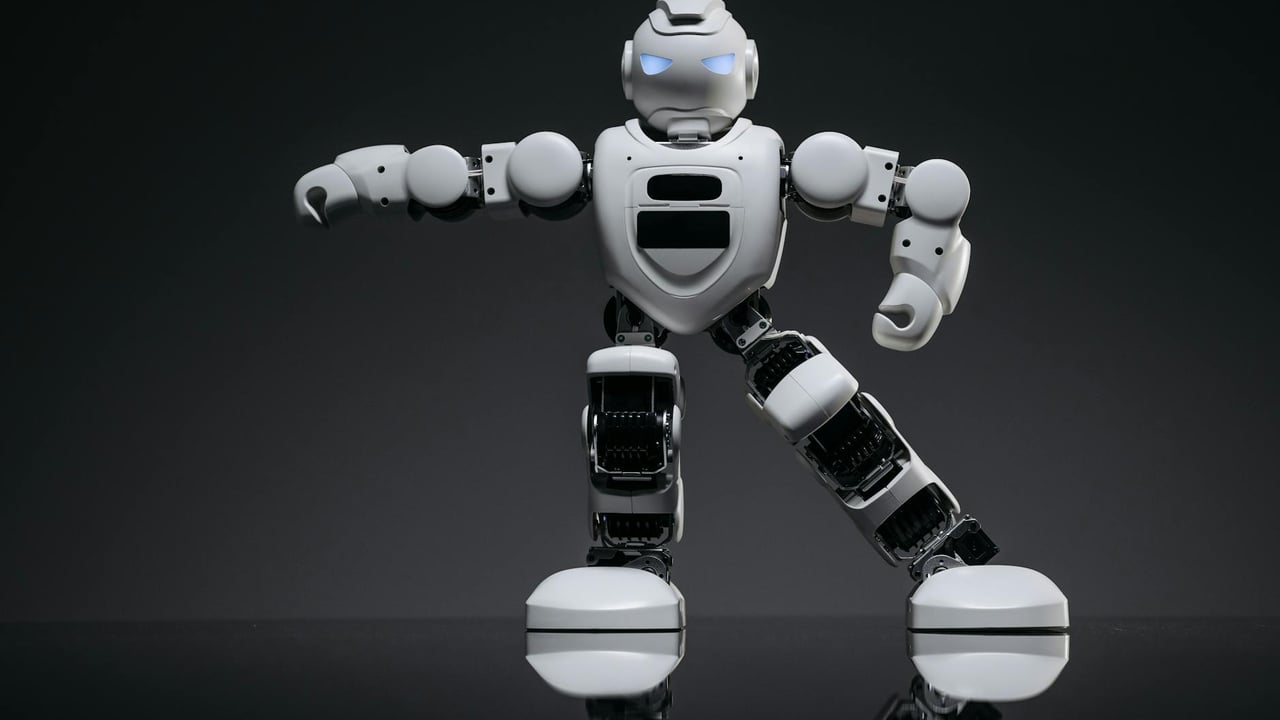

On the evening of February 8 a livestreamed event billed by its organisers as a large-scale international robot gala opened to viewers worldwide, and one of the hosts unveiled a low-cost route for ordinary consumers to interact with robots. Qingtianzu (擎天租), a rental and experiential-services firm, announced a "¥999 national robot experience plan" designed to translate the theatrical abilities on display during the gala into packages for everyday life.
For the fixed fee — roughly $140 — Qingtianzu says customers will be able to access robots and robot-enabled services tailored to common social scenarios: New Year greetings, Valentine’s Day proposals, parent–child interactions and birthday celebrations. The offer is framed as an experiential product: rather than selling hardware outright, the company is packaging staged performance features and choreographies into consumer-facing services for short-term, event-driven usage.
The plan was launched jointly with Zhiyuan Robotics (智元机器人) during the programme, which the organisers promoted as the first global, large-scale robot variety show. The move bridges two current trends in China’s robotics scene: the use of high-profile marketing spectacles to normalise humanoid and service robots, and the emergence of rental or subscription models that sidestep high upfront hardware costs.
At ¥999 the proposition is intentionally affordable relative to the multi‑thousand-dollar price tags attached to many domestic and international robot products. The price point suggests Qingtianzu is betting on volume, repeat bookings and ancillary services rather than unit sales. It also signals an attempt to shift robots from novelty stage acts into ephemeral, social-use products that can be booked for specific moments.
This approach addresses a practical barrier to consumer adoption: most advanced robots remain expensive, delicate and purpose-specific. A rental-and-experience model reduces the commitment required from households and event organisers, while giving companies a way to monetise their demonstration fleets. It also provides a route to gather real-world usage data and feedback without transferring ownership of the machines.
There are, however, clear constraints. Robots that excel in choreographed stage performances do not automatically translate into reliable personal assistants. Safety, durability, ease of operation and meaningful autonomy will determine whether customers come back after an initial novelty booking. Managing expectations will be as important as the price: dissatisfied users could turn short-term publicity into reputational risk.
For international observers the development is notable because it illustrates how Chinese robotics firms are exploring business-model innovation as much as technical progress. Turning robots into services for celebrations and social media moments leverages cultural rhythms and event marketing to accelerate familiarity. If the model scales, it could incubate a larger market for consumer-facing robotic services across hospitality, retail and entertainment.
Qingtianzu’s ¥999 plan is small in monetary terms but significant strategically. It tests whether cheap, time-limited access can convert passive interest into habitual use and recurring revenue, while providing manufacturers with a distribution channel that sits between showroom demos and mass retail. The wider test will be whether these offerings move beyond spectacle to deliver consistent, useful experiences in everyday settings.