
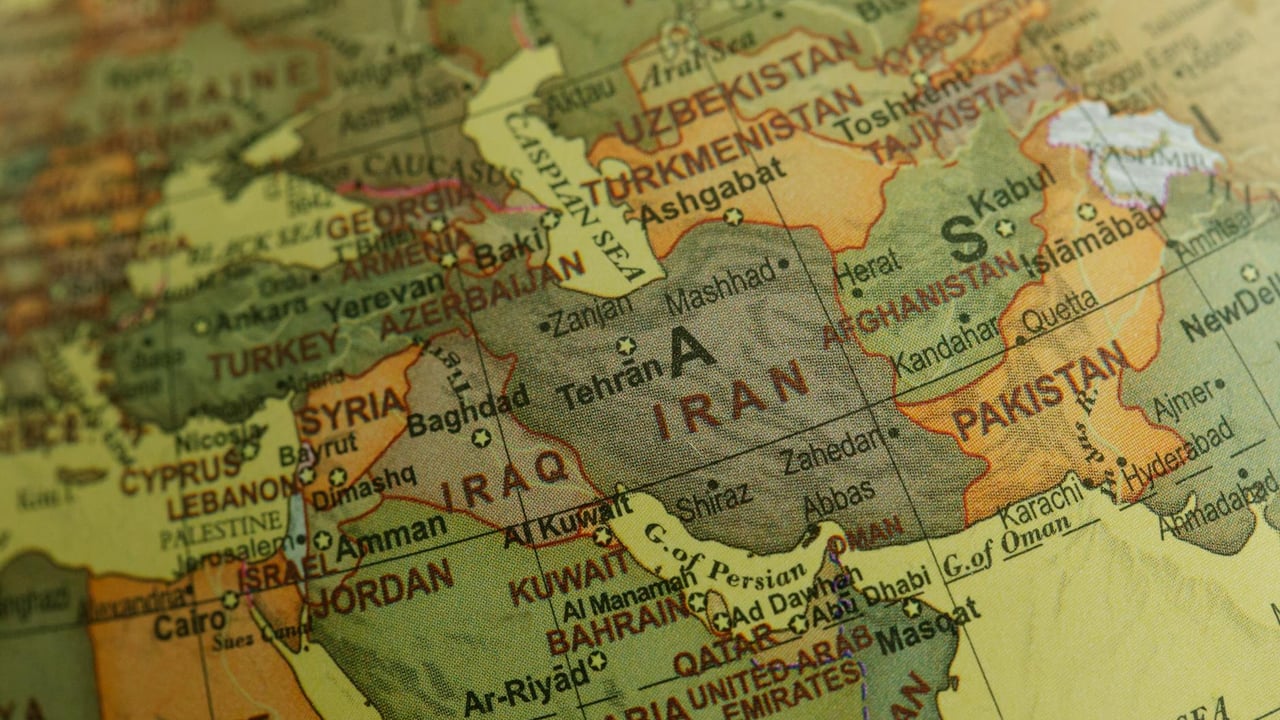

The United States and Iran held a first round of indirect nuclear talks in Muscat on 6 February, and both sides publicly signalled a willingness to continue negotiations. U.S. President Trump said talks will proceed, without identifying a next venue, while Iranian Foreign Minister Alaghezi suggested a second round could take place within days. The meetings were explicitly indirect, reflecting both sides’ desire to manage domestic political costs while testing each other’s positions.
Chinese and regional analysts have framed the Muscat meetings as more than a single diplomatic encounter: they describe Oman’s role as the seat of a newly visible dialogue mechanism. Wang Jin, director of the International Strategic Research Center at Northwest University, told Chinese media that Omani mediation has moved from a discreet, back‑channel function into what appears to be a front‑stage, repeatable framework for U.S.–Iran communication. The visit to Muscat by a senior adviser to Iran’s supreme leader, Larijani, has been cited inside Tehran as a sign of Iranian seriousness about engaging.
The Muscat track follows a turbulent year in which a June 2025 flare‑up involving the United States, Iran and Israel interrupted earlier engagement. Before that crisis, Washington and Tehran were said to have been using public tracks in Doha and European capitals alongside quieter Oman‑mediated contacts. What analysts now describe as a “new” mechanism in Oman looks set to become the principal forum in which the two adversaries can probe each other’s red lines without committing to direct, high‑stakes bargaining.
The move of a dialogue channel from the shadows to a more public setting has practical virtues. It raises the political and diplomatic cost of sudden withdrawal, creates a predictable space for interlocutors to exchange technical positions on nuclear constraints and confidence‑building measures, and gives third parties — notably Gulf states and European mediators — a clearer role in shepherding progress. Oman’s longstanding reputation for quiet mediation and its geographic position make Muscat a plausible venue for sustained indirect engagement.
But visible, repeated talks are not a guarantee of substantive agreement. Indirect formats limit the speed and specificity of bargaining, and both capitals face significant domestic constraints. In Washington, any negotiated arrangement will need to survive partisan scrutiny; in Tehran, the supreme leader and conservative elements retain veto power over major concessions. Regional actors such as Israel and proxy forces across the Middle East could act as spoilers if they perceive negotiations as weakening their security positions.
If the Muscat mechanism endures, its immediate effect will likely be to lower the temperature and reduce the risk of miscalculation. Over time it could produce limited, verifiable confidence‑building measures — pauses on escalatory steps, agreed notification procedures, or narrow technical understandings on enrichment activities. Yet the path to a comprehensive deal remains long and politically fraught: expect incrementalism, contingent reciprocity, and prolonged negotiation rather than a rapid breakthrough.