
# Larijani
Latest news and articles about Larijani
Total: 10 articles found
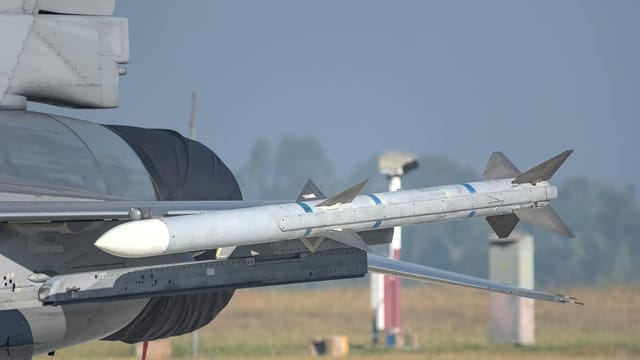
Iran Embarks on 61st Wave of Retaliatory Strikes, Unveils ‘Castle‑Breaker’ Missile in Response to Larijani Killing
Iran announced a 61st wave of retaliatory strikes using a weapon it calls the “Castle‑Breaker,” framing the action as revenge for the killing of a senior figure named Larijani. The move is part of a deliberate, sustained campaign of calibrated reprisals that raises regional tensions and the risk of miscalculation without yet provoking a full‑scale war.

Battle of Narratives: Iran’s Claim of 500 U.S. Dead Raises Stakes in Mid‑East Conflict
An Iranian security chief’s claim that over 500 U.S. troops were killed in recent Middle East clashes has collided with a U.S. Central Command report confirming six deaths, underscoring a high‑stakes information war. The episode highlights how divergent casualty narratives can shape domestic opinion, alliance cohesion and crisis management amid rising regional attacks on U.S. bases.

Clerical Hardliners Surge in Tehran — What a Larijani-Led Iran Means for Global Oil and China
A SoBiz analysis frames Iran’s post-Khamenei succession as a decisive victory for the clerical-security establishment after National Security Council secretary Larijani publicly rejected negotiations with the United States. The shift raises the probability of a prolonged regional conflict, pushes oil prices higher, and poses manageable but significant economic and strategic challenges for China.

Iran Says It Is Targeting US Bases, Not Gulf Governments — A Warning with Wide Ripples
Iran has publicly framed recent strikes on military facilities in Gulf countries as attacks on US territory rather than on host governments, saying it does not intend to target Gulf rulers. The posture aims to deter further US action while complicating Gulf states’ security relationship with Washington and raising the risk of continued tit-for-tat escalation in the region.
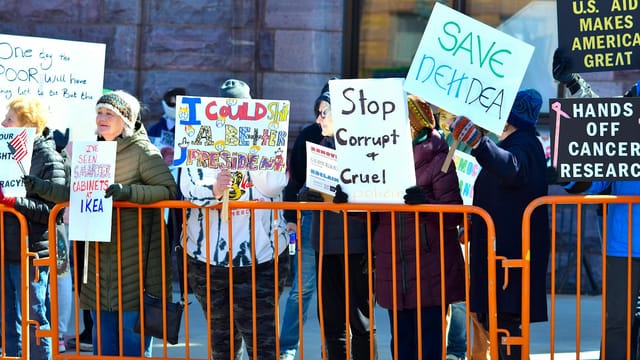
Trump Sets One‑Month Deadline for Iran Deal as Tehran Says No U.S. Message Was Sent
President Trump has set a roughly one‑month timeline for a U.S. deal with Iran, warning of severe consequences if talks fail. Iran says it received no direct U.S. message — only Omani notes — and both sides say they want to continue indirect negotiations while conducting internal consultations. The mix of public ultimatums, Israeli red lines and a stepped‑up U.S. military presence raises the risk that diplomatic pressure could harden stances or lead to escalation.
Trump Weighs Another Carrier Strike Group as Tehran Signals Conditional Willingness to Continue Talks
President Trump said he may send another U.S. carrier strike group to the Middle East if talks with Iran fail, while a carrier strike group centered on the Abraham Lincoln is already in the CENTCOM area. Iranian officials denounced Israeli attempts to pull the U.S. into conflict but said talks with Washington have made progress and could expand beyond the nuclear file if negotiations succeed.
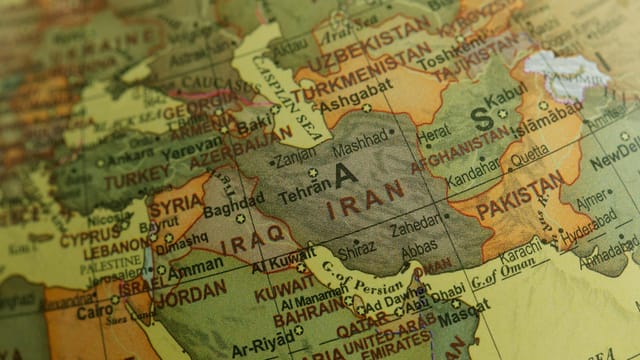
Muscat Talks Signal New U.S.–Iran Dialogue Track, Raising Hopes — and Risks — for De‑Escalation
A first round of indirect U.S.–Iran nuclear talks in Muscat has produced unusually positive public signals from both sides and appears to have established a new, more visible dialogue mechanism under Omani mediation. While this reduces short‑term escalation risks, substantive agreement will be hard to achieve quickly given domestic constraints and regional spoilers.
Iran's Dual Track: Offering Dialogue While Drilling In for a Fight
Iran is simultaneously signaling willingness to negotiate with the United States over nuclear issues while publicly reaffirming military readiness and core red lines. Regional intermediaries like Oman are facilitating indirect talks, but continuing US pressure and Israeli demands risk undermining progress unless both sides adopt reciprocal confidence‑building measures.

Iran’s Larijani Warns Washington to Snub Israeli Pressure on Nuclear Talks Ahead of Netanyahu Visit
Ali Larijani, Iran’s Supreme National Security Council secretary, publicly urged the U.S. to be wary of Israel’s influence as Prime Minister Netanyahu heads to Washington, accusing Israel of a ‘‘destructive’’ role in shaping nuclear-talks frameworks. The warning highlights Tehran’s concern that Israeli pressure could skew U.S. policy on Iran’s nuclear program and complicate diplomacy.

Talks Open but Trenches Deepen: U.S. and Iran Signal Willingness Amid Stark Differences
Both Washington and Tehran have publicly signalled willingness to enter talks on nuclear, missile and proxy issues, but deep disagreements over demands, sequencing and verification make successful negotiations uncertain. Military posturing and strict U.S. conditions fuel Iranian scepticism, leaving the region under continued diplomatic and security strain.