PLA Hospital Deepens Front‑line Care: High‑altitude, TB and Telemedicine Drives to Boost Troop Readiness

The PLA General Hospital’s Eighth Medical Center has institutionalised regular medical patrols and specialist outreach — including high‑altitude respiratory care, tuberculosis screening, heatstroke training and telemedicine — to improve the health and readiness of garrisoned troops. The programme reduces evacuations, enhances frontline medical skills, and reflects wider PLA priorities on force readiness and distributed care.

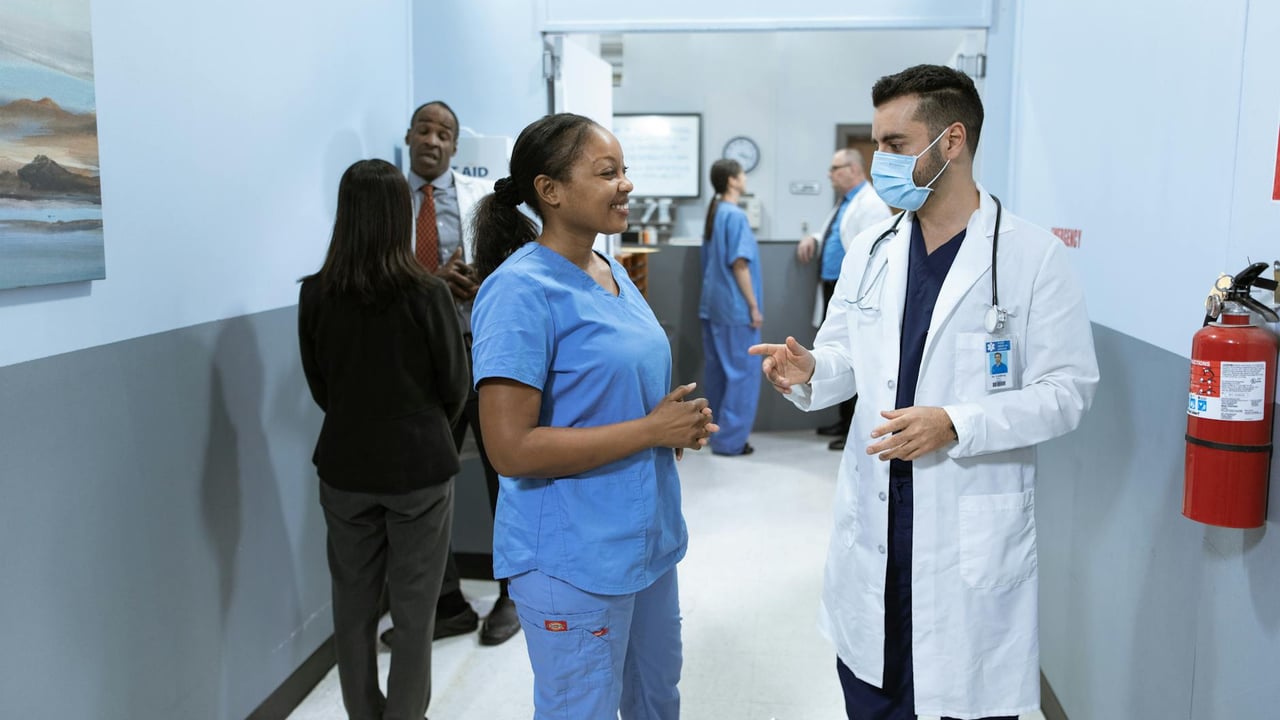
Doctors and nurses in a hospital hallway discussing medical matters.

Key Takeaways

  • 1An eight‑person medical team from the PLA General Hospital Eighth Medical Center conducted health checks and education for over 300 troops at an information‑support battalion.
  • 2The center organises weekly clinical patrols, dispatches specialists to posts above 5,000m, runs heatstroke first‑aid training, and screens new recruits annually for tuberculosis.
  • 3Remote consultation systems link frontier garrison medical units to the central hospital, allowing high‑quality care without troop movement.
  • 4The center has been repeatedly recognised as an ‘advanced hospital’ within the armed forces for its role in serving military units.

Editor's
Desk

Strategic Analysis

The hospital’s sustained outreach programme illustrates a pragmatic strand of PLA modernisation that often receives less attention than platforms and weapons: building medical resilience and distributed care to keep forces healthy and deployable. By combining preventive screening, specialist deployments to extreme environments, skills training for frontline medics, and telemedicine, the PLA reduces non‑combat attrition and logistical burden while reinforcing political legitimacy through visible welfare provision. Expect further investments in telehealth, integrated civil‑military medical networks, and mobile capabilities tailored to frontier theaters — moves that will make Chinese forces more sustainable on extended deployments and complicate adversaries’ assumptions about Chinese operational endurance.

China Daily Brief Editorial
Strategic Insight
China Daily Brief

A medical team from the PLA General Hospital’s Eighth Medical Center recently dispatched eight specialists to an information‑support battalion, conducting checkups and health education for more than 300 servicemen and women. The visit is one element of a steady outreach programme: the center organizes weekly clinical patrols to garrisons and has been repeatedly recognized within the armed forces for its contributions to troop health.

The center has tailored services to the operational demands of frontier and high‑altitude postings. Teams of respiratory, critical‑care and tuberculosis specialists have traveled to outposts above 5,000 metres to perform examinations and deliver prevention briefings; the hospital also runs heatstroke prevention training for frontline medics and screens every new recruit for tuberculosis each year. For border and remote units, the center has set up remote consultation links with garrison hospitals so soldiers can receive high‑quality care without leaving their compounds.

These activities matter because they intersect public‑health practice with military readiness. Preventive screening, targeted training in heat‑related illness, and rapid telemedicine support reduce the need for medical evacuations and shorten recovery times, preserving unit cohesion and combat power. The focus on respiratory and tuberculosis care reflects both the challenges of high‑altitude physiology and ongoing Chinese public‑health priorities; keeping infectious‑disease risks under control in mobilised forces has clear operational implications.

Institutional recognition of the center as an “advanced hospital” for serving units underscores Beijing’s sustained investment in the health of its armed forces. For an army modernising its training cycles, logistics and expeditionary posture, distributed medical capacity — from in‑person patrols to remote consultations — is a force multiplier. At the same time, these programmes serve a domestic political purpose by demonstrating institutional care for servicemembers and by tightening the integration of military and civilian medical resources.

Share Article

Related Articles

📰
No related articles found