
# military medicine
Latest news and articles about military medicine
Total: 4 articles found
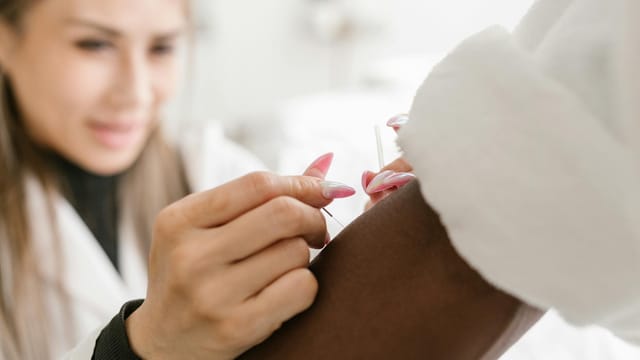
A Silver Needle for Readiness: How a PLA Acupuncturist Rewrote Military Medicine in the Field
Guan Ling, head of acupuncture at the PLA General Hospital, has developed an anatomy‑informed “structural acupuncture” approach that she and state outlets credit with reducing training injuries and drug use across pilot units. Her work — delivered in deserts, highlands and aboard ships — has been scaled through a large training programme that aims to keep minor injuries treatable at the unit level and protect combat readiness. The initiative highlights the PLA’s pragmatic integration of traditional Chinese medicine into force health protection while raising questions about the need for independent clinical validation.
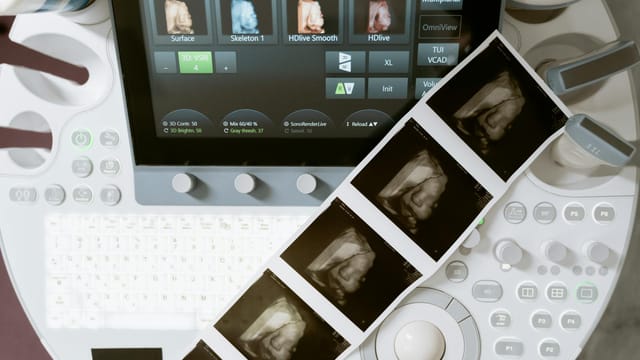
Operating-Theatre Tutelage: How a Visiting Professor Is Building Micro‑Intervention Capacity in Sichuan’s Military Hospital
A visiting professor from a top military hospital has transformed surgical practice at a provincial military hospital in Sichuan by using hands‑on, bedside mentorship to build local capacity in ultrasound‑guided minimally invasive procedures. The programme has reduced referrals to higher centres and instilled a culture of problem‑solving that favours micro‑invasive options when clinically appropriate.
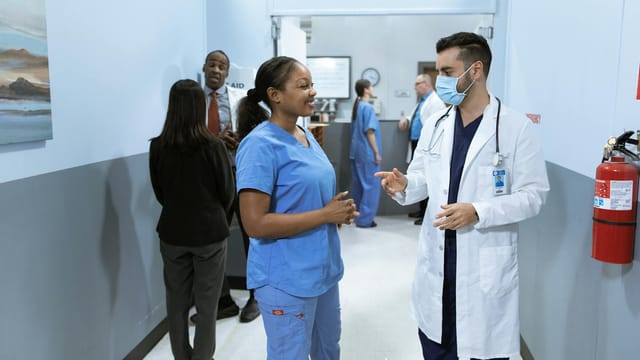
PLA Hospital Deepens Front‑line Care: High‑altitude, TB and Telemedicine Drives to Boost Troop Readiness
The PLA General Hospital’s Eighth Medical Center has institutionalised regular medical patrols and specialist outreach — including high‑altitude respiratory care, tuberculosis screening, heatstroke training and telemedicine — to improve the health and readiness of garrisoned troops. The programme reduces evacuations, enhances frontline medical skills, and reflects wider PLA priorities on force readiness and distributed care.
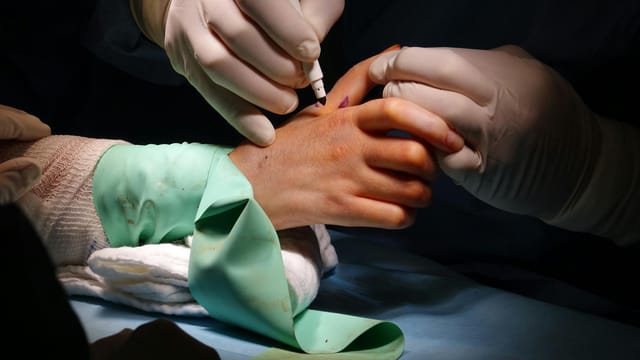
Battlefield Doctors: How a PLA PhD Team Is Remaking Military Medicine for ‘Winning’ Wars
A nine-member PhD-led medical team at the PLA’s 80th Group Army Hospital is fusing frontline training and applied research to overhaul battlefield trauma care. Their work—ranging from 3D-printed fracture planning to sensor-driven psychological monitoring—is shortening treatment times and improving casualty survival under austere, combat-like conditions.