
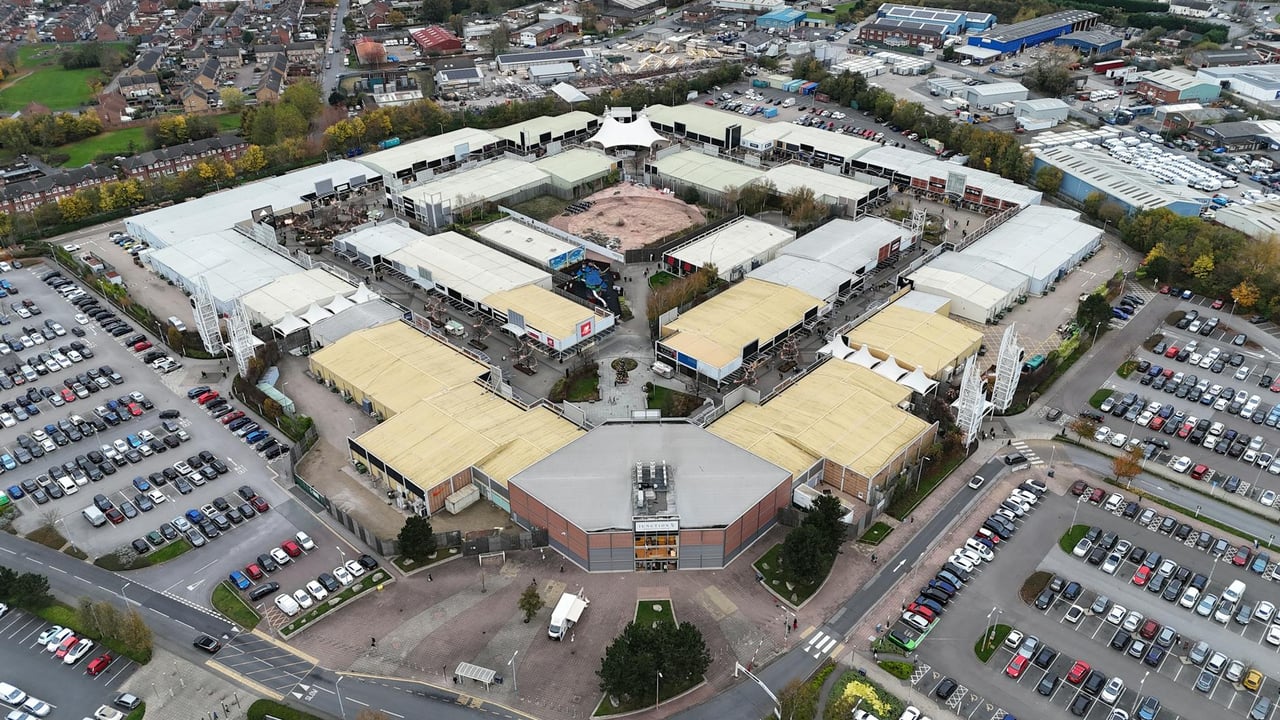

On a recent holiday morning in Guangzhou, an outlet centre looked less like a sleepy suburban retail park and more like a stadium concourse: shoppers elbowing past one another, queues snaking toward shop doors and car parks spilling over with licence plates from other provinces. Across the country, new and expanded outlet developments in Hangzhou, Yangzhou and Wuhan reported record footfall and sales, even as many downtown luxury malls continue to struggle with high vacancy and subdued traffic.
The phenomenon is not just a seasonal fluke. Outlets have quietly become a preferred destination for a mix of middle‑income, middle‑aged and family shoppers who are seeking a particular combination of value, variety and reassurance. The architecture — open‑air, boxy layouts that feel less claustrophobic than traditional malls — clusters brands so customers can compare quickly, while guaranteed brand authenticity plus visible markdowns reduce the gamble of buying clothing and shoes.
The shopping patterns are shifting in ways that matter. Middle‑aged men, long caricatured as indifferent mall customers, now show up in groups carrying heavy shopping bags; retired couples make long drives from county towns to buy mid‑priced outdoor and leisure brands. Younger urban shoppers, fatigued by opaque algorithmic pricing and poor returns from online fast fashion, are also returning to physical stores for size certainty and immediate gratification.
Retailers and developers are betting hard on those impulses. Total outlets sales in China nearly doubled between 2021 and 2025, from roughly RMB 126 billion to RMB 248 billion, and a wave of projects from national chains to new entrants is under construction. Established outlet operators are expanding, while conglomerates and tech firms such as China Resources, Deji and JD are entering the field, treating outlets as a frontline battleground for suburban consumers.
The appeal is experiential as much as transactional. Modern outlet complexes increasingly position themselves as near‑suburban leisure destinations that combine shopping with children’s play areas, restaurants, fitness and cultural events — a weekend outing rather than a one‑off purchase. For families with cars and time, the trip offers a packaged day of entertainment plus perceived value purchases, an attractive alternative to crowded downtown malls or the gamble of online purchases.
But the boom has its tensions. Some shoppers complain that promotional language is sometimes misleading and that an increasing share of showroom floors now carry full‑price or lightly discounted new merchandise. That erosion of trust pushes savvy consumers toward factory stores or away from outlets altogether, even as others accept higher temperature retail theatre for reliable bargains. Developers risk overbuilding in the suburbs and diluting the very pricing clarity that made outlets popular.
The broader implications reach beyond retail. The outlet boom rewires urban consumption geography, shifting footfall, transport flows and local employment toward suburban nodes. Brands find a more direct route to cash‑conscious customers and a place to clear inventory without damaging city‑centre images. Regulators and consumer groups may soon turn their attention to discount transparency and advertising claims as the sector's scale increases.
For now, the marketplace has delivered a simple cultural message: many Chinese consumers want tangible quality at visible discounts, and they are willing to travel and spend time to get it. Whether the outlet model will maintain both its growth and credibility will depend on how developers balance expansion with genuine value and how brands and regulators respond to complaints about opaque pricing and promotional tactics.