
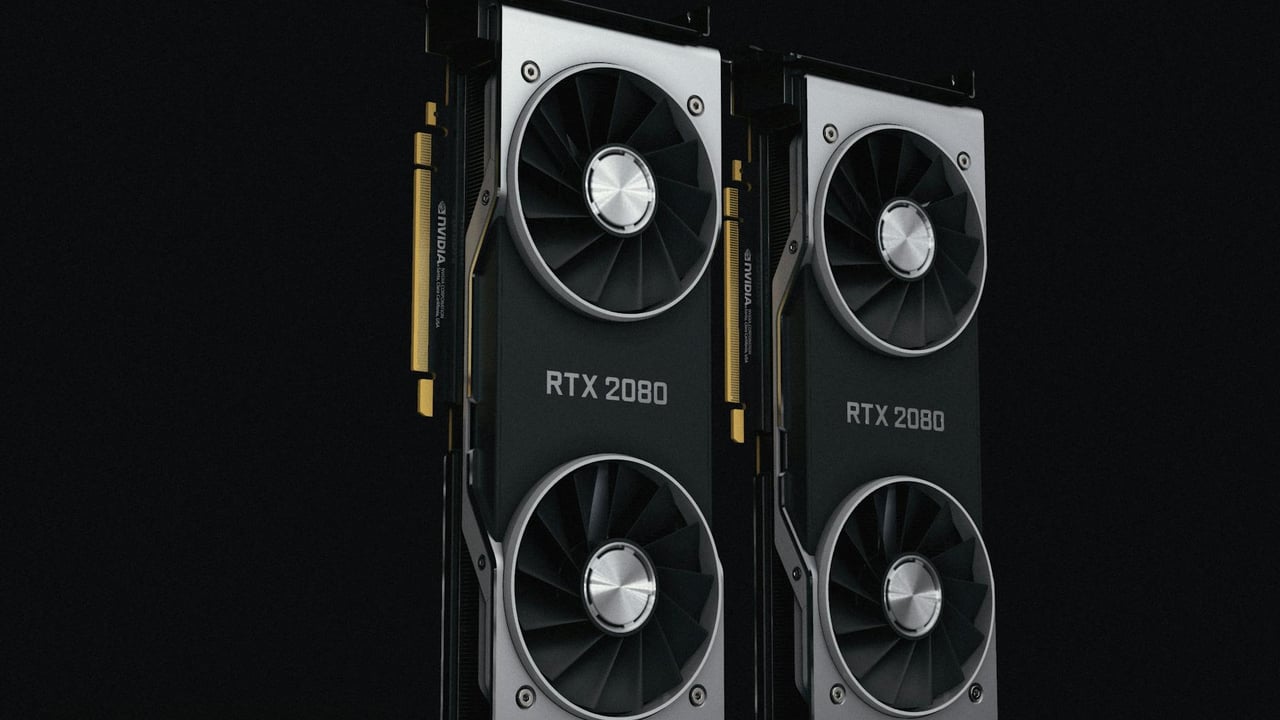

Nvidia and Meta have announced a multi‑year strategic partnership that will knit together on‑premises deployments, cloud services and the AI infrastructure that powers modern large language models. Under the agreement, Meta will deploy what the companies describe as millions of Nvidia chips across its data centres and cloud arrangements, a scale that underscores the sprawling compute needs of today's generative‑AI ambitions.
The deal formalises an increasingly intimate commercial relationship between the world's leading GPU designer and one of the largest consumers of AI compute. Nvidia's accelerators sit at the centre of the current AI stack: they are the workhorses for training and inference of large models, and recent product generations have focused on raw throughput, interconnect bandwidth and software ecosystems that make model development faster and more efficient.
For Meta, the arrangement is about supply certainty and optimisation. The social‑media giant, which has been building out its Llama family of models and investing heavily in AI features across Facebook, Instagram and Reality Labs, needs predictable, high‑performance hardware to train ever‑larger models and to serve low‑latency inference to billions of users. Combining local deployments with cloud resources lets Meta balance cost, latency and control while scaling experiments and production workloads.
The pact also has industry‑wide ramifications. A committed, large‑scale buyer like Meta strengthens Nvidia's market position and complicates the calculus for rivals such as AMD and any emerging custom‑chip challengers. It will squeeze global GPU supply, influence cloud providers' offerings and likely accelerate investments in data‑centre networking, power and cooling — the hidden costs of running models at scale.
Beyond technology and markets, there are geopolitical and regulatory angles. Large orders concentrated with a single U.S. vendor reinforce America's lead in AI hardware, a fact that will attract scrutiny from competitors and regulators concerned about concentration risks. Meanwhile, the environmental footprint of expanding GPU fleets — and the energy policy and corporate governance questions that follow — will demand attention from investors and governments alike.
If the headline is about hardware, the subtext is about strategy: Meta is betting that controlling the pipeline from silicon to service will be decisive in the next phase of consumer and developer AI products. For Nvidia, locking in marquee customers and diversifying deployment models cements its role as the indispensable infrastructure provider of the era.