
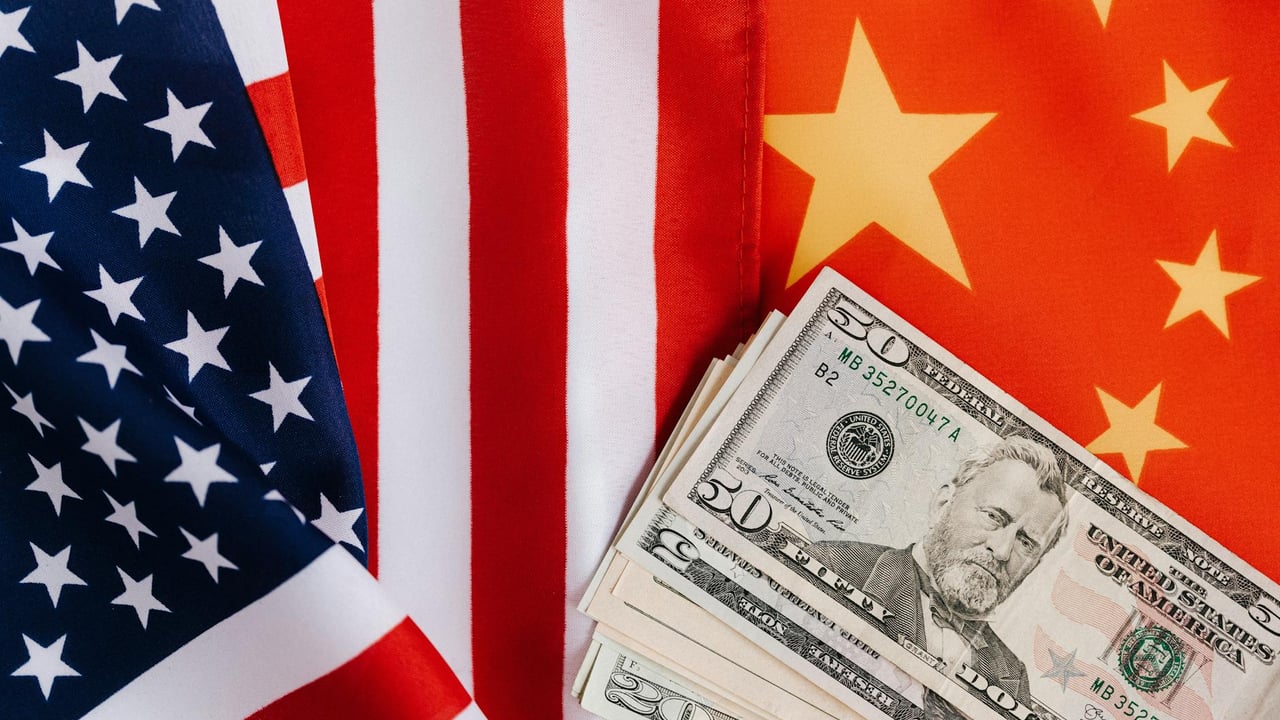

The Biden administration’s successor tariff strategy is taking shape in public and in fragments. After the U.S. Supreme Court struck down the White House’s earlier emergency ‘‘reciprocal’’ tariffs, the administration has pressed ahead with a 10% global temporary tariff that came into force this week while signalling it will lift duties on selected countries to 15% or higher. At the same time, the U.S. Trade Representative said Beijing will not face new levies beyond the current baseline, citing President Trump’s planned visit to China and a desire to honour bilateral understandings.
USTR Jamison Greer framed the shift as legal and tactical. With the court decision closing one statutory route, the administration has pivoted to a patchwork of other trade laws — notably Section 122 (short-term remedies), Section 301 (action against ‘‘unfair trade practices’’) and the old Section 338 — to rebuild a tariff architecture that can target specific countries and sectors. Greer emphasised that the 10% temporary charge is already in place while 301 investigations will be used to justify more permanent, targeted duties against countries accused of overcapacity, forced labour in supply chains, discrimination against U.S. tech firms, or subsidising key food and seafood sectors.
Greer refused to name the countries that will see duties raised to 15% or above, but he repeatedly highlighted complaints that the administration has long levelled at China and certain regional manufacturing hubs. At the same time he told U.S. media the administration does not intend to raise tariffs on Chinese goods above current levels, invoking both diplomatic timing — a planned presidential visit to Beijing — and promises made in recent trade understandings.
Beijing has vocally rejected the premise of ‘‘overcapacity’’ as a catch-all justification for tariffs, urging market-based analysis and respect for global supply‑chain dynamics. China’s foreign ministry also confirmed that leaders are in communication over a possible bilateral meeting. The diplomatic choreography — warm words about a state visit coupled with public threats of expanded tariffs — has exposed a tension at the heart of U.S. policy: preserving leverage while avoiding a full escalation with an interlocutor Washington says it hopes to negotiate with.
The uncertainty is worrying Washington’s partners. European officials have already paused domestic ratification work on an EU-U.S. trade framework pending clarity on how American tariff changes will square with commitments made last year. Washington has pressed allies and partners to honour concessions they agreed to in recent deals, and President Trump threatened sanctions against any country he judges to be ‘‘playing games’’ over the Supreme Court ruling. That dynamic risks fraying fragile cooperation on supply‑chain security and climate-linked trade provisions.
Beyond Section 301, the administration has flagged other legal instruments. Section 232, the national‑security trade authority, is being considered for additional industry levies on sectors including large batteries, cast‑iron components, plastic piping, industrial chemicals and grid and telecom equipment. Officials are reportedly eyeing further probes into semiconductors, pharmaceuticals, drones, industrial robotics and polysilicon for solar panels. Section 338 remains on the books as a blunt instrument that could, in narrow circumstances of discrimination, allow duties as high as 50%.
For businesses and markets, the consequence is a new layer of policy unpredictability. Companies will face a complex calculus of possible tariff escalations, bilateral enforcement through 301 probes and the spectre of targeted ‘‘232’’ tariffs wrapped in national‑security rationales. That will accelerate supply‑chain diversification and push more firms to hedge volatility by shifting sourcing or increasing near‑shoring, while also multiplying the legal fights that trade lawyers and courts will have to resolve.
The administration’s mixed messaging — signalling both restraint toward China and a readiness to increase tariffs elsewhere — is a tactical attempt to keep maximum leverage while reducing the near‑term risk of a damaging U.S.-China rupture. How that balance holds will depend on which countries are singled out for higher duties, the findings of pending 301 investigations and whether partners accept U.S. interpretations of their trade practices. For markets and diplomats alike, the coming months will reveal whether Washington can reassemble a legally defensible, politically durable tariff toolkit or merely deepen international trade fragmentation.