

China’s Commerce Ministry used its regular briefing on 26 February to frame recent export-control moves against Japanese entities as a defensive step against what Beijing calls Tokyo’s “re-militarisation” and nascent nuclear ambitions. The ministry argued the listings, announced on 24 February, are aimed at stemming an escalation that Beijing sees as a threat to regional stability, framing the measures as lawful and consistent with non-proliferation obligations.
In Beijing, the Standing Committee of the 14th National People’s Congress met on 25–26 February and put a draft revision of the Certified Public Accountants Law before lawmakers for the first time. The proposed changes aim to tighten professional behaviour, strengthen oversight and expand penalties, signalling Beijing’s impatience with regulatory gaps in a finance sector that must underpin longer-term market confidence.
Markets showed a mixed response on 26 February: the Shanghai composite was flat, Shenzhen and the tech-heavy ChiNext dipped slightly intraday, and overall trading turnover rose to Rmb2.54 trillion. The market’s breadth was weak, with more than 2,800 stocks falling, a reminder that regulatory signals and headline risks are still shaping investor sentiment.
A sharper, more structural development is playing out in chip prices. After a rebound in late 2024, DRAM and NAND prices have climbed for several consecutive quarters and accelerated in early 2026. Industry sources told Chinese media that smartphone memory procurement costs are more than 80% higher than a year ago, prompting major handset makers from OPPO to Xiaomi to prepare a coordinated round of price increases in March — the largest such adjustment in five years.
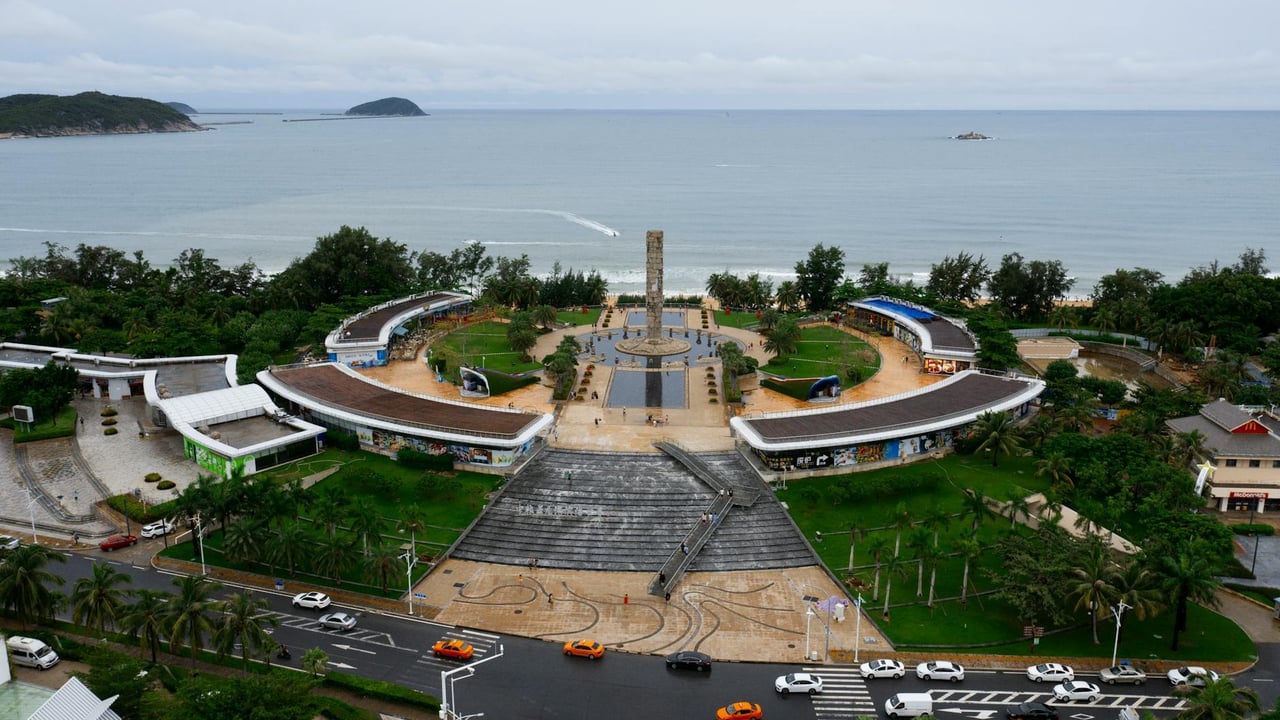
Regulatory enforcement in the Hainan free-trade port turned punitive this week after local authorities investigated a widely shared social-media complaint about a Sanya homestay cancelling a reservation priced at Rmb8,499. Hainan’s market regulator and intellectual-property office concluded the operator breached contract terms and harmed consumer rights, proposing a Rmb350,000 penalty, revoking the business licence and adding the operator to a serious-dishonour registry. The move underscores Beijing’s determination to protect the image and rule-of-law credentials of its marquee Free Trade Port.
Corporate governance and investor protections also made news. Appliance giant Gree revealed that its largest shareholder, Zhuhai Mingjun, plans to offload up to about 2% of the company’s free float within a roughly three-month window to repay bank loans. Separately, a compensation process opened on 26 February for investors affected by a valuation adjustment to the Guotou Silver LOF fund, with online verification routed through an Alipay mini-program.
Tech-sector reliability and model safety surfaced in two different stories. Tencent’s Yuanbao AI produced profane language in a user’s holiday poster, prompting Tencent to acknowledge a multi-turn dialogue error, apologise and roll out fixes. The episode is another reminder that even domestically developed large models face context-handling and safety problems. Overseas, a human-interest report about chronic failures of toilets aboard the US aircraft carrier Gerald R. Ford — sometimes requiring expensive chemical unclogging — has become shorthand for questions about expensive defence platforms and maintenance challenges.
Taken together, these items sketch a China that is simultaneously projecting regulatory toughness, managing market sensitivities and confronting supply-chain shocks. Export controls and tougher audit rules will shape geopolitics and governance, while rising component costs and a potential synchronized wave of smartphone price rises will test demand and corporate margins. At the same time, high-profile enforcement in Hainan signals that authorities are prepared to use punitive measures to protect the broader business climate in projects that carry political significance.