
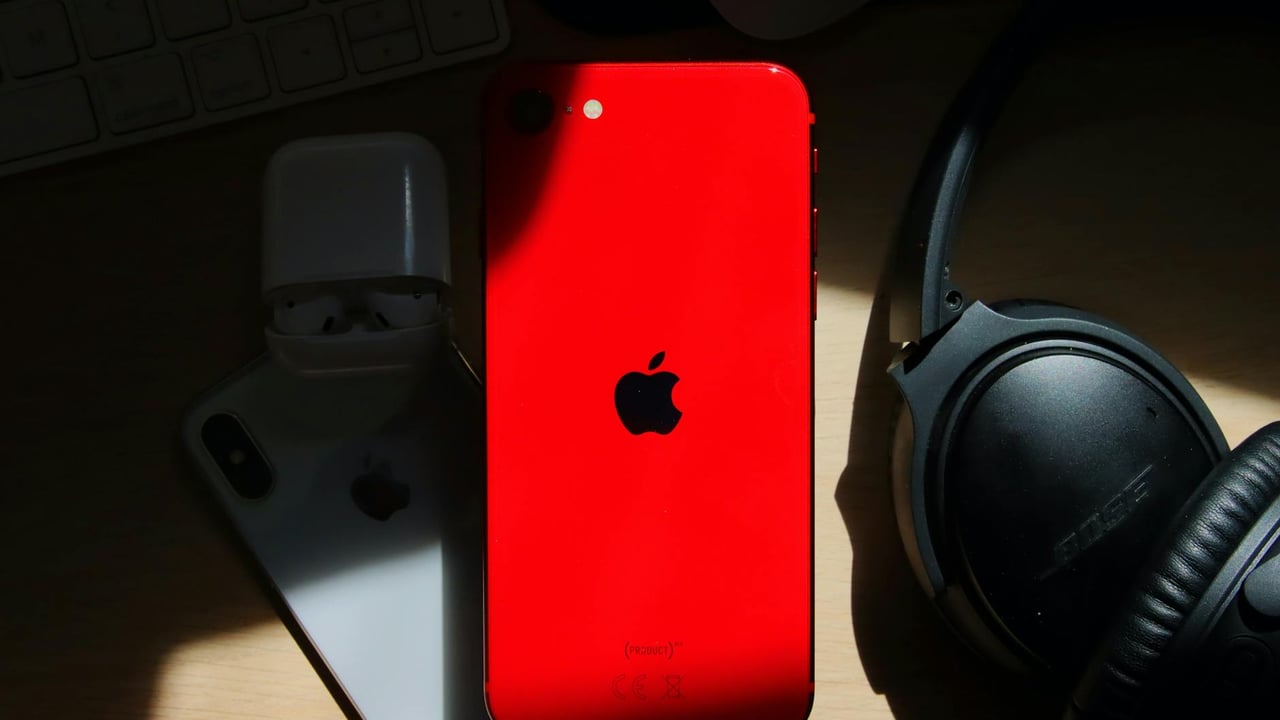

Apple has quietly posted a new model, the iPhone 17e, on its China website with a starting price of 4,499 yuan and a minimum storage configuration of 256GB. The page shows that pre‑orders will be accepted from the evening of March 4 at 22:15 Beijing time. The notice carrying that information appears as a user‑uploaded post on the NetEase platform and includes the platform's standard disclaimer that it is merely hosting the content.
At 4,499 yuan (roughly US$620), the 17e is positioned below Apple’s top‑line Pro models but above the very cheapest smartphones sold in China, signalling a deliberate mid‑market play. The decision to begin the lineup at 256GB of storage is noteworthy: it raises the baseline storage compared with many prior “entry” iPhone variants, suggesting Apple is combining a lower headline price with a higher‑capacity default to better match Chinese consumer expectations.
The timing and presentation are typical of Apple’s product cadence in recent years: new variants and price points rolled out in China with limited fanfare on the local website before broader marketing. For Apple, China remains an indispensable market both for sales volume and for prestige, and incremental models such as the 17e help the company cover more price‑sensitive segments without altering the premium positioning of its flagship devices.
For domestic rivals, the 17e represents both an opportunity and a threat. Lower‑priced Apple models can blunt the price advantage historically enjoyed by Chinese brands, forcing them to compete on features, software experience or aggressive promotions. Conversely, if Apple succeeds in aggregating demand around a higher base storage and a lower sticker price, it may pull some buyers up the value ladder and sustain average selling prices.
Readers should note the source: the item was posted on NetEase’s social publishing platform rather than released as an official Apple press statement. That means some details may still be provisional and additional specifications, carrier offers and government‑level subsidies could alter the effective price consumers pay between now and the pre‑order date.
Taken together, the listing of the iPhone 17e in China is less a dramatic product debut than a calculated commercial manoeuvre: a competitive price point, an elevated base storage and a measured rollout that lets Apple test demand and channel dynamics in its most important market outside the United States.