

Apple opened a spring product wave on Monday by quietly expanding its lower-price line-up. The company listed the iPhone 17e on its Chinese website, offering the entry‑level model in 256GB and 512GB configurations — both starting at the same yuan price as last year’s base iPhone 16e — and announced a preorder window ahead of a March 11 retail launch.
The headline change is simple but salient: the 256GB iPhone 17e replaces last year’s 128GB base model at the identical starting price of ¥4,499. Apple has fitted the 17e with the same A19 processor found in the standard iPhone 17 and upgraded the cellular modem to an in‑house C1X chip that the company says doubles the performance of the prior C1 modem.
Physically, the 17e retains a 6.1‑inch Super Retina XDR panel and a 48‑megapixel main camera, while lacking high refresh‑rate support and Apple’s Dynamic Island interface that distinguish higher‑tier models. It does, however, gain MagSafe wireless charging at up to 15W and adopts a tougher ceramic front — features that bring it closer to the standard iPhone 17 in two conspicuous ways.
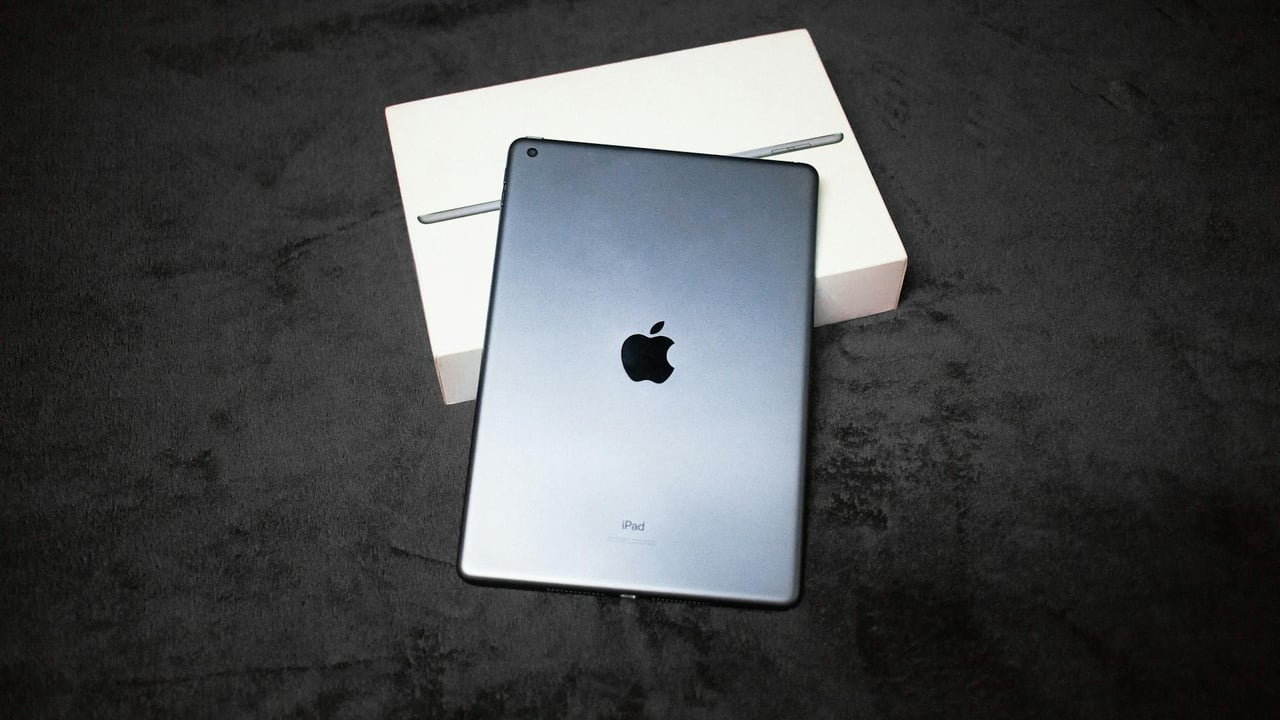
Apple also refreshed the iPad Air, keeping the external design of the M3 generation but swapping in an M4 chip Apple says delivers up to 30 percent faster performance. The new Air adds the C1X modem, an N1 wireless chip and Wi‑Fi 7 support; prices remain unchanged, with the 11‑inch model starting at ¥4,799 and the 13‑inch at ¥6,499.
The moves are calculated for a market where consumers are increasingly price‑sensitive. Technology journalist Mark Gurman framed the 17e as a competitor to Samsung’s midrange phones and Google’s A‑series devices, and suggested the model may be especially attractive in emerging markets such as India where buyers buy on price rather than prestige alone.
Beyond immediate product specs, the launches hint at a broader strategy: Apple appears willing to shift more capability down the price ladder rather than merely segmenting features strictly by price tier. The result is a tighter competitive squeeze on Android rivals in the midrange while preserving the company’s ability to upsell customers to premium models through camera, battery and screen differentials.
Those differential choices also illuminate Apple’s engineering priorities. Investing in its own modem technology and pairing flagship silicon with lower‑cost hardware lets Apple control key elements of performance and supply. The company signalled that this event is the first in a sequence of near‑term product drops, with further announcements expected in the following days, potentially including an entry‑level MacBook using an iPhone‑class chip.
For consumers, the launches are a modest win: more storage and a few flagship features without a price rise. For rivals and component suppliers, they are a reminder that Apple can alter value propositions quickly, compressing the feature premium on higher‑end models and forcing competitors to either cut prices, add features, or accept narrowing margins.