

At the opening of the National People’s Congress session, Xiaomi founder and national legislator Lei Jun submitted five policy proposals that crystallise a practical, industry‑facing agenda for China’s next phase of high‑tech industrialisation. Framed around an "AI+" vision and the concept of "new quality productive forces," the proposals target humanoid robots in manufacturing, traffic safety and education for intelligent vehicles, the institutional support of technology philanthropy, and the upgrading of industrial tourism.
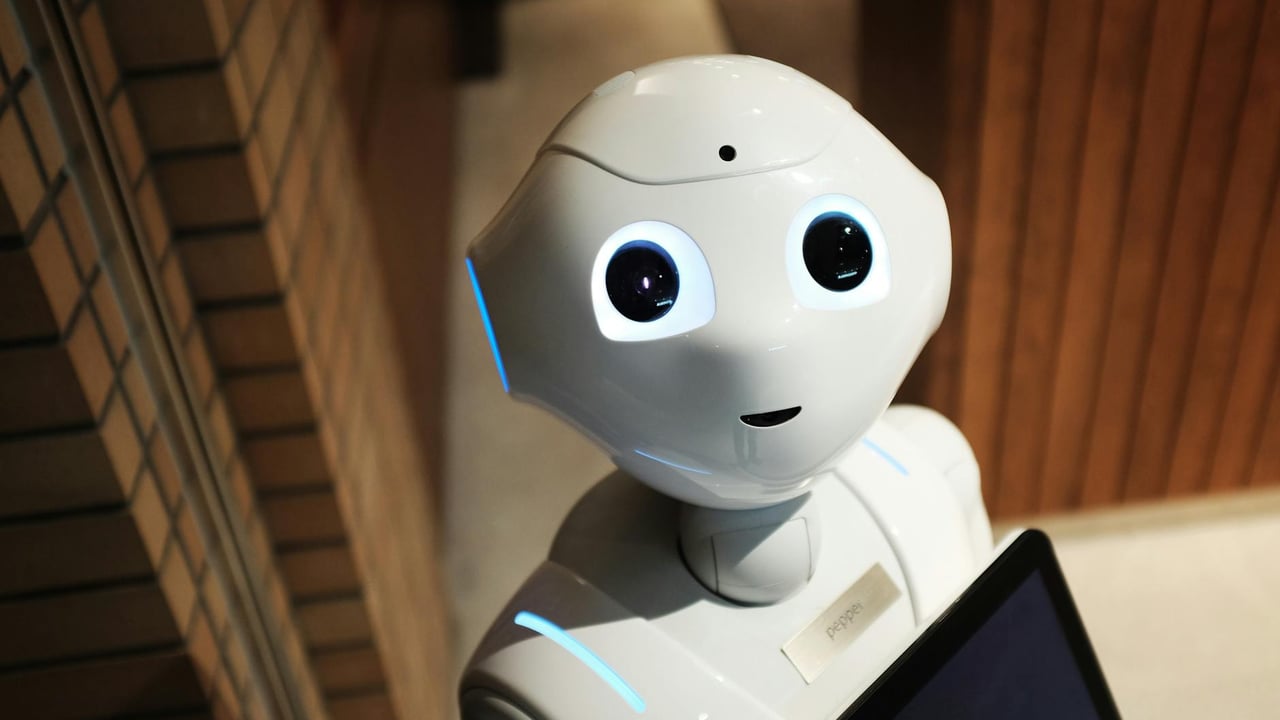
Lei’s headline demand is forceful: accelerate the engineering and industrial deployment of general‑purpose humanoid robots so they move from being “apprentices” to “formal workers.” He sets concrete engineering targets — reaching mean time between failures above 10,000 hours and task success rates over 99% in defined factory scenarios by 2027 — and calls for policy nudges to lower unit costs, expand pilot deployment on production lines and build full‑robot assembly lines where feasible.
The proposals also press for a safety and governance framework: a unique coding system for humanoid robots, stronger data‑security and ethical safeguards, and a push to lead international standard‑setting for "humanoid robot + intelligent manufacturing" solutions. Lei explicitly links faster commercialisation to China’s ability to export higher‑value robotics and to shape global norms rather than simply follow them.
On the roads, Lei’s interventions are similarly pragmatic. Noting that advanced driver assistance systems (ADAS) have penetrated more than 60% of new passenger cars in the first seven months of 2025 and that L2 has become commonplace while L3 and L4 trials expand, he argues for an urgent update to the traffic safety ecosystem. His proposals include adding smart‑driving content to driver tests, penalising misuse such as "hands‑off, eyes‑off" behaviour under L2 assistance, clarifying L3/L4 safety rules, and assigning clearer responsibilities to automakers over correct consumer guidance.
To tackle a parallel skills bottleneck, Lei proposes elevating "intelligent electric vehicles" to a national first‑level discipline, adopting "dual‑mentor" and practice‑heavy training modes, and deepening industry‑education integration to close an estimated talent shortfall that runs into the hundreds of thousands or more. Separately, he urges policy changes to enable philanthropic foundations to fund long‑cycle, high‑risk basic research and to ease administrative procedures, and recommends measures to revitalise industrial tourism as a showcase for "China Intelligent Manufacturing."
The combined thrust is unmistakable: marry near‑term industrial engineering milestones with governance upgrades so that China’s emergent robotics and smart‑driving industries scale safely and competitively. For international observers, the proposals signal Beijing‑adjacent industry leaders organising private‑sector momentum behind standards and regulatory demands, using the NPC platform to convert technical roadmaps into public policy priorities.
Why this matters: China has moved from experiment to deployment in both embodied AI and vehicle automation. Lei’s plan attempts to manage three intertwined risks — technical fragility, public safety and workforce displacement — while maximising the geopolitical and commercial upside of being a standards‑shaping exporter. The policy prescriptions are narrow and operational, reflecting a shift in Chinese tech policy from foundational research rhetoric to factory‑floor and roadway implementation.