

A year after Xiaomi’s SU7 electric sedan ignited a wave of enthusiasm and briefly propelled founder Lei Jun into the headlines as an instant, if fleeting, “China richest” sensation, the company’s stock has come under sustained pressure. Shares slid from above HK$60 to about HK$32, a near 47% fall, and several major brokerages have cut price targets and earnings forecasts, signalling that the market no longer expects a straight run of growth.
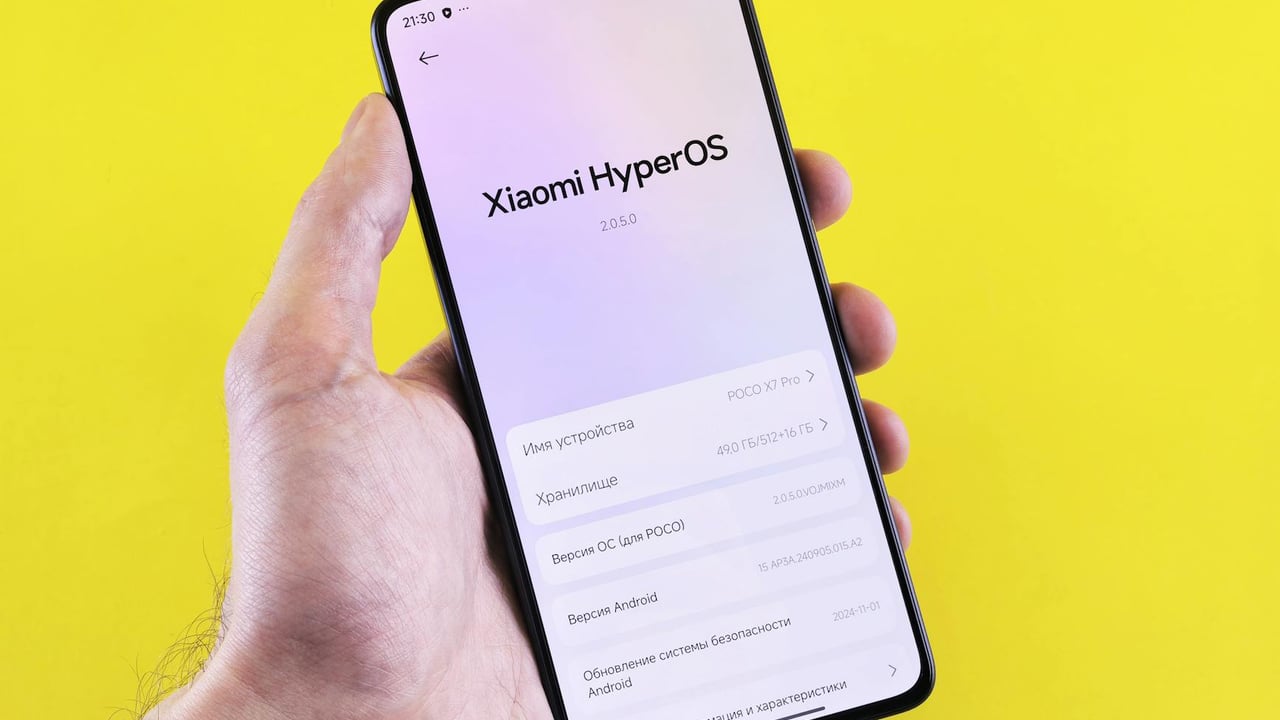
The issues are structural as well as cyclical. Xiaomi’s core smartphone business is being hit by a “cost tsunami” in memory chips: DRAM and NAND prices have surged 80–100% since the first half of 2025 amid an AI-driven demand boom, and Citi projects further large increases into 2026. That has lifted the share of storage in a handset’s bill of materials from roughly 10–15% to near 30%, squeezing margins at the same time the company faces fierce domestic competition.
Xiaomi has pursued higher-end phones in recent years, but that strategy is now colliding with Huawei’s renewed push into premium devices. Switching consumer preferences, an intense domestic price war, and constrained pricing power mean Xiaomi may have little room to pass on rising component costs. JPMorgan now pegs Xiaomi’s smartphone gross margin as low as 8–9% by mid-2026 — levels that would transform the business from a profit engine into one flirting with breakeven.
The electric vehicle arm’s early momentum has also softened. While the SU7 sold strongly on launch, deliveries and wait times have receded from their peaks: order lead times have shortened from more than 30 weeks to roughly 15–17 weeks, an early indicator that retail demand is cooling. A string of public-relations setbacks — a highway crash, a hood-lift incident and accusations of copying — has dented consumer sentiment and raised questions about brand durability.
External forces compound the company’s domestic challenges. Rising U.S. Treasury yields and a stronger dollar after a delay in expected Fed easing have prompted foreign investors to reduce holdings of Chinese tech names, tightening liquidity in Hong Kong and lowering sector valuations. Funds have rotated toward higher-dividend defensive plays such as energy and banks, leaving high-growth Chinese technology companies vulnerable to a valuation reset.
Analyst reactions have been swift. Jefferies cut its Xiaomi target price to HK$30.45 on March 4, Huatai Securities trimmed earnings and set a HK$43 target, and JPMorgan reduced its target to HK$38 while moving to a neutral stance. A number of institutions have trimmed profit forecasts even where they stopped short of downgrades, reflecting consensus that Xiaomi’s near-term earnings trajectory will be weaker than previously modelled.
For global investors and competitors, Xiaomi’s predicament matters because it is a bellwether for several converging trends: the margin impact of an AI-driven memory cycle on consumer electronics, the challenge of upgrading a value-brand into the premium tier in a crowded domestic market, and the vulnerability of capital markets to macro shifts. How Xiaomi reacts — whether by accepting lower margins to protect share, accelerating vertical integration, or pushing for higher-margin software and services — will shape not only its own valuation but also perceptions of the wider Chinese tech ecosystem.