

Uni‑President’s China business reported revenue of RMB31.714 billion in 2025, a 4.6% year‑on‑year rise that keeps the food and drink giant above the RMB30 billion threshold it first breached in 2024. Net profit attributable to shareholders rose 10.9% to RMB2.05 billion, a result the company calls hard‑won amid a year of ‘‘challenge and deep change’’. Investors responded coolly: the stock ticked up only modestly after the results and swung during the trading day, reflecting anxiety about the sustainability of growth.
The company declared a cash dividend equal to 100% of distributable earnings, totaling about RMB2.05 billion, a pro‑investor move that has not assuaged smaller shareholders worried about underlying momentum. Management said it is reallocating resources to higher‑potential segments and tightening product assortments to defend the core business, while keeping a disciplined approach to promotion and marketing spend. Cost discipline helped lift gross margin slightly to 33.2%, aided also by softer prices for some commodity inputs last year.
Beverages remain Uni‑President’s backbone, accounting for RMB19.471 billion or about 61.4% of group revenue, but growth in drinks slowed sharply to 1.2% in 2025 from 8.2% a year earlier. Tea drinks are central to the portfolio and delivered RMB8.802 billion, yet their growth decelerated to 2.6% as competitors and new entrants push no‑ and low‑sugar formats and premium positioning. Management plans to double down on its green tea franchise and expand matrixed, low‑sugar offerings while pressing growth in instant milk tea and other ready‑to‑drink niches.
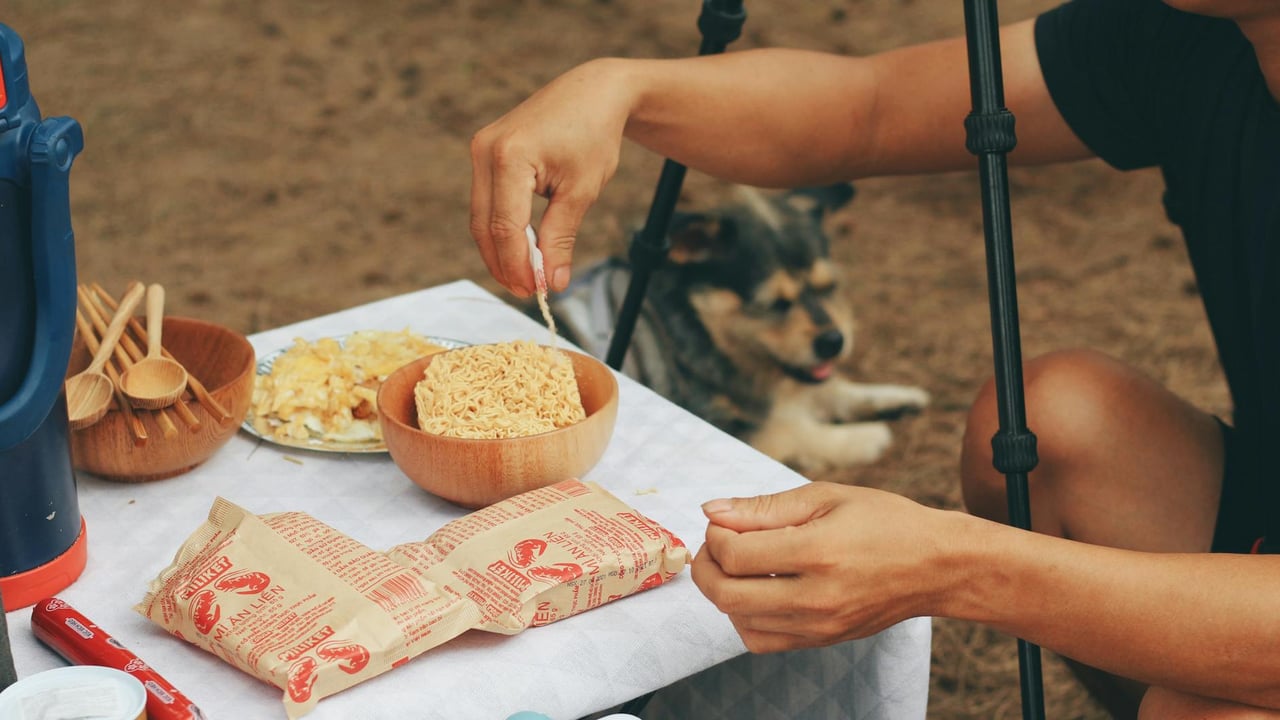
Instant noodles, the company’s second‑largest business, appears to have recovered into triple‑digit RMB scale again in 2025 after falling below RMB10 billion in 2022–24, helped by perennial hits such as Uni‑President’s pickled cabbage beef and other core SKUs. Still, the overall category is under pressure: China’s instant noodle consumption fell to 43.8 billion packs in 2024 and the market is now squeezed by pre‑prepared meals, food delivery and changing meal habits. Firms are pursuing premiumisation and product innovation—more expensive SKUs and functional attributes such as reduced oil and added probiotics—but such moves face copycat competition and mixed payoffs.
Competition is intensifying. Market leader Tingyi‑Master Kong retains the top share, while Baixiang Foods has surged with bold, niche‑flavoured launches and closed the gap on Uni‑President, which held roughly 18.1% market share in the first half of 2025 versus Baixiang’s 15.1%. Analysts at UBS have trimmed their earnings forecasts for Uni‑President’s China unit, cutting 2026–28 per‑share profit estimates by 13–14% and lowering their price target from HK$10.5 to HK$9, citing continued category commoditisation and short‑term headwinds in the drinks business.
The company’s operational levers are familiar: portfolio pruning, targeted investment behind high‑potential SKUs, tighter trade and promotion spending, and product premiumisation where the market will bear it. Last year Uni‑President raised the share of products priced above RMB5 to 21%, showing that the company can lift ASPs in the right segments. But the instant‑noodle market’s shrinkage and the crowded drinks space mean gains will be incremental and uneven across channels.
For investors and strategists, the results underscore a classic consumer staples puzzle in China: steady aggregate sales and margins can mask a tougher competitive map where scale is necessary but not sufficient. Uni‑President’s figures show it can defend base volumes and margins for now, but sustaining mid‑single‑digit revenue growth in a structurally shifting market will demand faster innovation, sharper brand differentiation and distribution finesse. The 100% payout signals confidence and returns cash to shareholders, but also raises questions about the balance between rewarding holders and funding the product and channel investments needed for the next leg of growth.
Uni‑President’s China unit is both a story of resilience and a case study in the limits of scale amid changing tastes. Its near‑term task is to convert its sizeable beverage franchise into sustained growth engines while extracting more durable value from noodles by upgrading offerings, defending margins and differentiating against aggressive rivals. How the company executes on those fronts will determine whether its RMB30‑plus billion plateau becomes a springboard or a ceiling.