
# premiumisation
Latest news and articles about premiumisation
Total: 11 articles found

Uni‑President’s Growth Stalls: Drinks Slow as Instant Noodles Shoulder the Load — but Profits Remain Fragile
Uni‑President China posted moderate revenue growth in 2025 while its long‑standing beverage engine stalled and the food division, led by premium instant noodles, delivered the year’s growth. Heavy channel investment, intensifying competition from fresh‑tea and premium juice players, and low margin contribution from food leave Uni‑President short of its aggressive growth goals and dependent on costly strategic pivots.

Why China’s Laopu Gold Just Hiked Prices by 20–30% — and Customers Keep Buying
Laopu Gold’s 20–30% price rise at the start of 2026 produced a buying frenzy rather than deterring customers, underscoring the brand’s transition from jeweller to luxury-asset maker. Strong resale demand and elevated gold prices have reinforced the perception of jewellery as an investable, appreciating good, but rising raw-material costs and intensifying competition threaten margins and the sustainability of the model.

Kao Pulls KATE’s Online Flagships from China as It Repositions Upmarket
Kao’s KATE will close its Tmall and Douyin flagship stores on 1 April 2026 as part of an online channel optimisation tied to the group’s wider premiumisation strategy. The move reflects mounting pressure on foreign mass-market cosmetics in China from local rivals and costly platform dynamics, even as Kao retains other China operations and aims to prioritise higher-margin brands.
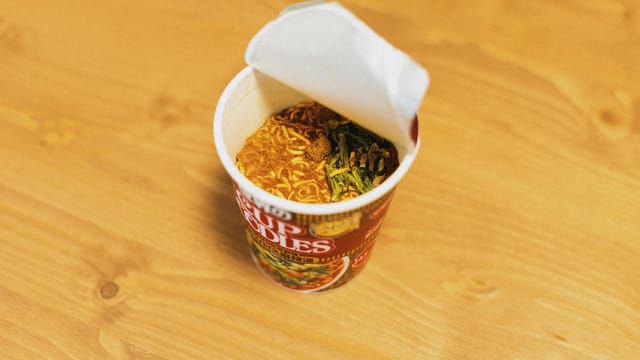
Uni‑President China Holds the Line at RMB 31.7bn as Beverages Slow and Instant Noodles Chase Growth
Uni‑President China posted 2025 revenue of RMB 31.714 billion and net profit of RMB 2.05 billion, marking modest growth while revealing slowing momentum in its core beverage and instant‑noodle businesses. The company kept a 100% dividend payout, but investors remain wary as competition, market shrinkage in noodles and beverage homogenisation pressure future growth.

Uni‑President’s China Unit Tops RMB31.7bn but Faces Slowing Drink and Noodle Growth
Uni‑President China posted RMB31.714 billion in revenue and RMB2.05 billion in net profit for 2025, maintaining its position above the RMB30 billion mark. Growth is slowing in both beverages and instant noodles, prompting investor caution despite a 100% cash dividend and margin gains from cost control and commodity tailwinds.
From Flagship to Fizzle: How Xiaomi’s SU7 Ultra Lost Its Heat and Exposed an Ambitious Pivot
Xiaomi’s SU7 Ultra began as a headline-grabbing flagship with record performance figures and rapid early sales, but a sequence of product, service and communication failures precipitated a sharp fall in demand. The collapse exposed weaknesses in Xiaomi’s ability to sustain a premium automotive offering and highlighted the importance of customer experience and specialist sales infrastructure in the high-end EV market.
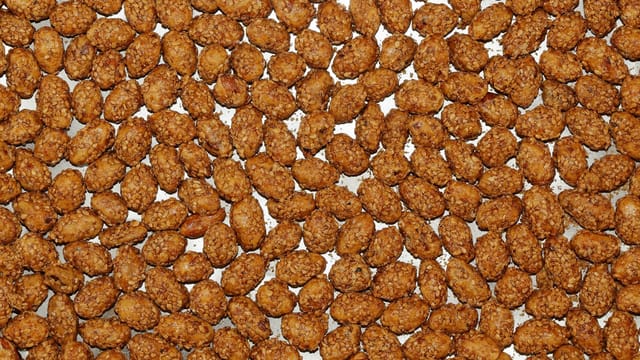
From Sunflower Seeds to Status Symbols: China’s Roasted‑Nut Shops Go Luxury — and Risk a Backlash
China’s traditional roasted‑nut and dried‑fruit shops have been transformed into premium retail experiences with polished stores, viral products and hefty price tags, led by brands such as Xueji. The sector’s growth is driven by packaging, product innovation and digital marketing, but rising prices and perceived homogeneity risk a consumer backlash even as market size continues to expand.

China’s “Gilded” Snacks: Why Mall‑Boutique Nuts Have Triggered a Consumer Backlash
High‑end Chinese snack brands have moved traditional roasted seeds and nuts from street stalls into glossy mall stores, prompting sticker‑shock and online backlash as prices climb into the hundreds of yuan per jin. The premium push is driven by mall costs, higher‑grade raw materials and craft processes, but it collides with entrenched consumer expectations and a category that lacks coffee‑style habitual demand.
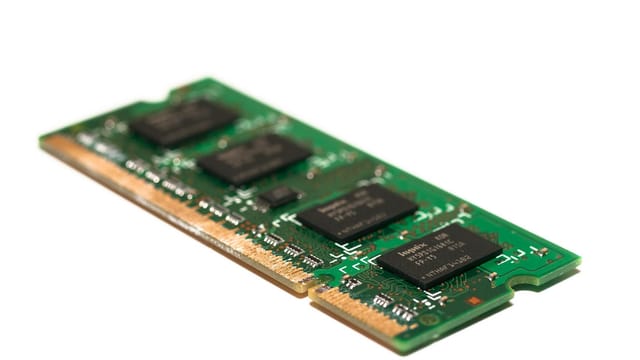
Smartphone Recovery Delayed Until Late 2027–Early 2028, Forcing OEMs to Trade Off Cost, Performance and Innovation
Counterpoint Research warns that the smartphone market will not normalise before late 2027 and could stretch into early 2028 as rising storage‑chip costs and weak demand squeeze margins. OEMs are responding by cutting models, delaying launches, optimising high‑end configurations and considering cloud offload to reduce hardware pressure.
China’s “Snack Ambushers”: Mall Nut Shops Charge Premiums for Experience, Not Always Freshness
Popular mall-based nut chains in China have been selling ordinary snacks at premium prices by packaging them as high-end, freshly roasted products and leveraging mall footfall and influencer marketing. Rising customer complaints about high bills and questions about the authenticity of “same-day roasting” have slowed expansion and exposed risks to the brands’ pricing logic.
Mall‑based Nut Brands Turn Everyday Seeds into a Luxury Purchase — and a Consumer Flashpoint
Two mall‑focused Chinese nut chains have turned ordinary roasted seeds into high‑priced, boutique products, prompting social‑media backlash as consumers discover hefty price tags and uneven claims of same‑day roasting. The strategy — premium positioning through mall locations, sensory retailing and influencer seeding — has driven rapid expansion but now faces slowing store openings and scrutiny over whether the premium is justified.