
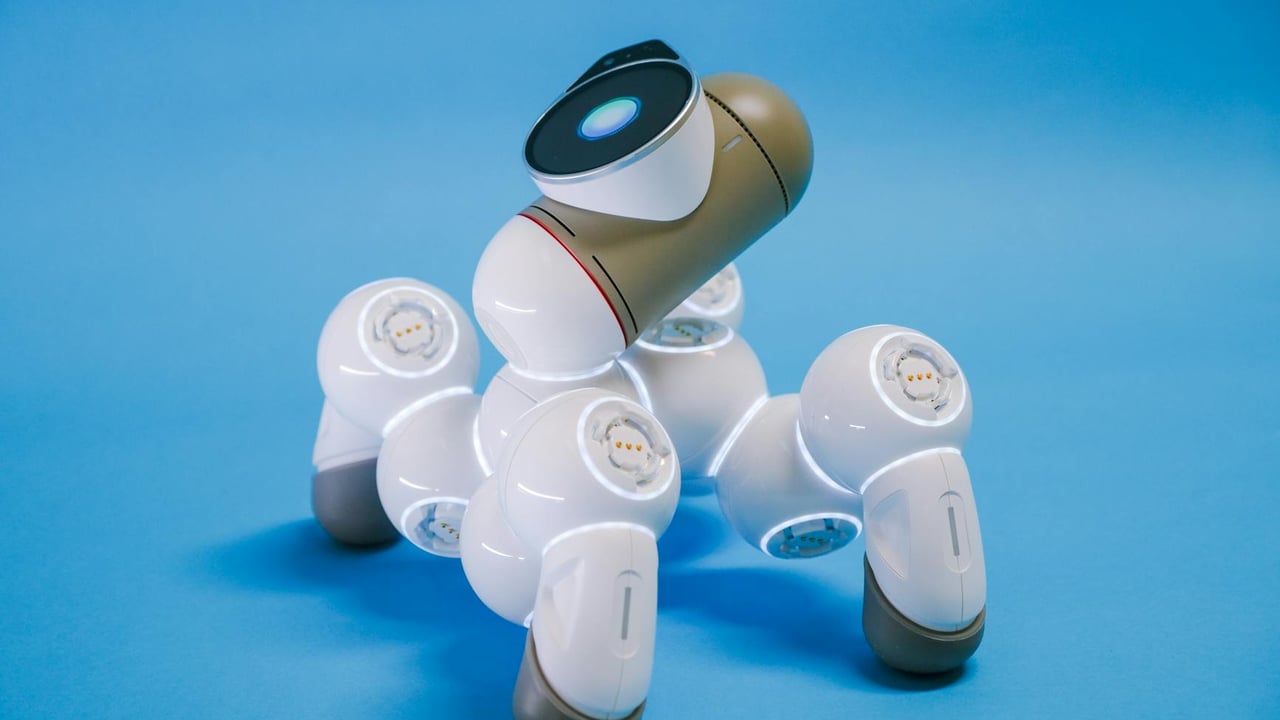

Google has named robotics, alongside quantum computing and AI‑driven drug discovery, as one of three pillars of long‑term growth, a strategic shift that has rippled through markets and invigorated investor appetite for China’s robotics supply chain.
In Shanghai trading, the on‑exchange Robot ETF (159770), which closely tracks the China Securities Index (CSI) Robotics Index (H30590), turned positive as several constituent names surged. As of 10:05 on 6 March 2026 the fund had traded RMB 51.22 million; its tracked index rose 0.48% with individual gainers including Nánwǎng Keji (南网科技) up 12.67%, Keyuan Zhihui (科远智慧) up 7.39%, Guomao (国茂股份) up 4.94%, Bichu Electronics (柏楚电子) up 1.97% and Inovance/汇川技术 up 1.90%.
The ETF’s recent flows underline growing investor conviction: over the past year the product’s assets increased by RMB 4.833 billion and its share count expanded by 1.287 billion units in the previous six months. The fund markets itself on tight tracking of the CSI Robotics Index and on concentrated exposure to AI hardware endpoints across the robotics value chain, positioning Chinese suppliers to capture demand if robotics moves from labs into widespread commercial deployment.
Google’s public embrace of robotics — and its explicit reference to Intrinsic, the company it acquired in the robotics space — frames the technology as a next‑wave platform rather than a niche engineering playground. Google executives argue that the deep integration of AI and embodied systems is already generating new commercial nodes within the company and that the three confirmed core verticals could each reach “hundreds of billions” in market opportunity.
Domestic brokerages have already begun to sharpen their narratives. ShenGang Securities (申港证券) characterises the sector’s transition as a move from research to industrialisation, suggesting humanoid robots could become a new class of “super terminal” akin to smartphones and electric vehicles. That view helps explain why speculative capital is flowing into component makers, control‑system vendors and industrial integrators listed on Chinese exchanges.
The broader context matters. Google’s strategic announcement coincides with a global acceleration of investment into physical AI and robotics, from factory automation to service and consumer robots. For Chinese manufacturers and listed suppliers, the combination of mooted demand from big tech and active domestic policy support for advanced manufacturing creates a favourable near‑term backdrop. However, commercialisation timelines, software integration challenges and regulatory scrutiny of foreign‑backed tech collaboration will shape who benefits and when.
Investors should temper enthusiasm with caution. Robotics remains capital‑intensive and breakthroughs that translate into mass‑market products are uneven; supply chain constraints, component lead times and the complexity of human‑robot interaction pose execution risks. Nonetheless, Google’s signal reduces strategic uncertainty and legitimises a trade that many institutional and retail investors are now treating as a multi‑year thematic allocation rather than a short‑term tech fad.