
# Robotics
Latest news and articles about Robotics
Total: 44 articles found
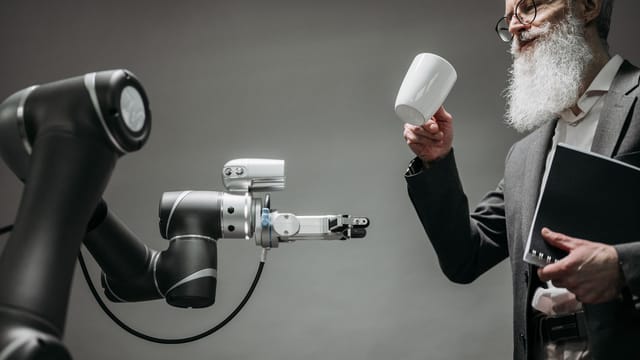
Galbot Reports Deploying Over 1,000 Commercial Embodied AI Robots
Chairman Yin Fangming outlines industrial adoption and international expansion plans at the SCO Digital Economy Forum.

Shanghai AI Hub Nurtures Next-Gen Model Startups and Brain-Inspired Chips
Model Speed Space connects young entrepreneurs with industrial scenarios, high-performance compute, and corporate partners.

Zhejiang's Embodied AI Sector Shifts from Demonstrations to Factory Floors
Robotics developers in eastern China face industrial trials as the sector transitions from stage demonstrations to commercial deployment.

China's Industrial Output Grew 5.2% in August on High-Tech Surge
High-tech and equipment manufacturing led the rebound as overall factory output picked up from July.

China Spotlights AI and Robotics in Military Strategy and Modern Warfare
An official military commentary urges faster transition of robotics and AI from laboratories to combat exercises.
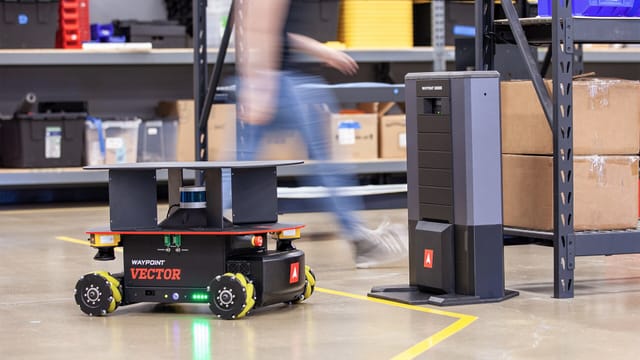
China Solicits Public Feedback on Humanoid Robot Standard Guidelines
A draft roadmap sets a goal of formulating at least 100 key standards by 2028 across components, intelligence, and safety.

WRC 2026 Highlights Industrial Ecosystem Push for Chinese Robotics
State-led consortiums, commercial pilot platforms, and cloud-chip partnerships seek to move embodied AI beyond isolated prototypes.

World Robot Conference 2026 Shows Shift Toward Commercial Deployment
Buyers and manufacturers prioritize real-world reliability, aftermarket support, and export growth over laboratory benchmarks.

China's Embodied AI Sector Confronts Over 99% Physical Data Deficit
Industry leaders at the World Robot Conference point to high teleoperation costs, fragmented standards, and scarce physical interaction data as key bottlenecks.
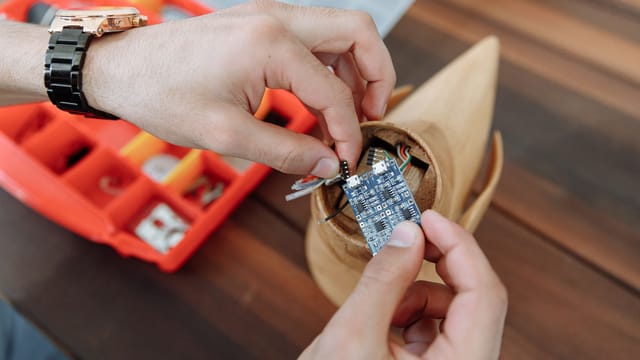
Chinese Chip Startup Huixi Intelligence Unveils Embodied AI Chips
The company introduced its R1 family of processors and computing modules designed to integrate perception and real-time robotic motor control on a single die.

Guangdong’s Humanoid Robot Cluster Accelerates as Domestic Sector Expands
A cluster of ten Greater Bay Area firms drives commercial deployment, algorithmic models, and domestic component supply chains.

China's Sales of Embodied AI Robots Surged 95.1% in July, MOFCOM Data Shows
Ministry of Commerce figures reveal rapid growth in smart hardware, new energy vehicles, and rural retail despite modest headline consumption expansion.