

Uni‑President Enterprises China reported steady but slowing growth in 2025, posting revenue of RMB 31.714 billion, up 4.6% year‑on‑year, and net profit attributable to shareholders of RMB 2.05 billion, a 10.9% increase. Management framed the result as hard‑won amid a year of “deep change,” and proposed a cash dividend that amounts to a 100% payout of last year’s earnings. Investors responded with guarded enthusiasm: the stock was choppy in intraday trading and finished the session up just 0.75%, reflecting anxiety about the sustainability of growth.
The structural picture is mixed. Beverages remain the group’s bedrock, contributing RMB 19.471 billion or 61.4% of sales, but growth in the drinks division slowed to 1.2% from 8.2% the previous year. Tea‑based products are at the centre of Uni‑President’s beverage strategy, where the company is defending its green‑tea franchise while rolling out low‑ and zero‑sugar SKUs and matrixed offerings such as dual‑extraction lemon teas and ready‑to‑drink milk tea extensions.
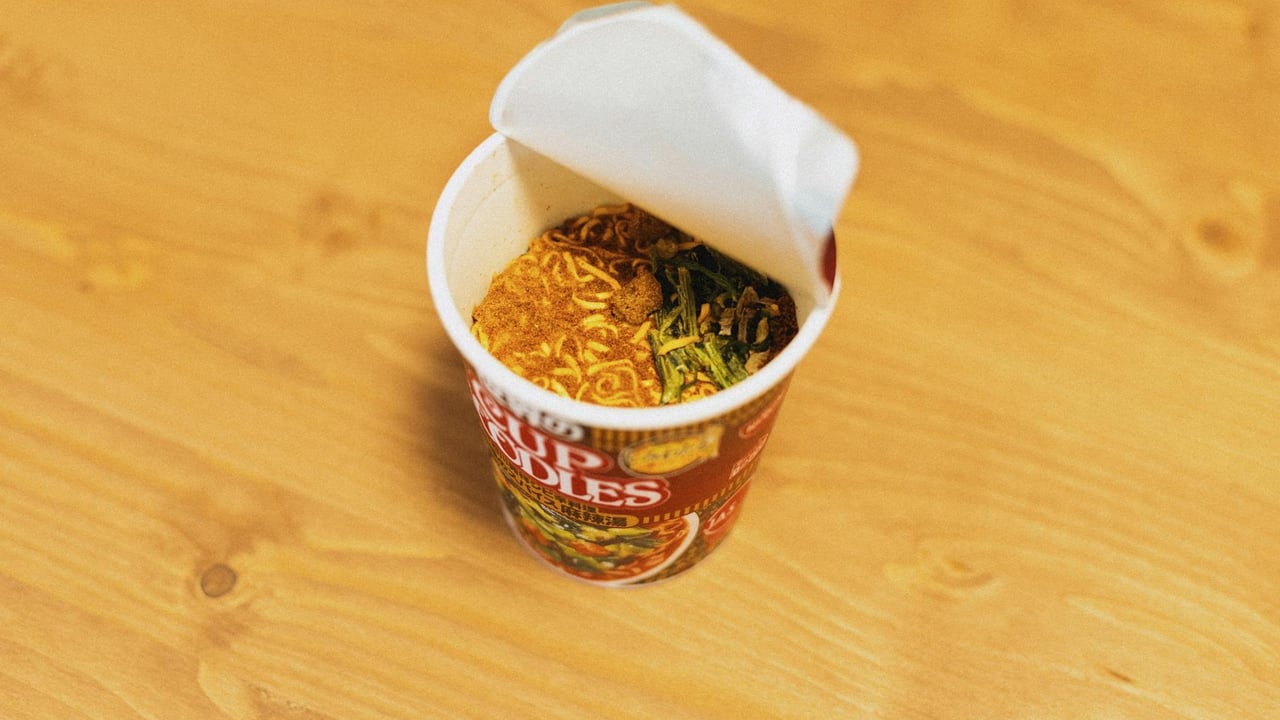
Food, led by instant noodles, is the other pillar and returned to a “hundred‑billion” scale in 2025 with RMB 10.494 billion in sales, a 5.0% increase on the prior year. The recovery owes much to legacy hits—Old Altered Sauerkraut Beef Noodles, Tang Da Ren and braised‑beef SKUs—and to a push into premium price brackets and format innovation, including mini‑cups and focussed upgrades around core flavours such as tonkotsu.
Yet the headwinds are palpable. China’s instant‑noodle market has been a shrinking battlefield for several years as consumers shift toward meal replacements, delivery and fresh convenience cooking, and overall consumption declined to 43.8 billion packs in 2024. At the same time, the category is premiumising: higher‑priced options now account for a growing slice of sales but also demand heavier marketing and R&D investment to justify price points.
Uni‑President’s margin story is one positive. Gross margin widened to 33.2% as input costs eased and product mix improved, and management restrained sales and marketing spend so that promotional intensity stayed broadly stable at about 22.2% of revenue. That efficiency helped deliver double‑digit net‑profit growth despite slowing top‑line momentum.
Competitive pressure is intensifying. Market‑share data show Uni‑President at roughly 18.1% in the instant‑noodle category—second only to market leader Ting Hsin (Kangshifu)—while challenger Baixiang (White Elephant) has been gaining ground, expanding its footprint with niche flavours and viral SKUs. Brokers such as UBS have turned cautious: they trimmed 2026–28 earnings forecasts for Uni‑President and cut their target price, citing continuing homogenisation in beverages and tougher headwinds for near‑term volume growth.
What this means beyond one company is instructive for China’s fast‑moving consumer goods sector. Uni‑President’s results illustrate a broader pivot from scale to quality: growth must now be earned through premiumisation, healthier formulations and smarter channel execution. Management’s decision to distribute 100% of earnings will reassure income‑focused investors in the near term but raises questions about the firm’s capacity to finance sustained innovation and channel expansion without drawing on balance‑sheet reserves or cutting dividends in future cycles.