

Lei Jun, Xiaomi's founder and a deputy to China's National People's Congress, told delegates that "real" driverless vehicles could be achieved within the next five years, but chiefly in restricted or well-defined environments. His comments, made during the annual national legislature session, marry a bullish timeline for autonomous driving with calls for clearer regulation and stricter enforcement to prevent misuse of current assisted-driving systems.
The Xiaomi chief argued regulators should move quickly to integrate intelligent-driving content into the driving test and to set explicit penalties for what he called the dangerous misuse of Level 2 driver‑assistance features — the systems that still require an attentive human driver. He also urged the government to establish unambiguous safety standards for higher automation levels, L3 and L4, which allow greater vehicle autonomy under defined conditions.
The statement is notable because Lei is both a high‑profile technology entrepreneur and the head of a company that has pivoted into electric vehicles and robotics. Xiaomi's ambitions in cars and factory automation mean his views reflect not just theory but a commercial interest in seeing a permissive, clearly regulated environment for advanced driver assistance and early autonomous deployments.
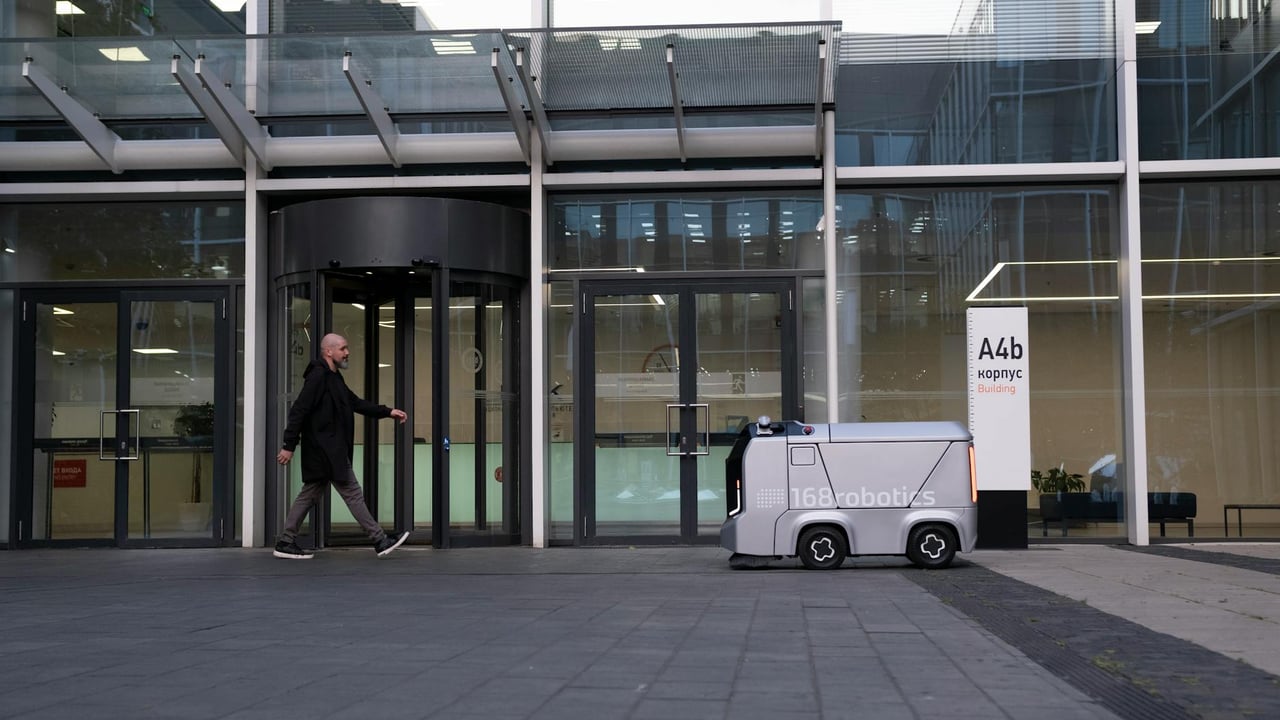
China's industry and regulators have already taken tentative steps toward constrained driverless services: low-speed shuttles in campuses and industrial parks, autonomous buses on dedicated routes, and limited commercial pilot projects on closed highways. Those early deployments mirror a global pattern — testing in highly controlled settings before attempting the far harder problem of general urban driving where weather, pedestrians and chaotic traffic create innumerable edge cases.
Technology-wise, progress has been driven by cheaper lidar and sensors, more powerful onboard compute, richer training datasets and the growth of vehicle-to-everything infrastructure and 5G. Yet the gap between marketing claims and real-world capability remains contentious: a string of high-profile incidents involving so-called intelligent driving systems has stoked public wariness and prompted calls for tougher oversight.
If Lei's timeline proves realistic, the next phase will be regulatory and institutional: updating licensing, insurance frameworks and liability rules, creating certified test tracks and operational design domains, and mandating robust human‑machine interaction standards. How Beijing chooses to balance cautious standard‑setting against industrial momentum will shape whether China leads in practical, scalable autonomous mobility or suffers reputational setbacks from premature rollouts.