
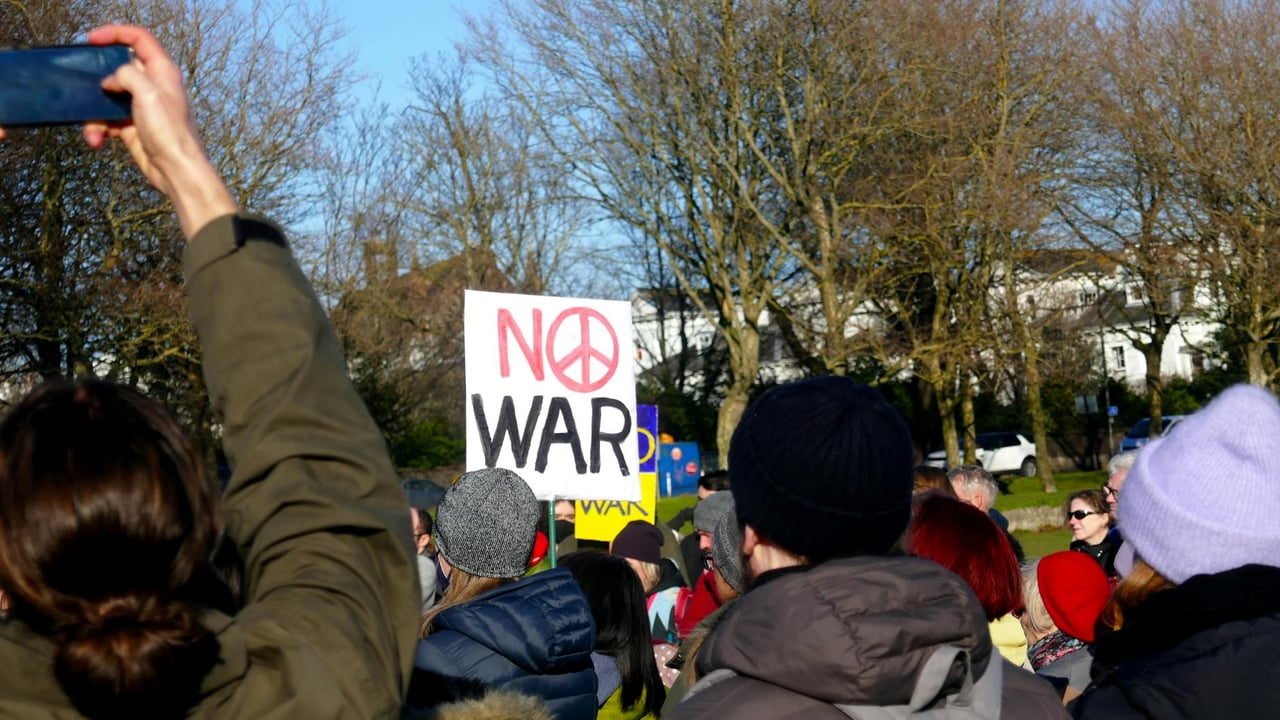

On March 7, thousands of demonstrators gathered in multiple American cities — including New York, Washington, Los Angeles and San Francisco — to demand an immediate end to U.S. military actions targeting Iran. In Manhattan’s Union Square, participants carried anti‑war placards and chanted for a ceasefire, transforming a familiar urban space into a public rehearsal of dissent against an increasingly militarised foreign policy.
Voices at the rallies conveyed a mixture of moral urgency and economic frustration. "I want all countries and international organisations to pressure the United States and Israel to stop the war," said Adelina, one of the protesters in Manhattan. Others framed the issue in stark human terms: "Who will pay the price?" asked John, warning that ordinary civilians bear the brunt, while Grace pleaded that public funds not be spent on “bombs” and “killing children.”
The demonstrations come against a backdrop of heightened tensions between Washington and Tehran, and a recent spate of U.S. operations and retaliatory strikes in the wider Middle East. While the rallies did not present a unified political programme, they echo a broader, recurrent theme in American public life: war’s fiscal, human and political costs remain potent catalysts for mass mobilisation.
For policymakers, sustained street pressure complicates options. Large-scale protests sharpen domestic scrutiny of executive decision‑making, increase the salience of humanitarian considerations, and can strengthen calls in Congress for constraints on further military authorisations or funding. They also send signals to U.S. allies and adversaries alike that the American public may be less willing to support prolonged or expanded campaigns abroad.
If these demonstrations persist, they may influence not just immediate policy choices but longer‑term political calculations, particularly as leaders weigh the risks of escalation against domestic backlash. Organisers pledged continued action, underscoring a political landscape in which foreign‑policy decisions are increasingly contested at home as well as abroad. (Source: SoMi; published March 8, 2026.)