
# foreign policy
Latest news and articles about foreign policy
Total: 25 articles found

Wang Yi and Marco Rubio Discuss High-Level Exchanges in Phone Call
Chinese Foreign Minister Wang Yi emphasizes presidential diplomacy as the anchor for bilateral ties as Beijing and Washington prepare future engagements.
China Economic and Social Forum in Hangzhou Calls for Multilateral Coordination
Senior CPPCC official Wang Dongfeng emphasizes global governance initiatives as 85 international and domestic guests gather in Zhejiang.
Wang Yi Meets ASEAN Chief Kao Kim Hourn, Urging Progress on Sea Code
Beijing reaffirms support for ASEAN centrality and calls for advancing South China Sea Code of Conduct talks.

China and East African Nations Deepen Law Enforcement Security Ties
At a ministerial dialogue in Lianyungang, Beijing and regional police chiefs pledged joint action against transnational crime, terrorism, and fraud.

CPC Promotes Modernization Vision to Foreign Envoys at Yan'an Briefing
A special briefing hosted by the International Department and Shaanxi officials gathers international political figures to showcase governance ideology.
Xi Jinping to Attend 18th BRICS Summit in India on Modi Invitation
China announces President Xi will travel to New Delhi for the leaders' gathering on September 12–13.
China Pushes Digital Services and Lower Trade Barriers at Beijing Summit
Vice Premier Ding Xuexiang outlined three service trade priorities and met foreign leaders in Beijing.

Chinese Foreign Minister Wang Yi Holds Talks with Mexican Foreign Minister Velasco
High-level bilateral discussions between Beijing and Mexico City reflect continued diplomatic engagement between two major developing economies.
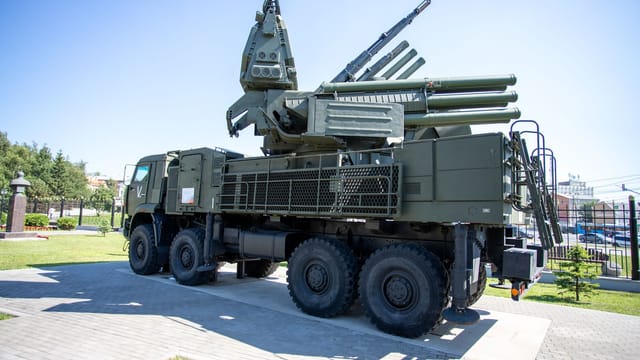
Xi Attends SCO Summit in Bishkek as Bloc Issues Nuclear Safety Declaration
Chinese President travels to Central Asia and Egypt while SCO member states reaffirm sovereign responsibility over nuclear security.
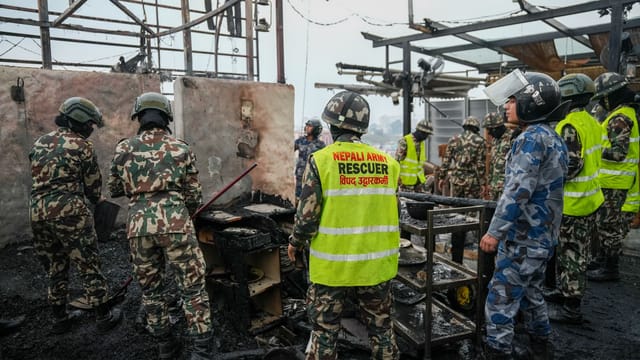
China and Nepal Coordinate Emergency Response After Border Glacial Disaster
Foreign Minister Wang Yi speaks with Nepali counterpart Shishir following a deadly cross-border debris flow triggered by glacial collapse.
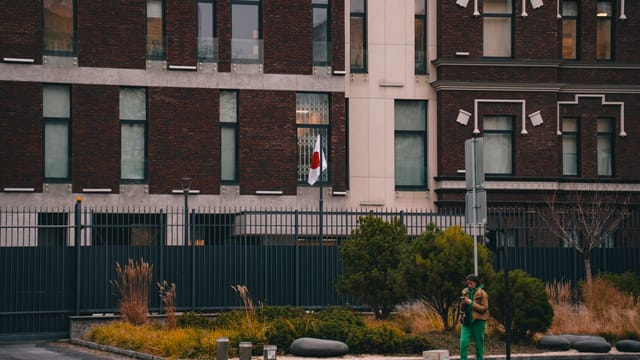
Xi Jinping Names New Ambassadors to Australia, Sri Lanka, and Uganda
China announces a diplomatic reshuffle covering key bilateral embassies and its Geneva disarmament envoy.

Wang Yi Meets U.S. Ambassador to Prepare for Upcoming High-Level Interactions
Chinese Foreign Minister Wang Yi called for removing obstacles to bilateral exchanges during talks with U.S. Ambassador to China in Beijing.