
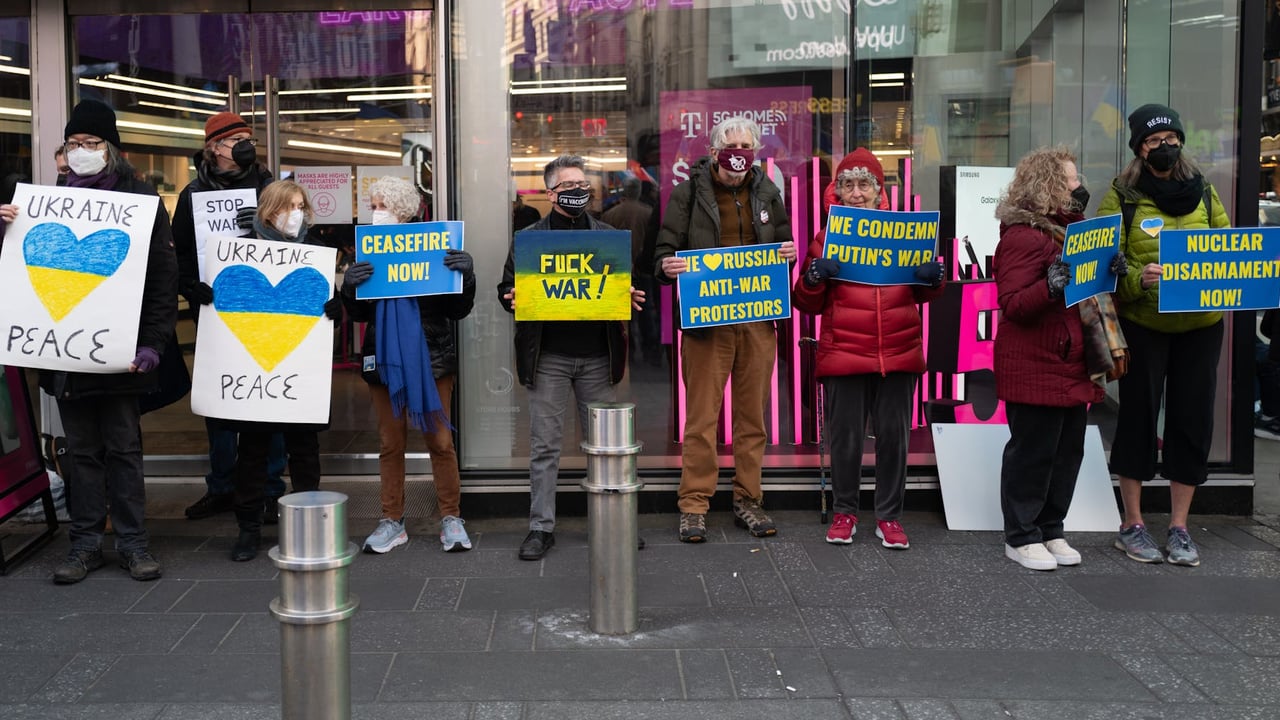

Thousands of demonstrators gathered in several American cities on March 7 to demand an immediate end to U.S. military action directed at Iran and to call for de-escalation in the wider Middle East. In Manhattan's Union Square, placards and chants filled the plaza as crowds pressed a familiar refrain: stop the war and stop spending taxpayer money on overseas strikes.
Protesters voiced a mixture of moral outrage and fiscal impatience. "I want all countries and international organizations to pressure the United States and Israel to stop the war," said a demonstrator identified as Adelina. Another, John, warned that prolonged conflict would exact its toll largely on civilians, while Grace urged lawmakers not to “spend my money on more overseas wars” and pleaded against the killing of children.
The demonstrations come amid a renewed wave of public scrutiny of U.S. policy in the Middle East and heightened anxiety about unintended escalation. Although the marches echoed long-standing American anti-war sentiment, they are notable for their geographic breadth—from New York and Washington to Los Angeles and San Francisco—signalling a cross-regional mobilization rather than isolated activism.
Domestic politics are central to the story. Mass protests like these raise the political cost for an administration weighing kinetic options abroad, complicating efforts to sustain public support for strikes or expanded operations. Lawmakers in both parties watch public opinion carefully: a sustained popular backlash can translate into tougher congressional oversight, restrictions on funding and heightened scrutiny in an election year.
Beyond the immediate political calculus, the demonstrations reflect broader anxieties about civilian casualties and the redirection of public funds away from domestic priorities. Calls during the protests for international pressure on both the United States and Israel underline a shifting public mood that seeks multilateral diplomatic solutions rather than unilateral military action.
For now, these rallies are unlikely to compel an immediate reversal of policy, but they matter because they shape the political environment in which foreign-policy choices are made. If protests persist and broaden, they could influence Congressional debates over authorisations, appropriations and oversight, and signal to allied and adversarial governments that U.S. domestic consent for military action is neither automatic nor inexhaustible.