

China’s consumer-price rise accelerated in February, driven largely by a seasonal surge in services around the extended Lunar New Year holiday and a modest broadening of demand. The National Bureau of Statistics reported that the consumer price index (CPI) rose 1.3% year-on-year and 1.0% month-on-month, the strongest monthly gain in roughly two years. Core CPI — which strips out food and energy — climbed 1.8% year-on-year, signalling that underlying inflation has begun to firm, albeit from a low base.
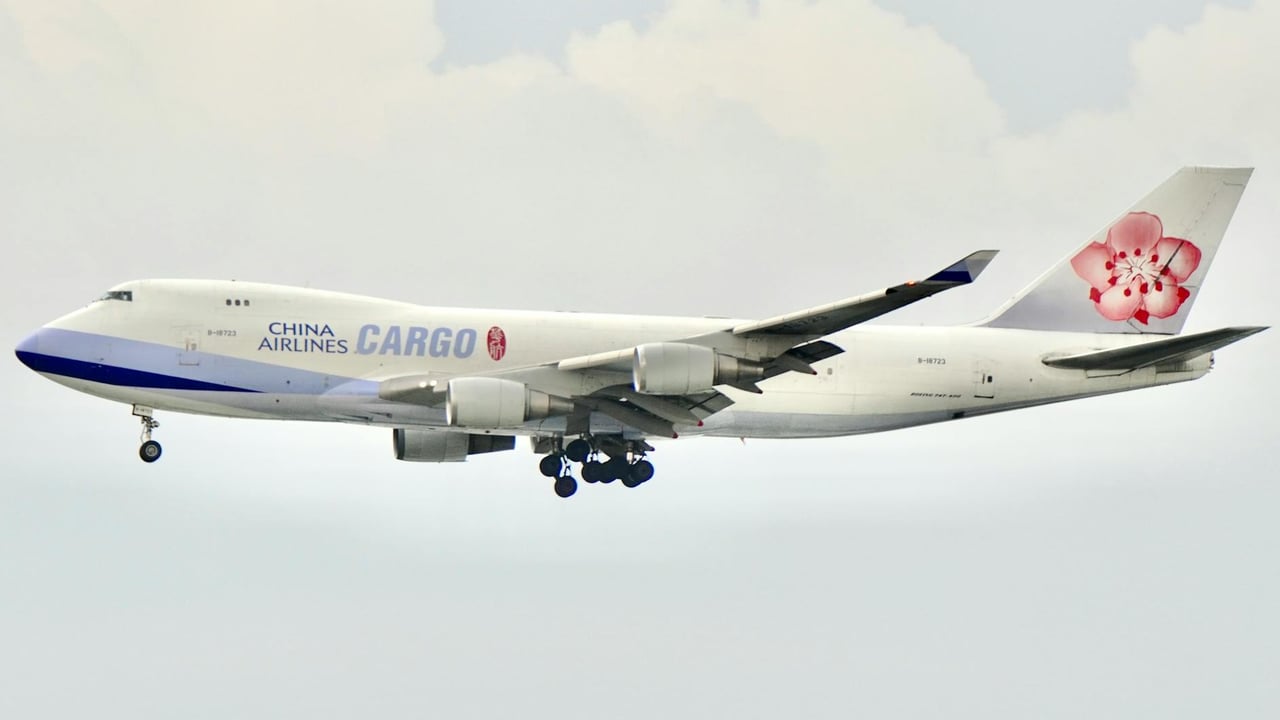
The headline month-on-month increase owed most to services, which rose 1.1% and contributed roughly 0.54 percentage points to the CPI’s monthly advance. Ticketed travel categories were the conspicuous drivers: airline fares jumped 31.1% month-on-month, vehicle rental prices were up 24.7% and travel-agency fees rose 15.8%, reflecting concentrated holiday spending after a longer Spring Festival break. Other consumer services — from pet care to car repairs and housekeeping — also posted outsized monthly gains.
Food prices moved from flat in January to a 1.9% monthly increase in February, but the report notes food inflation remained below normal seasonal levels. Seafood, fresh fruit and pork all saw notable month-on-month increases, while vegetable prices eased slightly thanks to ample market supply. On the year, food lifted CPI by around 0.30 percentage points, even as pork and egg prices remained materially lower than a year earlier.
On the producer side, industrial prices continued a multi-month recovery. The producer price index (PPI) rose 0.4% month-on-month — the fifth consecutive monthly gain — while the year-on-year decline narrowed to 0.9%, a 0.5 percentage-point improvement from January. The rebound reflects two forces: rising international commodity prices (notably non-ferrous metals and crude oil) and strengthening demand for sectors tied to China’s strategic industrial upgrades.
Commodity-linked industries showed the clearest price uptick. Prices in non-ferrous metal mining and smelting jumped sharply month-on-month — silver, gold, aluminium and copper all saw double- or high-single-digit monthly gains. Petroleum extraction and refined products also rose, lifting costs in energy-intensive supply chains. Meanwhile, parts of the technology and equipment complex benefited from stronger orders: semiconductors, electronic components and certain high-end machinery recorded year-on-year price gains.
The PPI narrative also carries a policy subtext. Authorities have been pursuing measures to stabilise prices and improve market discipline in sectors suffering from chronic overcapacity; the statistics show early effects. Prices in solar equipment, lithium-ion batteries and other green-technology segments either narrowed their declines or moved into modest year-on-year increases, suggesting that capacity consolidation and demand recovery are helping stabilise producer margins.
Taken together, the data present a mixed but improving picture for China’s prices. Consumer inflation remains moderate and heavily shaped by calendar and service-sector dynamics, while upstream deflation is receding as commodity prices recover and industrial demand firms. For policymakers, the challenge is to sustain a gentle, broadly based price rebound — one that supports corporate margins and wage growth without reigniting boom-and-bust cycles in sensitive sectors.
For international markets, the nuance matters. A narrowing PPI decline reduces deflationary pressure on exporters’ margins and may relieve some urgency for further monetary stimulus; at the same time, the modest rise in CPI keeps consumer inflation well below levels seen in many advanced economies. Traders and foreign investors will watch whether the PPI rebound accelerates — which would raise input costs for exporters and could feed into global commodity markets — or stalls as base effects and supply adjustments temper price gains.