

Several senior advisers have privately urged President Donald Trump to find a swift way out of the current confrontation with Iran, citing a sharp rise in oil prices and the political hazards of a protracted campaign. The counsel reflects alarm in the White House that sustained hostilities could translate into domestic economic pain and jeopardise Republican prospects in November’s midterm elections.
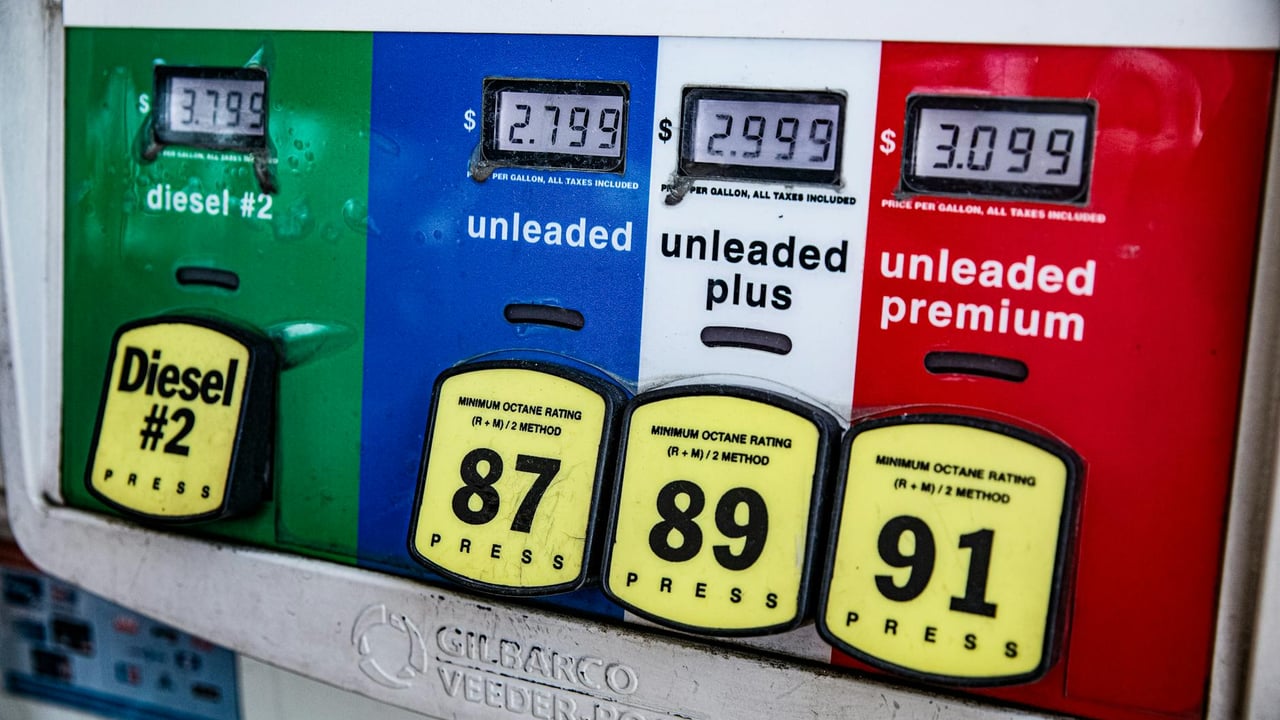
Advisers pressed Mr. Trump for a clear withdrawal plan and for public evidence that US military objectives have largely been achieved. The immediate trigger for urgency is oil climbing past $100 a barrel, a development economic advisers warn will ripple through inflation and consumer budgets; Stephen Moore warned that higher gasoline and oil prices will push up costs across the economy and hit household affordability.
The White House has concluded it needs a more aggressive communications strategy to shore up public support, an admission that domestic opinion is fragile. Multiple polls show a majority of Americans oppose the conflict, and while many conservative activists initially rallied behind the military response, aides fear that prolonged operations will erode even that core backing.
President Trump’s public signals have been mixed, compounding the challenge. He recently demanded Iran’s “unconditional surrender” and did not rule out sending ground troops, only to tell the New York Post days later that the situation was “far from” a decision to deploy such forces. In a separate briefing he said operations would end “soon” while also warning the US “can and will go further.”
The immediate stakes are both political and strategic. Domestically, an energy-driven squeeze would amplify voter anxiety and give opponents a salient economic issue ahead of the midterms; politically fragile Republicans are already weighing the electoral costs of a lingering conflict. Strategically, an early exit could preserve coalition cohesion and limit escalation, but hasty withdrawal risks leaving objectives unfulfilled and emboldening adversaries.
Internationally, prolonged confrontation with Iran would unsettle regional partners, threaten shipping through the Strait of Hormuz, and keep energy markets jittery. Allies in Europe and the Middle East face delicate choices about public alignment, while global competitors such as China and Russia may exploit a distracted Washington to advance their own regional influence.
The key variables to watch are whether the administration will articulate measurable military objectives and a timetable for disengagement, how quickly oil prices respond to developments on the ground, and whether Congress presses for oversight or constraints. The coming weeks will test whether political pressures at home produce a deliberate de-escalation, or whether ambiguity and mixed messaging lead to mission creep and wider instability.