

At the Shanghai New International Expo Centre this March, AWE 2026—the China Home Appliance & Consumer Electronics Expo—staged a brazen show of where the industry is headed. Thirteen halls, more than 140,000 square metres and over 1,000 exhibitors made the event a platform battle for launch rights, service pledges and new artificial‑intelligence hardware aimed at everyday households.
The big internet platforms were on prominent display. JD announced an upgrade of its home appliance service from a “delivery‑plus‑installation” model to what it calls a “life proposal,” pledging to compress average installation wait times to under two hours and to extend service coverage across 150 categories. Tmall and other platform partners highlighted exclusive first releases—a flock of robot vacuums that can climb stairs, companion robots, and an array of AI eyewear among the 1,000-plus consumer tech debuts—many of which will be sold first online through platform storefronts.
What is striking is the shift in competitive focus. For years China’s appliance market competed chiefly on price, product specifications and channel reach. Exhibitors and platform executives told journalists that the industry has entered a “second half,” where service experience and post‑purchase support determine brand loyalty and growth. JD’s internal metrics, it said, point to substantial service improvements in 2025: a sharp drop in installation complaints, a double‑digit rise in positive mentions of integrated delivery and installation, and a decline in average waiting time to under a day in aggregate.
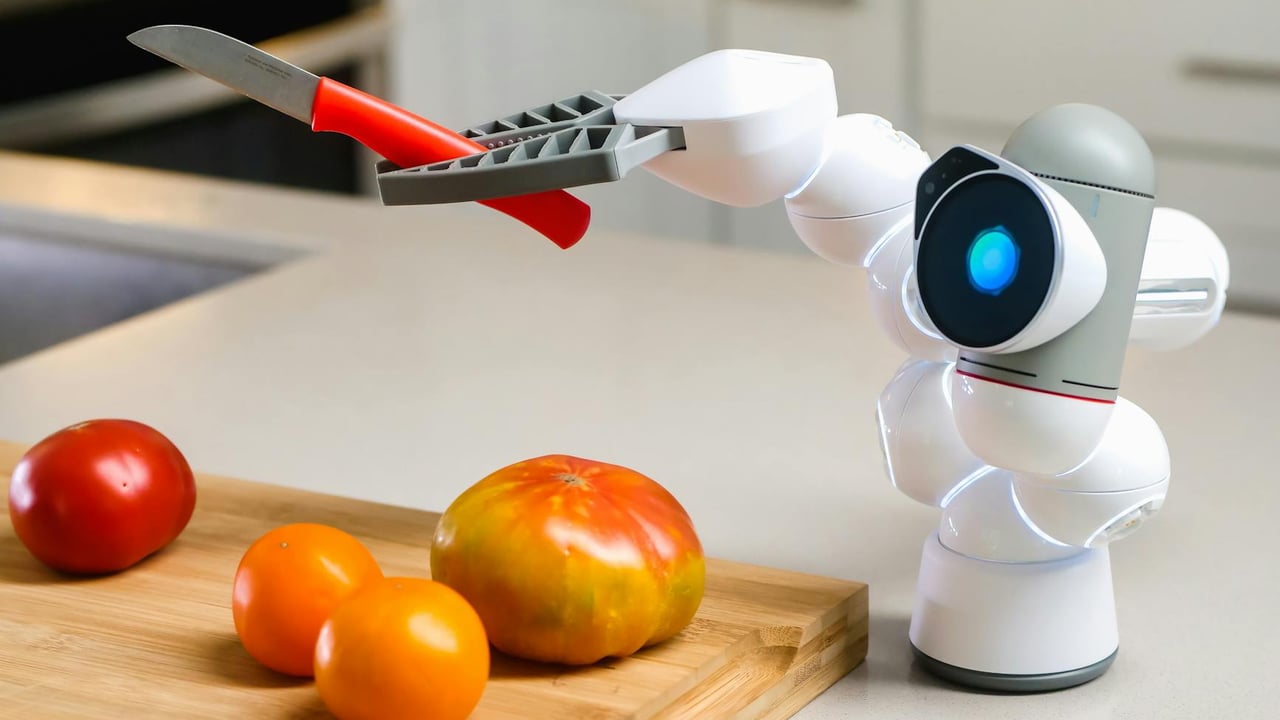
Artificial intelligence was the other headline. Organisers placed “AI technology” at the centre of the show for the second consecutive year, and exhibitors responded in kind. JD mounted a robot alliance that showcased more than 60 embodied‑intelligence products, from humanoid performance machines to commercial service bots and kitchen automation. One showpiece was a JD‑exclusive humanoid robot fitted with the company’s JoyAI voice large language model, pitched for companionship, education and smart‑home control.
AI eyewear and cooking assistants also made their debut. Alibaba‑affiliated Qianwen AI glasses and a separately announced AI cooking eyewear claimed by a major kitchen‑appliance group drew long queues of visitors keen to test real‑time translation, assistant prompts and step‑by‑step cooking guidance that can coordinate multiple smart kitchen devices. The proliferation of such devices signals that vendors are no longer content to layer AI on top of conventional appliances; they are recasting AI as a product core and a channel for recurring service and platform engagement.
Yet the glamour of robots and AI glasses masks persistent hurdles. Executives in embodied intelligence concede that translating show‑floor demonstrations into regular household usage is hard. Adoption requires not only cheaper and more reliable hardware but also service ecosystems, software updates and new usage norms. Several industry players argued 2026 will be a pivotal year for validating business models and improving consumer awareness.
Platforms are betting that superior logistics and integrated services will provide durable advantages. Retailers such as Suning are repurposing stores as “super experience centres,” blending sport, entertainment and smart‑home showcases, while logistics partners push bundled delivery, installation and old‑product recycling to remove friction from high‑end online sales. The result is a two‑front competition: conventional product launches and exclusive first‑sales, plus an arms race in post‑purchase service and AI‑driven user experiences.
For international observers, AWE 2026 offers an early look at how Chinese firms plan to monetise AI and smart hardware at scale. The show suggests that the next phase of appliance competition will be less about gadget specs than about platform control of service flows, data‑rich AI features and the routines of everyday life. That combination has implications for global supply chains, cross‑border product rollouts and the standards by which consumers judge smart appliances in markets beyond China.