
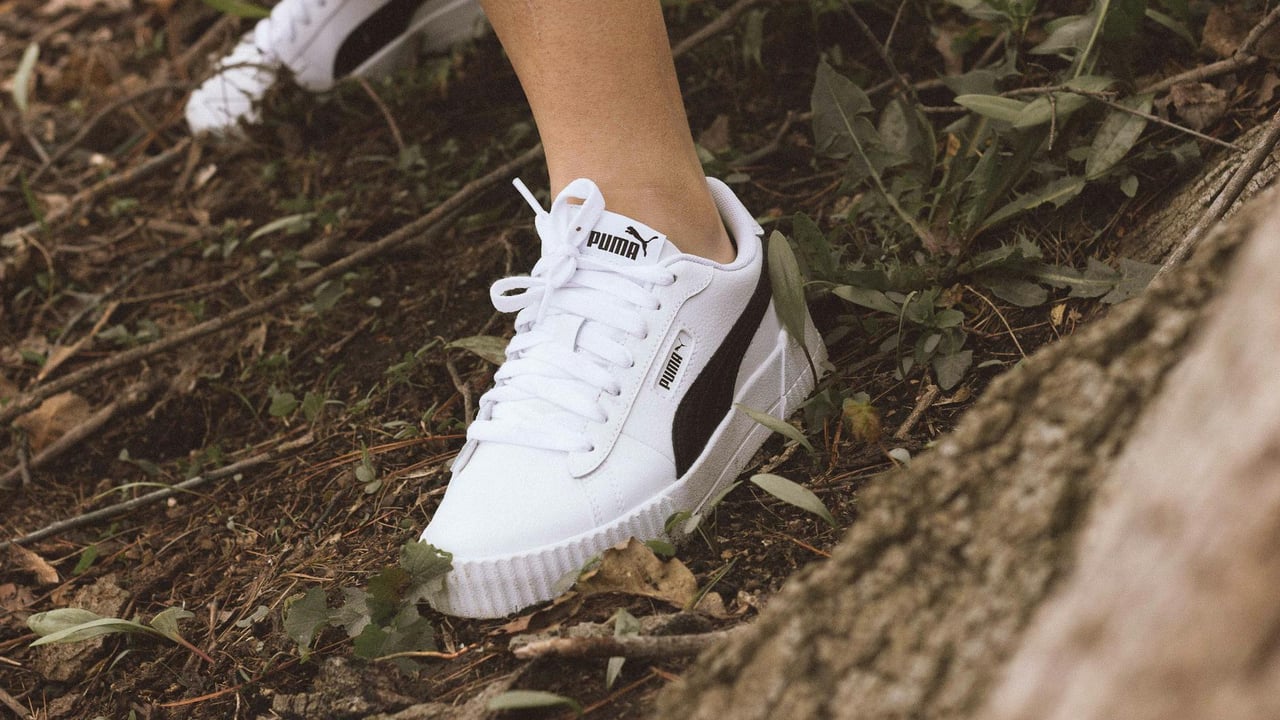

Chinese sportswear group Anta’s surprise €1.5 billion purchase of a 29.06% stake in Puma has crystallised a question that had been looming over the German brand for some time: can a private-equity-style intervention from the world’s largest sportswear market restart a global name that is haemorrhaging sales and credibility?
Puma closed 2025 with €7.296 billion in revenue, an 8.1% drop year-on-year, and a net loss of €646 million after a year the company’s management called a “reset.” The figures exposed a brand struggling across markets and product lines: double-digit declines in the Americas and a severe deterioration in Europe, with apparel, footwear and accessories all posting declines that suggest Puma’s “sport plus fashion” strategy is losing traction.
The proximate causes are familiar in retail: bloated inventories, aggressive discounting through outlets and wholesale partners, and a deliberate channel reset that prioritises long-term brand health over short-term sales. Puma’s management has explicitly traded short-term headline numbers for a wholesale clean-up — layoffs, buybacks of excess stock and deeper direct-to-consumer investments — but those necessary steps have produced a painful financial hit.
Against that background, Anta’s move looks strategic rather than sentimental. The price — roughly €35 a share, a premium of about 62% over Puma’s late-January close — bought Anta not control but a material board presence. The timing mirrors Anta’s previous playbook: it bought the Greater China rights to FILA when that label was moribund and later led the €4.66 billion acquisition of Amer Sports, showing a preference for buying into storied but momentarily weakened brands and then executing operational turnarounds.
Puma still has valuable intangible assets. It commands deep sponsorships and technical associations in football and motor racing, from major league and club partnerships to ties with high-profile racing teams. Its channel footprint spans 120-plus countries and includes an established DTC network. Crucially for Anta, Puma’s direct-to-consumer business in Greater China has quietly outperformed: DTC sales grew by about 10% even as the region’s wholesale channels dragged down overall revenues.
Turning those assets into profitable growth will be neither quick nor straightforward. Puma’s consumer base has skewed young and female, a strength for style-led launches but a weakness for recapturing male performance consumers and higher-priced premium shoppers where Nike and Adidas dominate. The brand risks being squeezed from above by premium players and from below by fast-fashion and value competitors if it cannot reassert technical credibility and a clear positioning.
Anta’s likely playbook is twofold: use its supply-chain and cost advantages to improve Puma’s unit economics and leverage its China expertise to convert Puma’s DTC potential into sustained retail profitability. That would involve pushing into professional categories — better basketball and performance running lines — while retaining the fashion credentials that have kept Puma relevant on social media and among younger consumers.
But the manoeuvre carries clear hazards. Rapid cost cuts or commoditisation could further dilute Puma’s German heritage and alienate the core consumer groups that still value the brand’s style credentials. Grocery-list efficiency gains alone will not convert a female-leaning, style-first audience into the broad, higher-margin customer base Puma needs to challenge the sector’s leaders. Anta must also navigate dealer pushback as Puma shifts channels and reconcile a board-level influence strategy with the practicalities of brand stewardship.
The acquisition is a milestone for Chinese sports brands seeking global scale: it gives Anta a route into mainstream European and American retail and a cache of sponsorships and technical assets it has lacked. For Puma, the deal offers much-needed strategic oxygen. Whether it becomes a revival story or a cautionary tale about overpaying for headline assets will depend on Anta’s ability to marry surgical operational improvements with careful brand repositioning — and on Puma’s willingness to accept a Chinese partner’s hand in reshaping what it has been for nearly eight decades.