

At dawn in Fufeng county, Shaanxi, a county-level Pinduoduo transfer warehouse hums to life. An automated sorting line sends packages toward dozens of marked village stops; by midday hundreds — often thousands — will have been routed from the county to village doorways. The warehouse manager, Wang Feifei, counts roughly 4,000 village-bound parcels a day in normal times, a figure that can double during peak periods, and takes particular pride that deliveries now reach the gate of the very village where she grew up.
Pinduoduo’s “free delivery to villages” pilot, launched nationwide from late 2025, pays the second-leg delivery cost from county hubs to village collection points and relies on newly formed county transfer centres and village-level pick-up stations. Recruiting those village stations proved operationally exacting: staff had to map 116 administrative villages in Fufeng with near-perfect address accuracy, persuade small shopkeepers and existing community organisers to open formal collection points, and adjust routing for rugged terrain. The result is small village convenience stores becoming multifunctional logistics nodes — selling groceries while receiving and dispatching parcels.
The impact is practical and immediate. For villagers who once travelled half an hour or more to town collection points, parcels now sit on a shop counter within eight minutes’ walk. Village shop owners gain new foot traffic and income from hosting a pick-up point; farmers can both buy larger or heavier goods online and send their own produce to distant markets on the same logistics chain. In mountain counties such as Pingli, where settlements are dispersed and roads narrow, residents are ordering not just clothing and daily necessities but agricultural machinery parts, furniture and fencing — items that would previously have been difficult to purchase or ship.
This local transformation sits inside a wider economic picture: rural China has become a major engine of consumption resilience. In 2025, national statistics put rural retail sales at about 6.82 trillion yuan and rural online retail above 3 trillion yuan, both growing faster than urban equivalents. The central government has signalled support: the 2026 No. 1 Document calls for shared rural logistics facilities and greater integration of passenger and cargo services, and the national postal regulator reports high penetration by direct-run couriers and much lower village access for franchise networks.
Pinduoduo’s programme is both commercial and political in character. It follows a series of platform-wide development initiatives — part of a so-called “thousand-billion support” programme — and answers a market gap left by thin margins in franchise courier economics. For franchised operators a parcel’s last-leg cost often exceeds the fee allocated to local agents, making village delivery unprofitable without external subsidy. By absorbing these second-leg costs, Pinduoduo reduces merchants’ logistics burden and stimulates rural orders, while also embedding its platform deeper into county and village ecosystems.
Operational risks and limits remain. The current model relies heavily on platform subsidies to make deliveries economically viable and on intensive, labour-heavy mapping and training at the village level. Mountain roads, dispersed populations and the low density of some natural villages drive up per-parcel costs and complicate scaling. Local managers in different counties say the service reaches about half or more of local parcel volumes where it works well, but they worry that success concentrated in a few strong counties will not by itself ensure a nationwide, self-sustaining network.
If sustained and scaled, the logistics push has wider implications for rural economies and for platform competition. Easier, cheaper inbound and outbound logistics can expand the range of goods available to villagers and make small-scale agricultural sellers national vendors. For platforms, owning or underwriting the last mile deepens customer stickiness and raises barriers to rivals, even as it requires continuing investment. For policymakers, encouraging shared infrastructure and co‑ordinated delivery may be the lever that converts pilot projects into persistent commercial routines and broader rural prosperity.
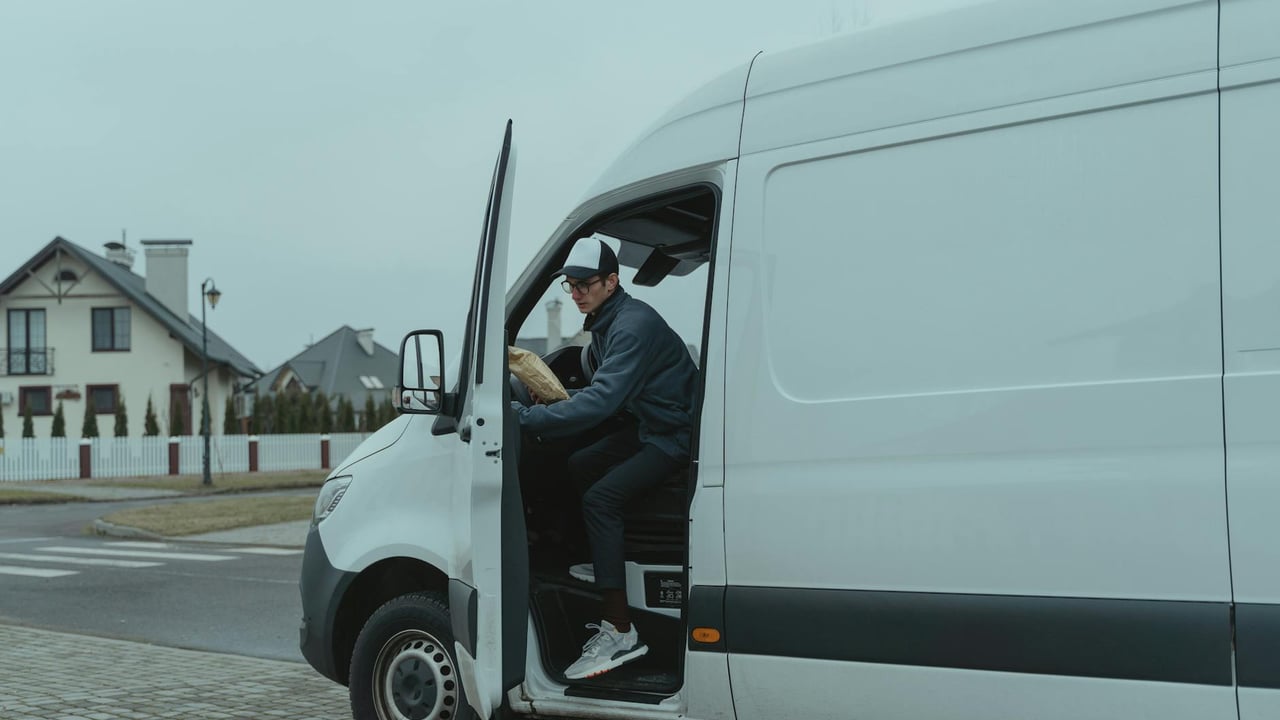
Back in Fufeng, Wang Feifei’s pride is pragmatic: villagers make fewer long trips and shopkeepers see steady new customers. The visible traces of delivery vans on the county’s roads have become more than a convenience; they have become a new kind of rural public good, one that is reshaping how goods move in and out of China’s interior and changing the livelihoods of those who once existed at the tail end of the logistics chain.