
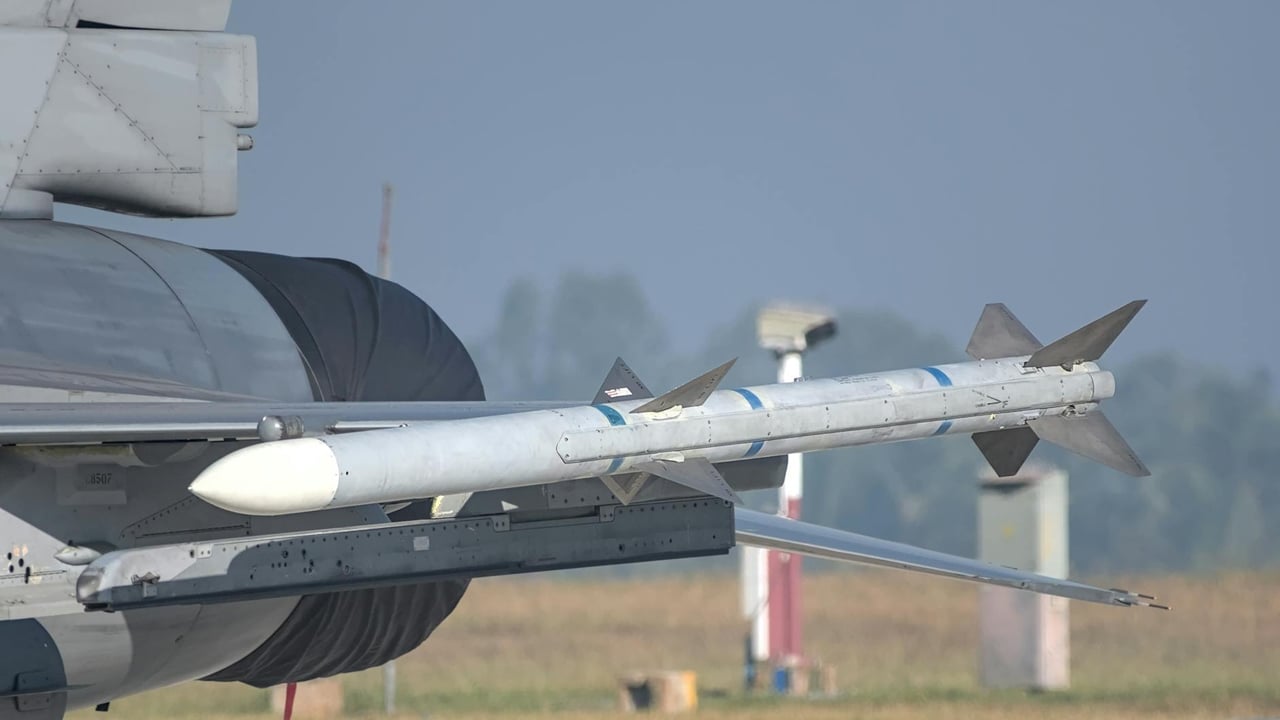

Iran announced it had launched what state outlets described as the 61st wave of retaliatory strikes following the assassination of a senior figure surnamed Larijani, saying the operation employed a missile Tehran calls the “Castle‑Breaker.” The declaration continued a pattern of incremental, named strikes that Tehran has used to signal resolve and impose costs while stopping short of all‑out war.
The latest barrage was presented as a calibrated act of vengeance rather than an attempt at strategic conquest. Iranian coverage emphasized the novel weapon system — the Castle‑Breaker — and framed the strike as part of a sustained campaign designed to convince Tehran’s adversaries that attacks on Iranian personnel will invite persistent, costly replies.
This campaign reflects a deliberate Iranian playbook: reciprocate repeatedly, vary the tempo and the arsenal, and keep pressure on rival states and their proxies without triggering a direct, large‑scale confrontation. The approach has been visible in recent years, when Tehran alternated missile and drone strikes, proxy actions and covert operations to punish perceived aggressors while avoiding an escalatory threshold that would invite major external intervention.
For regional actors and Western capitals the consequences are practical and diplomatic. Repeated strikes increase the chance of miscalculation, raise insurance and shipping costs across key trade routes, and complicate coalition building. They also place the United States, Israel and their partners under pressure to decide where to draw red lines — whether to respond overtly, to reinforce forward defenses, or to press for de‑escalatory diplomacy.
Beyond immediate security effects, Tehran’s insistence on naming munitions and counting waves is a political performance at home and abroad. Domestically it signals competence and retaliation to an audience sensitive to regime legitimacy; internationally it is meant to demonstrate a growing indigenous weapons capability and an appetite to sustain pressure over time. The net effect is a higher baseline of tension across the Middle East and a diplomatic environment in which routine incidents have greater potential to spiral.